


With April being IBS Awareness Month, some of our favourite nutritionists and gut experts explain the connection between our bellies and brains, and why taking a holistic approach is key when it comes to staying calm.
Words: Alison Hardinge. Images: Shutterstock.
Modern life is stressful – and your gut feels it. From looming deadlines to emotional upheaval, stress doesn’t just live in your head; it has a direct line to your digestive system via the gut-brain axis. When stress becomes ongoing, it can disrupt digestion, alter gut bacteria and increase inflammation – all of which are closely linked to IBS symptoms.
The exact cause of irritable bowel syndrome isn’t fully understood, but it’s thought to stem from a complex mix of factors. These include disruption to the gut-brain axis, changes in gut microbes, sensitive gut nerves, infections such as gastroenteritis, genetics and triggers such as stress, certain foods (including fatty, spicy, caffeinated and dairy foods), and early-life trauma.
Together, these influence how your gut functions and feels. ‘Your gut is incredibly complex and responds not only to what you eat, but also to what life throws at you,’ says Dr Lucy Williamson (lwnutrition.co.uk).

‘A stressful job, a breakup, bereavement or even a holiday with a change in routine can all affect digestion. This often impacts sleep and emotional health too,’ she says. ‘During stress, your body releases cortisol, which can increase inflammation and weaken the gut’s protective lining. While this response is useful in short bursts, problems arise when stress becomes constant.’
A recent study of 2,000 participants carried out by dairy brand Biotiful (biotifulguthealth.com) revealed that while four in 10 adults believe food can influence how they feel emotionally, more than half (57 per cent) were unaware that around 90 per cent of the body’s “happy hormone” serotonin is produced in the gut.
All the more reason to eat well! Dr Megan Rossi, renowned gut health scientist with a PhD in probiotics, bestselling author and founder of brand Bio&Me (theguthealthdoctor.com), also highlights the close connection between mood and gut.
‘The gut and brain are tightly linked through hundreds of millions of nerves, called the enteric nervous system (ENS). This gut-brain axis means that stress, mood or cognitive changes can affect digestion – and vice versa,’ she says. ‘Disruption here has been linked to conditions from anxiety and depression to irritable bowel syndrome, and even neurological diseases like Parkinson’s and Alzheimer’s.
‘There’s even evidence that the state of your gut microbiome could help predict your risk of depression, how persistent symptoms may be, and how well you recover,’ she adds.
The landmark SMILES trial, conducted in 2017, investigated whether supporting the gut with a Mediterranean-style diet (alongside traditional treatment) could improve mental health.
Participants who ate a diet rich in plant-based foods – including vegetables, fruits, wholegrains, legumes, nuts and seeds, and herbs and spices – plus lean meats, fish, eggs and fermented dairy, consumed three times more fibre than the average diet and saw a significant improvement to their mental health.
‘In fact, after 12 weeks, a third of those on the Mediterranean diet had such improvement in their depression scores alongside their standard treatment, it categorised them as no longer clinically depressed,’ says Dr Rossi. Alongside Mediterranean diet principles, Dr Rossi recommends the following for nourishing the gut–brain connection:
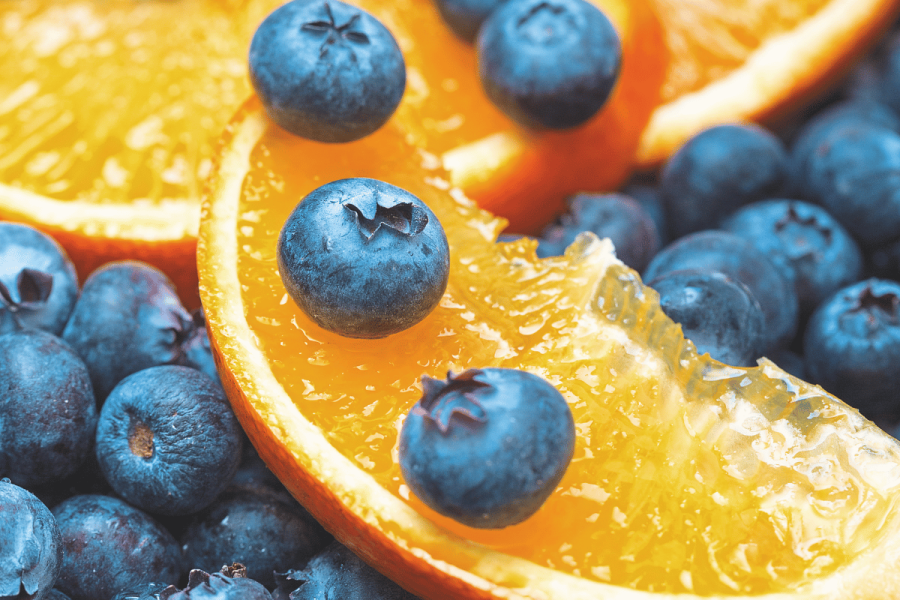
CITRUS FRUITS – A study of more than 32,000 women found that higher citrus intake was linked to a 20 per cent lower risk of developing depression, even after accounting for diet quality, BMI, smoking, activity, income and total calorie intake. Interestingly, this effect was unique to citrus fruits, given their unique impact on the gut microbiome – total fruit intake didn’t show the same association.
BLUEBERRIES – Rich in polyphenols, blueberries can boost blood flow to the brain, supporting memory and flexible thinking. That makes them a particularly beneficial snack before a big meeting or exam. Their polyphenols have also been linked to better cognitive function as we age – supporting both short- and long-term brain health.
Dr Williamson’s tips for keeping your gut happy
1. Support your gut microbiome with anti-inflammatory foods Your gut microbes play a central role in calming inflammation and regulating the gut-brain axis. Nourish them with a wide variety of plant foods and anti-inflammatory options such as omega-3-rich fish, colourful berries (frozen are fine) and virgin olive oil. Identifying and reducing personal trigger foods, for example through a low-FODMAP approach, may also help.
2. Manage stress through the gut–brain axis Stress has a profound effect on gut movement, inflammation and bacteria. Calming practices such as breathwork, yoga, mindful movement or anything that genuinely helps you unwind can stimulate the vagus nerve and support digestion. Sleep and emotional wellbeing matter just as much as food choices.
3. Choose soluble fibre to soothe your gut Gentle, soluble fibres support regularity without aggravating symptoms. Good choices include oats, barley, rye, lentils, soya beans, carrots, potatoes, bananas and peeled apples.
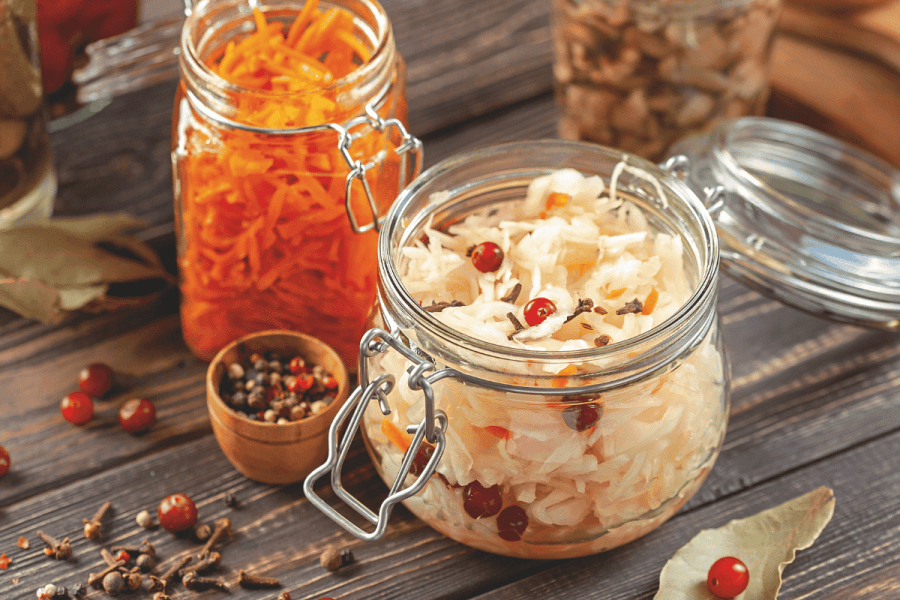
4. Introduce fermented foods Small amounts of fermented foods can increase beneficial bacteria and boost butyrate, a key anti-inflammatory compound. Start low, go slow and allow your microbiome time to adjust.
5. Prioritise hydration and reduce irritants Aim for around two litres of water a day and limit artificial sweeteners and foods high in free sugars, which can worsen gut irritation and disrupt the microbiome.
6. Choose traditional sourdough Slow-fermented sourdough made with flour, water and salt is easier to digest, naturally lower in gluten and far kinder to your gut than mass-produced bread.
7. Limit ultra-processed foods Highly processed foods and artificial sweeteners can disrupt your gut microbiome and increase inflammation. A good rule of thumb is to choose foods with ingredients you recognise.
8. Protect your sleep window Your gut microbiome benefits enormously from consistent, quality rest. A simple overnight fast – for example, not eating between 10pm and 8am – gives your digestive system valuable time to reset, rebalance and repair, supporting overall gut health.