


Dr Tim Beanland from Alzheimer’s Society shares his advice on staying sharp and reducing your risk of developing dementia.
Words: Dr Tim Beanland. Images: Shutterstock.
Dementia describes a set of symptoms that develop when diseases damage the brain. It is progressive, meaning the symptoms often begin subtly but become more pronounced over time and cause challenges with everyday tasks.
Memory loss, language difficulties, confusion and personality changes can all develop as the condition progresses. Around one million people in the UK are currently living with dementia.
This number is expected to reach 1.4 million by 2040, and dementia is now the leading cause of death in the UK. Although ageing and certain genes play a major role in determining risk, research increasingly shows that lifestyle choices can make a meaningful difference. Ideally, healthy brain habits should begin in midlife, but positive changes at any age can still have benefits.
Reduce your risk
No single behaviour is guaranteed to prevent dementia, but evidence suggests there are several lifestyle approaches that can genuinely help to reduce your risk.

1. Keep physically active
Regular physical activity is one of the most effective ways to reduce dementia risk. It supports heart health, improves circulation, regulates weight and helps manage stress. All these factors benefit the health of your brain.
There are two key types of activity to include in your routine:
• Aerobic activity: walking briskly, swimming, dancing, cycling or taking part in fitness classes will help improve cardiovascular health. Better blood flow supports healthier brain function.
• Strength-building activity: maintaining muscle mass becomes increasingly important with age. Strength training can involve weights, resistance bands, Pilates or body-weight exercises. Stronger muscles support metabolic health and help maintain balance and mobility, which are linked with better overall health as you age.
A combination of both appears most beneficial. Even small increases in movement can make a difference: start with gentle daily walks, short home workouts or light strength exercises.
2. Stay socially connected
Mental health has a significant influence on brain health. Research suggests untreated depression may be associated with an increased risk of developing dementia. Persistent low mood, anxiety or irritability should never be ignored.
Talking to a GP or reaching out to a mental-health organisation such as Mind can be an important first step. Social connection also plays a powerful role. Loneliness and ongoing isolation can raise dementia risk, while regular social interaction seems to have a protective effect.
Spending time with others helps reduce stress, supports emotional wellbeing and provides mental stimulation. This can be as simple as chatting with neighbours, keeping in touch with friends, joining clubs or groups, or volunteering.
3. Look after your vision and hearing
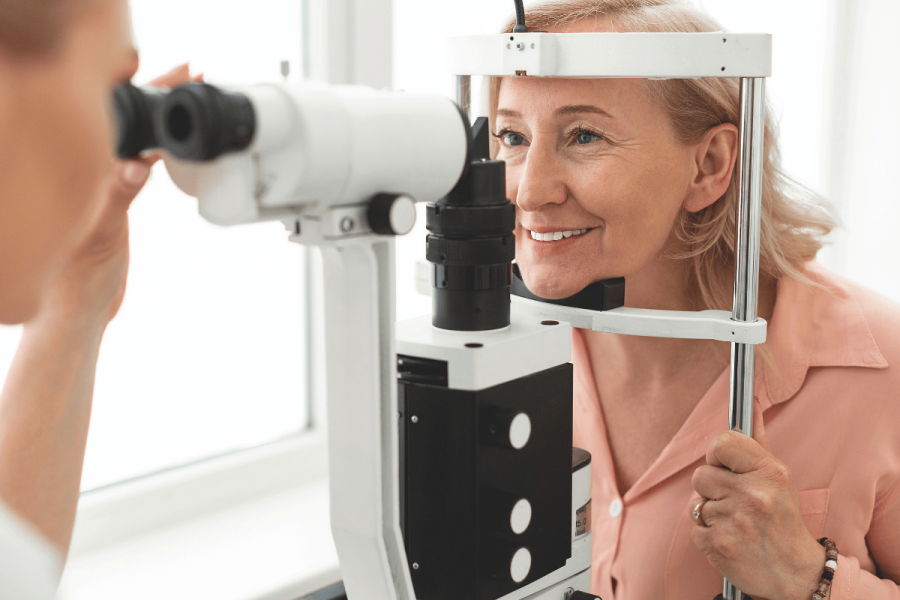
Many people begin to lose hearing or develop changes in vision as they age. These changes can be so gradual that they go unnoticed for a long time. Growing evidence suggests that untreated sensory loss may raise dementia risk, although the reasons are not fully understood.
Possible explanations include reduced brain stimulation, increased social withdrawal, or the mental strain of trying to interpret unclear sights or sounds. The easiest protective step is staying up to date with routine checks. Regular eye tests and hearing assessments through high street opticians can help identify problems early.
If you are given glasses or hearing aids, using them consistently can reduce cognitive strain and improve quality of life. Addressing sensory loss also supports better communication and social engagement.
4. Protect your head from injury
Traumatic brain injuries are caused by a sudden blow or jolt to the head, and at worst result in a loss of consciousness. These injuries can trigger biological processes in the brain that may increase dementia risk later in life. While not all accidents can be prevented, you can reduce risk by using appropriate protective equipment.
Wear a helmet when cycling or horse riding and use protective headgear when working in environments where falling objects or slips are more likely, such as building sites or at-home DIY. Small safety steps can help prevent injuries that might have long-term consequences.

5. Limit alcohol and stop smoking
Being mindful of alcohol intake is an important part of supporting long-term brain health. Alcohol affects the brain directly and drinking too much, especially in one sitting, exposes it to high levels of harmful chemicals. Over time, heavy drinking can cause lasting damage that may increase dementia risk.
Try to stay within the recommended limit of no more than 14 units per week, spread across several days, and include regular alcohol-free days. If you tend to exceed this, gradually cutting back can reduce harm to both your brain and your overall wellbeing. Stopping smoking is another key step in lowering dementia risk.
Strong evidence shows that smoking, whether in midlife or later life, increases the likelihood of developing the condition. Smoking puts extra strain on the heart and blood vessels, which is linked to both Alzheimer’s disease and vascular dementia. Toxins in cigarette smoke also trigger inflammation and cellular stress, which may contribute to Alzheimer’s disease.

6. Take charge of your longevity
As you get older, you are more likely to develop conditions such as high blood pressure, high cholesterol, diabetes or obesity. These conditions can damage blood vessels in the brain and increase dementia risk.
Maintaining a balanced diet is an important part of this, since eating well can help regulate weight, support healthy blood sugar levels, and reduce the likelihood of developing obesity and type 2 diabetes.
Early detection and management of long-term conditions can make a significant difference. One helpful tool is the NHS Health Check, available for free from age 40. It assesses your blood pressure, cholesterol, weight and other key indicators. Your GP may invite you for one or you can arrange it yourself if you are eligible. Understanding your health risks allows you to take preventative action.

Does “brain training” work?
Puzzles and brain training apps are widely promoted as ways to keep thinking skills sharp. While they can improve performance on the specific tasks they train, there is no strong evidence that they reduce dementia risk.
The idea comes from the belief that mentally challenging activities strengthen the brain. There is some truth to this: people who engage in lifelong learning, complex work or mentally stimulating hobbies tend to develop what researchers call “cognitive reserve”, which may help protect against decline related to ageing and disease.
Brain training alone cannot prevent dementia, but it can be part of a stimulating and enjoyable lifestyle that supports daily functioning. Taking a broader approach to mental activity, such as cultivating varied interests and learning new skills, appears more beneficial than focusing on narrow training exercises.
While dementia cannot always be prevented, building healthy habits can substantially reduce your risk. Think of brain health as part of a holistic lifestyle – one that includes movement, social connection, emotional wellbeing and overall physical health. It’s never too late to start making changes that support a healthier, sharper, more resilient brain.
Forget Me Not Appeal
This June, Alzheimer’s Society is encouraging the nation to wear a Forget Me Not badge, to stand with the thousands affected by dementia. Donate now at alzheimers.org.uk/forgetmenotappeal to receive your badge.
Dr Tim Beanland is the head of knowledge and learning at Alzheimer’s Society. He has a PhD in evolutionary biology and is the author of The Brain Health Puzzle Book (£11.99, Penguin).