

Sleep is hugely important not only for your internal health but for looking your best on the outside, too. Lack of quality slumber can lead to premature ageing, acne and even wrinkles – stay looking your best at every age and stage with the following expert advice
Words: Katy Sunnassee | Images: Shutterstock and various brands
You’ll know the effects a night of poor sleep can have on your energy, mood and focus, and that lack of slumber can also impact your skin’s health and appearance. ‘Sleep is vital for skin health as it’s the time when skin undergoes natural regeneration and repair. It’s also a time of increased blood flow, which means essential nutrients and oxygen are delivered,’ says consultant dermatologist Dr Aiza Jamil (skinclinics.co.uk). ‘Sleep significantly boosts collagen synthesis as well as helping your skin maintain hydration.Quality sleep helps maintain skin hydration and barrier function, and so sleep-deprived skin can lose moisture, which not only leads to dryness but also puts the skin barrier at risk, leaving it vulnerable to infection,’ she explains.
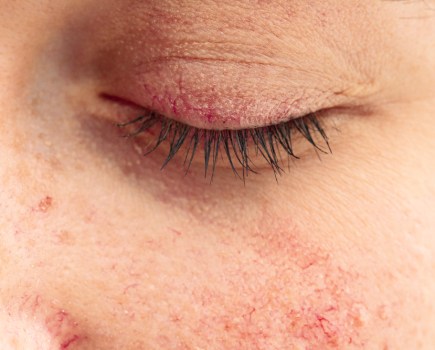
‘Many people also notice dark circles and puffiness after a disturbed or sleepless night, which is due to the fact that fluid levels rebalance during sleep and circulation improves. When this is impaired, blood vessels under the eyes are more likely to dilate, resulting in dark circles and puffiness,’ she adds.
Sleep also regulates hormones, helping to keep inflammation at bay. ‘Lack of sleep disrupts your hormone balance, which can result in elevated cortisol, the stress hormone. This can lead to increased inflammation, which breaks down proteins and can result in increased dryness, eczema and acne. It also impacts collagen production, which is vital for skin firmness and elasticity. As a result, your complexion can show signs of premature ageing and impaired barrier function, and can appear dull and lacklustre,’ adds Dr Jamil, who says specific topicals and in-clinic treatments can really help repair and regenerate tired skin.
‘Look for formulas containing niacinamide and ceramides to help reduce inflammation and support the skin’s natural barrier. Vitamin C can also help collagen synthesis, while retinol, which is a form of vitamin A, stimulates collagen production and reduces degradation,’ she says.
‘In terms of clinical treatments, laser, microneedling and injectables are designed to stimulate collagen production and improve texture, helping to improve skin quality and reduce the appearance of fine lines, wrinkles and sagging skin.’
Harley Street skin and aesthetics expert, and independent nurse prescriber, Nina Prisk (update-aesthetics.co.uk), says: ‘Sleep plays a huge role in how your skin behaves. This is when the body focuses on repair, supporting cell turnover and collagen production while helping the skin barrier to recover from daily stress.’
When sleep is poor or inconsistent, inflammation, dullness and breakouts are more likely, due to high levels of cortisol, meaning skin doesn’t get the downtime it needs. ‘To support skin overnight, I always advise keeping routines simple but effective,’ she says. ‘Hydration is key, along with ingredients that support repair: think ceramides, hyaluronic acid or peptides. And outside of skincare, small habits matter too such as limiting screen time before bed, keeping sleep regular, and paying attention to what your skin comes into contact with while you sleep – try a silk pillowcase and remember to wash it regularly to prevent bacteria build up.’
On the inside
But it’s not only about what you put on your skin: what goes into your body, and your lifestyle and habits, all affect the look of your complexion, as you’d expect. For skin to repair itself, you need to ensure you are getting at least 7-8 hours sleep per night. This is sometimes easier said than done but, says Dr Louise Rix, clinical lead for women’s wellness platform Unfabled (unfabled.co), supplementing with magnesium is a great place to start. ‘Magnesium is useful for supporting relaxation and sleep,’ says Dr Rix. ‘Magnesium plays an important role in nervous system function and muscle relaxation, both of which are relevant to winding down and maintaining restful sleep. The mineral is involved in the regulation of neurotransmitters, including GABA, which is the brain’s primary inhibitory neurotransmitter that helps promote a calmer state,’ says Dr Rix.
‘Adequate magnesium status may also support melatonin production, the hormone that helps govern the sleep-wake cycle. Together, these mechanisms may contribute to improved sleep quality in some, particularly where magnesium intake is low.’
The form of magnesium you go for matters too, she says, as each one has distinct properties, some of which are more suited to supporting slumber. ‘Magnesium taurate combines magnesium with the amino acid taurine, which has been studied for its effects on the cardiovascular and nervous systems, and which is a go-to for those seeking a calming effect.
‘Magnesium glycinate is commonly used to support muscle relaxation and is often chosen for evening use, plus it’s well absorbed and generally gentle on the digestive system. While magnesium malate is involved in energy metabolism and muscle function, and may be helpful for people experiencing muscle discomfort, such as night twitches,’ says Dr Rix. ‘Vitamin B6 also plays a role in nervous system function and may support the body’s utilisation of magnesium,’ she explains.