
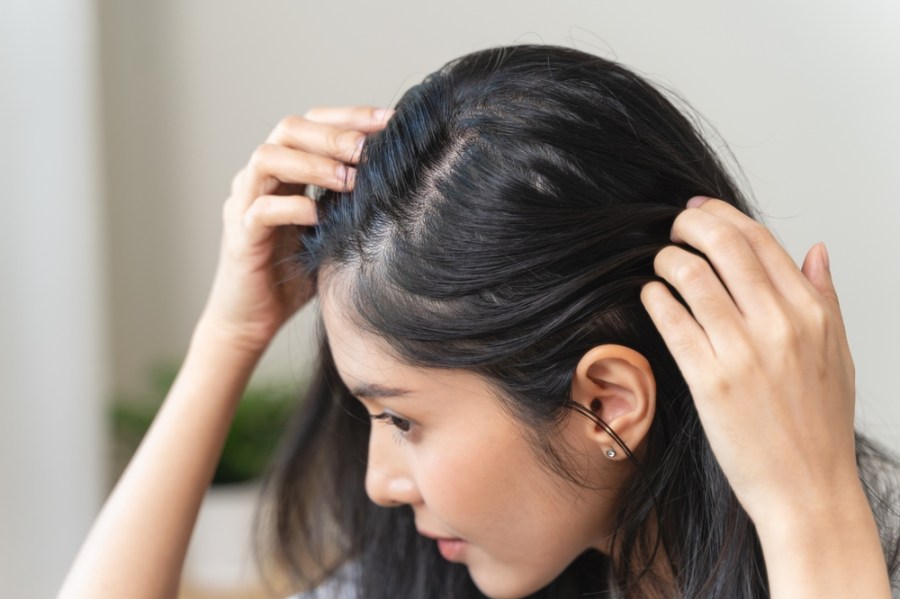
Beauty reporter Anna Dobbie speaks to consultant dermatologist, hair loss specialist and skincare brand founder Dr Ophelia Veraitch about her career path, why personalised treatment matters, and the dangers of one-size-fits-all solutions
Words: Anna Dobbie | Images: Shutterstock and OMJ Studio
Growing up, I always enjoyed science, but I didn’t want to spend my career working in a lab. Medicine appealed because it allowed me to combine science with helping people. It gave me the opportunity to solve complex problems while making a genuine difference to patients’ lives. Dermatology wasn’t something I planned, and it wasn’t until I completed a junior doctor rotation at Chelsea and Westminster Hospital that I realised what a varied speciality it is. One clinic could involve treating skin cancer, severe eczema, inflammatory skin conditions and hair disorders.
After graduating from Imperial College London, I completed a PhD at Keio University in Tokyo, where I researched stem cells and the regeneration of skin and hair and gained an extensive understanding of hair biology. I then travelled internationally to learn from leading specialists; seeing different approaches gave me a wider understanding of hair disorders and how they can be treated.
Hair loss has become a huge focus for me because it’s often misunderstood. The biggest misconception is that hair loss itself is the diagnosis. It isn’t. Hair loss is a symptom. There are many possible causes, including hormonal changes, nutritional deficiencies, medications, medical conditions and genetic factors. Until you understand why someone is losing their hair, it’s impossible to recommend the most appropriate treatment.
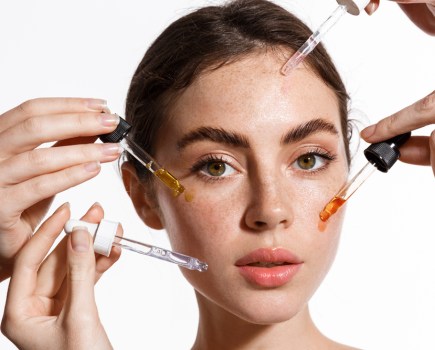
That’s why I don’t believe in one-size-fits-all solutions. Every patient requires an individual assessment and a personalised treatment plan. For some, that may include prescription medication, while others may need nutritional support, injectable treatments or changes to other medications. It depends entirely on the underlying cause. That philosophy also led me to develop my own skincare and haircare ranges. Rather than creating generic products, I wanted formulations that could be tailored to individual patients, bridging the gap between medical treatment and everyday skincare.
I’m worried about all the misinformation on social media surrounding hair loss. There are countless products and influencers promising miracle results, but hair biology is incredibly complex. Just because someone has a large following or a medical qualification doesn’t necessarily mean they’re an expert in hair disorders. I also think people underestimate how important it is to understand the medical factors behind hair loss. Hormones are a good example. Treatments such as HRT can affect hair in different ways. Hair loss often requires input from other specialists, including endocrinologists, gynaecologists or psychiatrists, because the bigger picture matters just as much as the scalp itself.
Hair loss can have a huge impact on confidence, relationships and mental wellbeing. Seeing someone regain not only their hair but also their self-esteem is highly satisfying. Going forward, I think personalised medicine will continue to transform hair loss treatment. While there is exciting research taking place, it’s important not to get carried away by headlines. New treatments need sound scientific evidence before we can confidently recommend them.
My mission is to provide gold-standard dermatology with genuinely evidence-based care. Whether someone comes to me with acne, rosacea, pigmentation or hair loss, everything begins with a proper medical diagnosis. I believe dermatologists should be leading many of these treatments because they require a detailed understanding of skin biology.
Dr Ophelia Veraitch can be found at her practice on Harley Street, London – visit drophelia.com.