
Retinol has long been a skincare staple, but peptides are recently gaining attention for their potential skin benefits. We asked the experts whether they’re worth the hype — and if it’s time to switch.
Images: Shutterstock
There was a time when retinol was hailed as the silver bullet of anti-aging skincare and cell renewal. According to search data for the last 12 months, however, peptides have taken over to become the most-searched skincare ingredient in the US.
But what is the difference between the two, and is it time to show retinol the door?
‘Retinol has long been considered one of the gold-standard ingredients in anti-aging skincare, and for good reason,’ says Dr Richard Devine, aesthetic doctor and founder of Devine Clinic.
In skincare, it helps to stimulate collagen production, improve fine lines and wrinkles, even out skin tone and improve overall skin texture.
‘As an aesthetic doctor,’ he continues, ‘It’s an ingredient I regularly recommend because, when used correctly, it can make a significant difference to the skin.’
Peptides can also help collagen production, as well as improving hydration and strengthening the skin barrier, says Devine.
‘The main advantage of peptides is that they’re generally gentler on the skin. Retinol can initially cause some dryness, redness or peeling, but this can often be managed by introducing it gradually and using the right formulation.’
Are peptides worth the hype?
Despite the current virality of peptides in skincare, Devine warns that it might not be time to toss the retinol just yet.
‘I think peptides deserve attention, but I wouldn’t go as far as saying they’re the new retinol,’ he says. ‘There’s some promising research behind certain peptides, particularly for improving hydration, fine lines and skin firmness, but the evidence isn’t as extensive or consistent as it is for retinoids.’
‘Retinol has a much stronger track record when it comes to addressing visible signs of ageing, particularly wrinkles, pigmentation and uneven texture. So if someone asked me which ingredient has the strongest evidence for anti-aging, I would still favor retinol.’
However, he points out that this doesn’t mean peptides are totally useless or just a passing trend, noting that they’re still useful – especially for people with sensitive skin or as a complement to an existing skincare routine.
‘I actually think the two can work very well together. It’s not necessarily about choosing one over the other,’ he adds.

How and when to use peptides
If you’re thinking of adding peptides into your regular skincare routine, you might be pleased to know there are generally fewer ‘rules’ than when it comes to retinol.
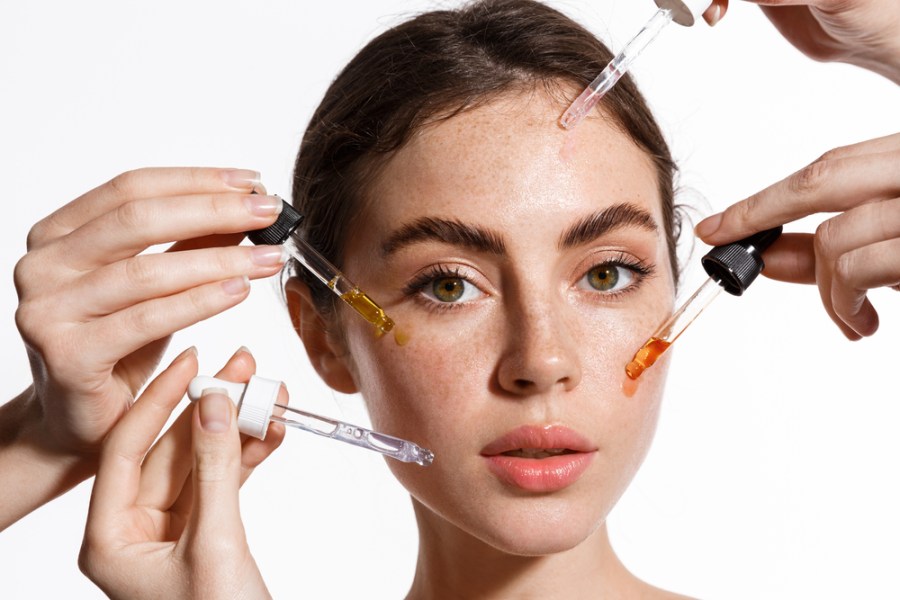
‘Peptides are relatively easy to incorporate into a skincare routine because most can be used morning and evening,’ says aesthetic nurse Caroline Hall, founder of R&R Aesthetics.
‘I would generally recommend applying a peptide serum after cleansing and before moisturizer, although it’s always worth following the instructions for the particular product.’
Peptides also generally don’t increase sensitivity to sunlight, unlike retinol, meaning there’s no need to avoid using them during the day. This isn’t your sign to ditch the sunscreen, though – it’s an essential part of any skincare routine if you’re serious about preventing premature aging.
Hall recommends doing the following if you want to incorporate peptides into your skincare routine: ‘In the morning, you could cleanse, apply your peptide serum, follow with moisturizer and finish with a broad-spectrum SPF 30 or higher. At night, you can use peptides again after cleansing, either on their own or alongside other suitable skincare ingredients.’
She also notes that peptides can be used alongside retinol – though if you have sensitive skin, you may prefer to use peptides in the morning and retinol at night to avoid irritation.
What to look for on peptide product labels
If you’re thinking of adding peptides into your skincare routine but aren’t sure what to look for when shopping for products, Hall has some advice.
‘One of the biggest mistakes people make is assuming that any product labeled ‘peptide’ will deliver the same results. There are lots of different peptides, and they don’t all work in the same way,’ she says.
‘I’d look for recognized ingredients such as palmitoyl tripeptide-1, palmitoyl tetrapeptide-7 and copper tripeptide-1, which have been studied for their potential skin benefits.
‘For peptides, a well-formulated serum containing ingredients such as hyaluronic acid or ceramides can be particularly beneficial. I’d also be cautious of products promising Botox-like results, as no topical skincare product can replicate the effects of injectable Botox.’
Like Devine, Hall also emphasizes that both peptides and retinol have their strengths – and can even complement each other.
‘Ultimately, it’s about choosing the right ingredients for your skin rather than following whichever skincare trend is getting the most attention.’
Our top peptide picks
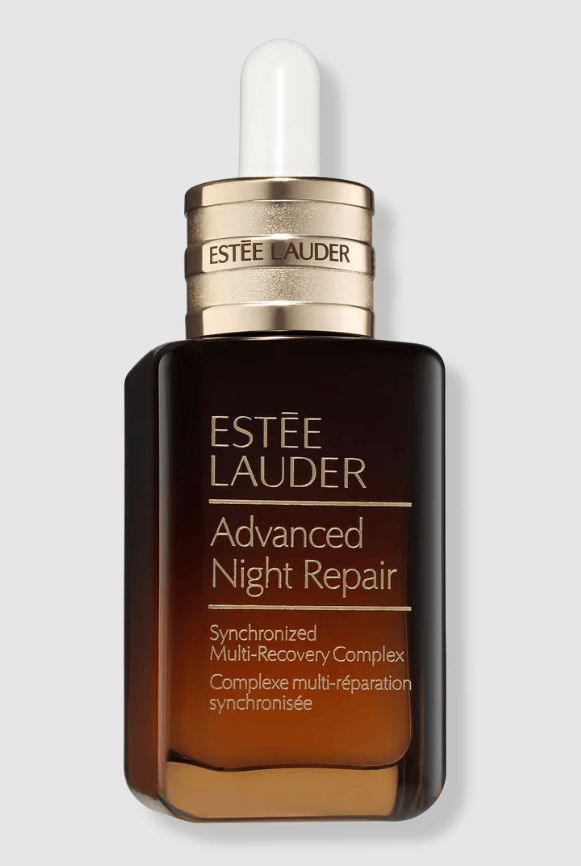
Advanced Night Repair Multi-Recovery Complex Serum with Hyaluronic Acid & Peptides ($88, Ulta Beauty)
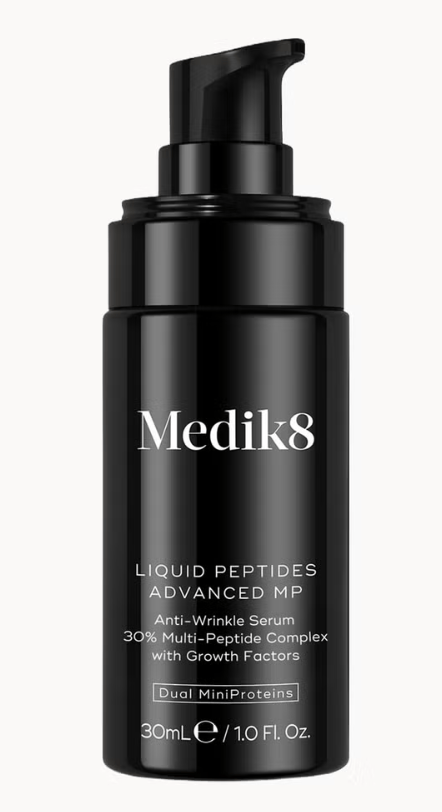
Medik8 Liquid Peptides Advanced MP 30ml ($95, Dermstore)
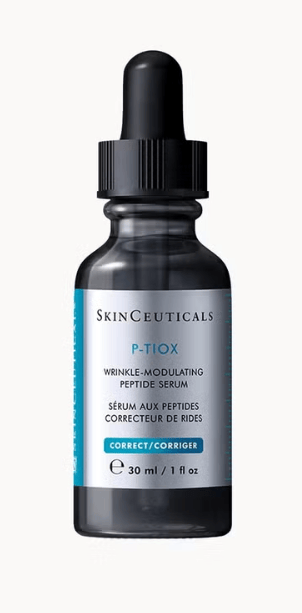
SkinCeuticals P-TIOX Wrinkle-modulating Peptide Serum ($150, BlueMercury)
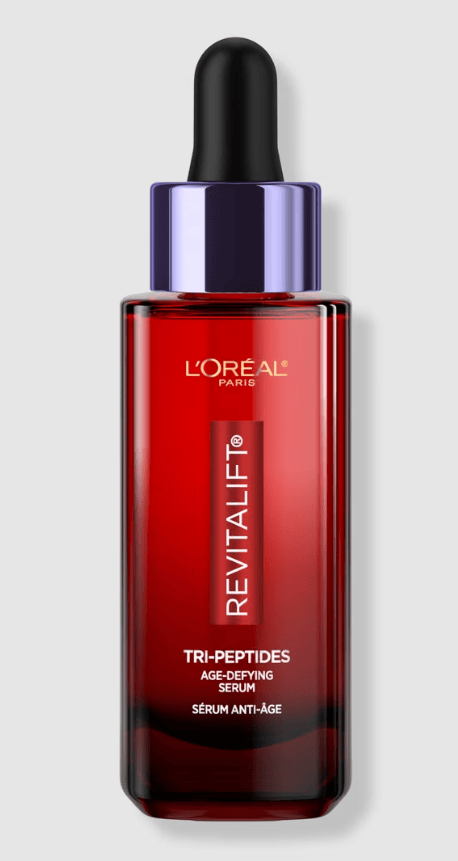
L’Oréal Paris Revitalift Triple Power Age-Defying Serum ($24.99, Ulta Beauty)