
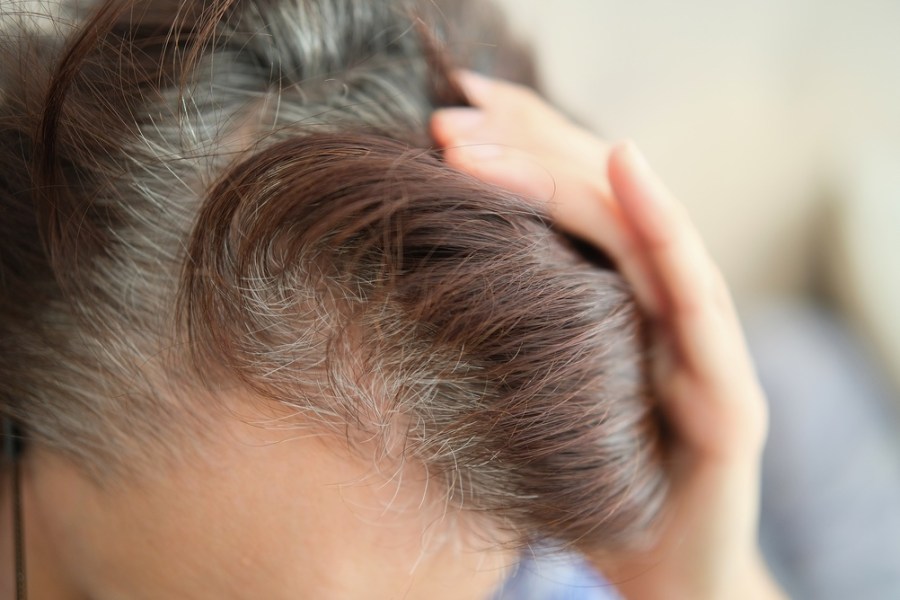
Aesthetics reporter Anna Dobbie looks at why thinning locks can become more prevalent during menopause and the treatments that can bolster your barnet
Words: Anna Dobbie | Images: Shutterstock
Are you noticing more hair coming out in your brush? Is your parting getting wider, or is your ponytail feeling thinner? Hair loss is one of the most common and distressing symptoms women experience during menopause.
Hair is closely tied to confidence and identity, so thinning during menopause can take a real emotional toll. It may begin gradually, with more scalp showing under bright lights or extra strands collecting in the shower drain. For others, shedding seems to increase due to stress, illness or weight loss.
While menopausal hair thinning is incredibly common, experts say it shouldn’t simply be dismissed as an unavoidable part of ageing. ‘Hair loss is not trivial,’ says longevity lifestyle expert Dr Alka Patel. ‘If thinning hair is making you avoid photos, change your social plans or feel less like yourself, that is a valid reason to seek advice early.’
The good news is that thinning can improve with the right combination of medical support, nutrition, scalp care and lifestyle changes.
So why can menopause affect your hair? Hormonal changes are among the biggest reasons. During menopause, oestrogen levels fall, directly affecting the hair growth process. ‘Menopause can make hair shed sooner and grow back finer,’ explains Dr Patel.
Hair naturally grows in cycles. Oestrogen helps keep strands in the active growth phase for longer. ‘When oestrogen declines, hairs can move more quickly into the shedding phase and spend less time actively growing,’ says aesthetics specialist Dr Ahmed El Muntasar.
At the same time, the balance between female hormones and androgens changes, as some testosterone turns into DHT, which stands for dihydrotestosterone. ‘DHT can shrink sensitive follicles. When that happens, the hair does not always vanish straight away; it often comes back thinner, softer and weaker, which explains why many women notice a widening parting, thinning at the crown and a less dense ponytail during menopause.’
But menopause is usually only part of the picture. ‘The reality is there is rarely just one cause,’ says Dr El Muntasar. ‘Menopause may be the trigger, but stress, nutrition, genetics and general health often play a part too.’
Nutritional deficiencies
Stress is a major factor. Raised cortisol levels can push follicles into the shedding phase, sometimes months after a stressful event. ‘Hair loss can be your body’s belated response to months of overload,’ says Dr Patel.
Rapid weight loss, restrictive dieting and nutritional deficiencies can also worsen thinning. Iron, protein, zinc, vitamin D, and omega-3 fats are all important for healthy hair growth.
‘Hair is made largely from protein, so very low-protein diets or crash dieting can definitely worsen shedding,’ says Dr El Muntasar.
Dr Patel says many women underestimate the importance of nutrient digestion. ‘The follicle responds to what you absorb, circulate, deliver and need,’ she explains.
She is also seeing more hair loss associated with weight-loss injections. ‘Rapid weight loss can be good for the waistline, but stressful for the hair follicle if protein and nutrients are not protected,’ she says.
While gradual thinning across the crown is common, sudden or patchy hair loss should always be looked into. ‘The pattern tells the story,’ says Dr Patel. ‘Widening parting, handfuls of shedding and patchy loss all point to different biology.’
Stress-related hair loss, known as telogen effluvium, often causes sudden shedding across the scalp after illness, grief or exhaustion, whereas patchy bald spots may indicate alopecia areata, which is an autoimmune condition.
‘If the scalp is inflamed, flaky, sore or irritated, I would also want to rule out an underlying scalp problem, rather than assuming it is purely hormonal,’ says Dr El Muntasar.
If hair loss is persistent or worsening, experts recommend speaking to a GP or dermatologist. ‘A widening parting is not something to panic about,’ says Dr Patel. ‘But it is something to pay attention to.’
Treatments to try
Hormone replacement therapy may improve hair health for some women, although it is not a guaranteed cure. ‘The follicle still needs fuel, oxygen and the right scalp environment,’ says Dr Patel.
For women whose hair loss is strongly linked to hormonal changes, HRT can sometimes reduce shedding by stabilising hormone levels and improving sleep and stress.
‘Better sleep, lower stress and more stable hormones can all help,’ says Dr El Muntasar. ‘However, HRT is not primarily a hair loss treatment, and results vary a lot.’
One of the best known evidence-based treatments is minoxidil, available as a topical liquid or foam. ‘Topical minoxidil can help prolong the hair growth phase and improve density over time,’ says Dr El Muntasar, who adds that you need to use it consistently for at least 3-6 months before judging results.’
Kam Dogan, founder of The PRP Lab, says newer regenerative approaches are becoming increasingly popular. Platelet rich plasma, or PRP for short, is a regenerative treatment that uses a concentrated portion of your own white blood cells, rich in growth factors and platelets, to stimulate tissue repair and collagen production. In aesthetics, it’s used for both skin rejuvenation as well as on the scalp for hair growth.
‘We have recently launched advanced PRP and autologous exosomes using Meta Cell Technology, and the results have been revolutionary,’ he says. Exosomes are tiny cell-signalling vesicles that contain proteins, growth factors and molecular messengers to help cells communicate and regenerate. Autologous simply means “from your own body”, so the risk of rejection or allergic reaction is considered very low.
And then there’s red light therapy. Dr Patel is particularly interested in this. ‘Hair follicles are tiny energy factories,’ she says. ‘If you want growth, you have to support the power supply.’
Red-light devices are becoming increasingly popular too, including caps and helmets that can be worn at home, plus in-clinic whole-body red light beds.
Still, experts agree there is no one-size-fits-all solution. ‘The best treatment plan is the one matched to the cause, rather than chasing trends online,’ says Dr El Muntasar.
Scalp care matters
We know what it’s like to wash your hair if you’re concerned about it thinning; each wash seems to remove even more hair, so you end up going longer between washes. But this can be counter-productive. If your scalp gets clogged up with debris, this only adds to the problem as hair shafts can’t grow through. ‘Scalp health is extremely underrated,’ says Dogan. ‘Allowing oil, dirt and debris to build up on the scalp is a good way to clog up the follicles,’ he says. ‘Think of scalp care as skin care,’ adds Dr Patel. ‘The scalp has its own barrier, microbiome, blood supply and inflammatory tone.’
There are plenty of scalp scrubs, hair growth serums and oils now available, although if you have very fine hair, it’s advisable not to leave thick oils on for extended periods, i.e. overnight, as these can weigh hair down and clog the scalp. Aim to put conditioning products on the lengths only, and save lightweight sprays and serums for your scalp. And aim to wash every 1-2 days.
In summary, acting early is important because preserving existing follicles is often easier than reversing long-standing thinning. ‘The earlier you act, the more follicle future you protect,’ says Dr Patel.
If you notice increased shedding, a widening parting or a visible scalp, it is worth speaking to your GP or a qualified specialist. Blood tests can help identify treatable issues such as low iron, thyroid dysfunction, vitamin deficiencies or hormonal imbalance.
‘If your hair is falling out faster than you can explain, investigate before you self-treat,’ adds Dr Patel. ‘Regrowth is the reward for acting early.’
Do supplements work?
Hair supplements are booming, but not every woman needs the same thing. ‘The best supplement is the one that replaces what you are missing,’ says Dr Alka Patel.
She recommends checking iron levels, vitamin D, B12 and zinc before investing in expensive products. ‘Biotin is marketed heavily, but true deficiency is uncommon,’ adds Dr El Muntasar.
5 topicals to try…
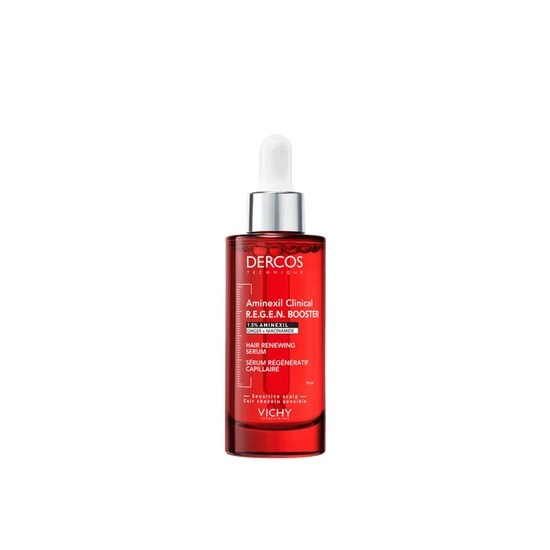
Vichy Dercos Aminexil Clinical R.E.G.E.N. Booster Hair Renewing Serum
Top Sante verdict
Formulated with aminexil, a molecule designed to help maintain the flexibility of the tissue surrounding the follicle, alongside niacinamide to aid scalp quality- Helps reduce hair fall while supporting visible regrowth
- Soothes the scalp and supports a more balanced scalp microbiome, so hair roots can thrive
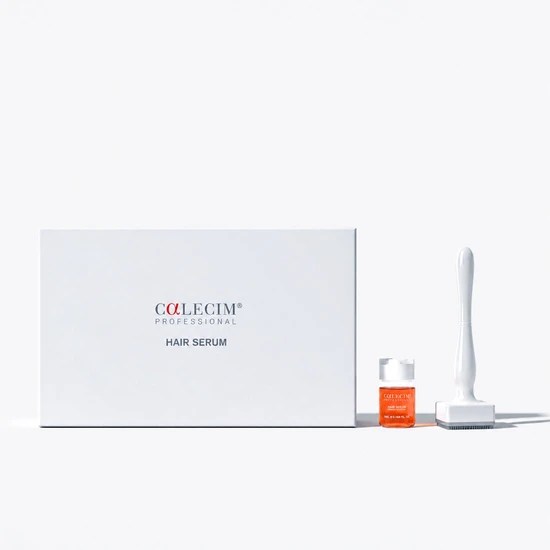
Calecim Professional Hair System
Top Sante verdict
Features PTT-6, a proprietary complex of stem cell-derived proteins, and is designed to be used with its at-home microneedling device- Helps support the appearance of fuller, healthier-looking hair
- Blends naturally derived growth factors, cytokines and proteins
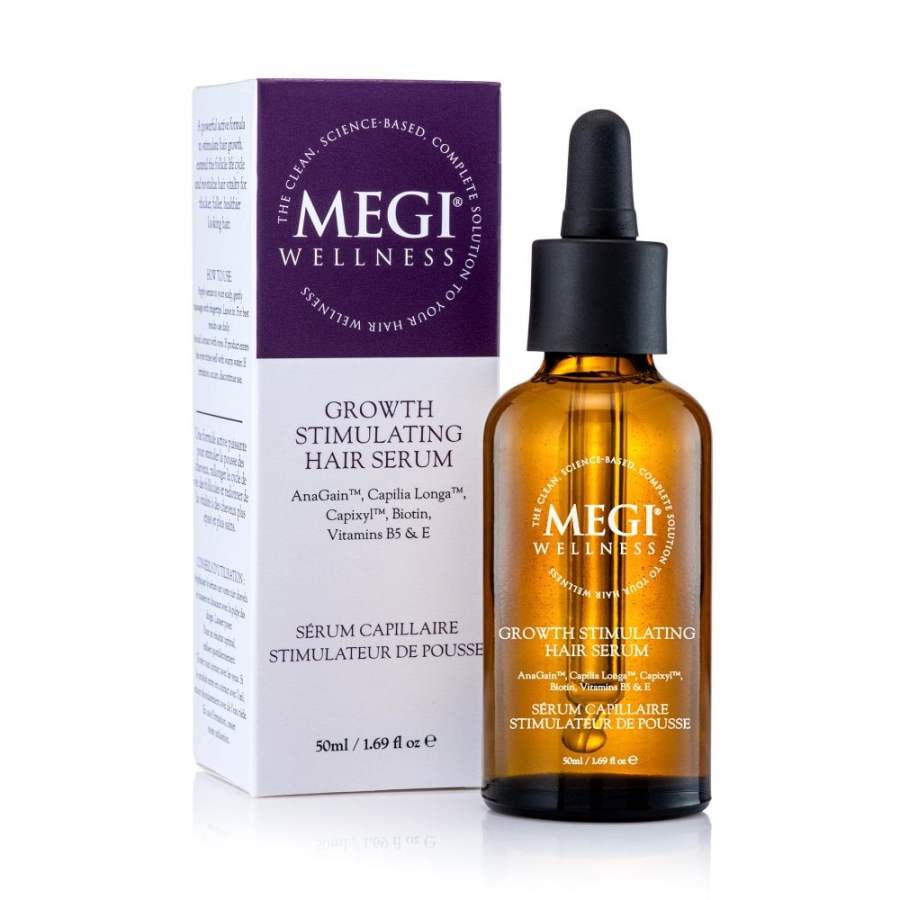
Megi Wellness Growth Stimulating Hair Serum
Top Sante verdict
Formulated with Capixyl™, Redensyl™, Procapil™, caffeine and pea sprout extract to reduce hair fall, extend the growth phase and stimulate follicles for thicker, healthier-looking hair- Safe for colour-treated hair
- A lightweight, oil-free, leave-in serum
- Reactivates your dormant hair follicles
- Strengthens thinning strands
- Promotes visibly fuller, healthier-looking hair
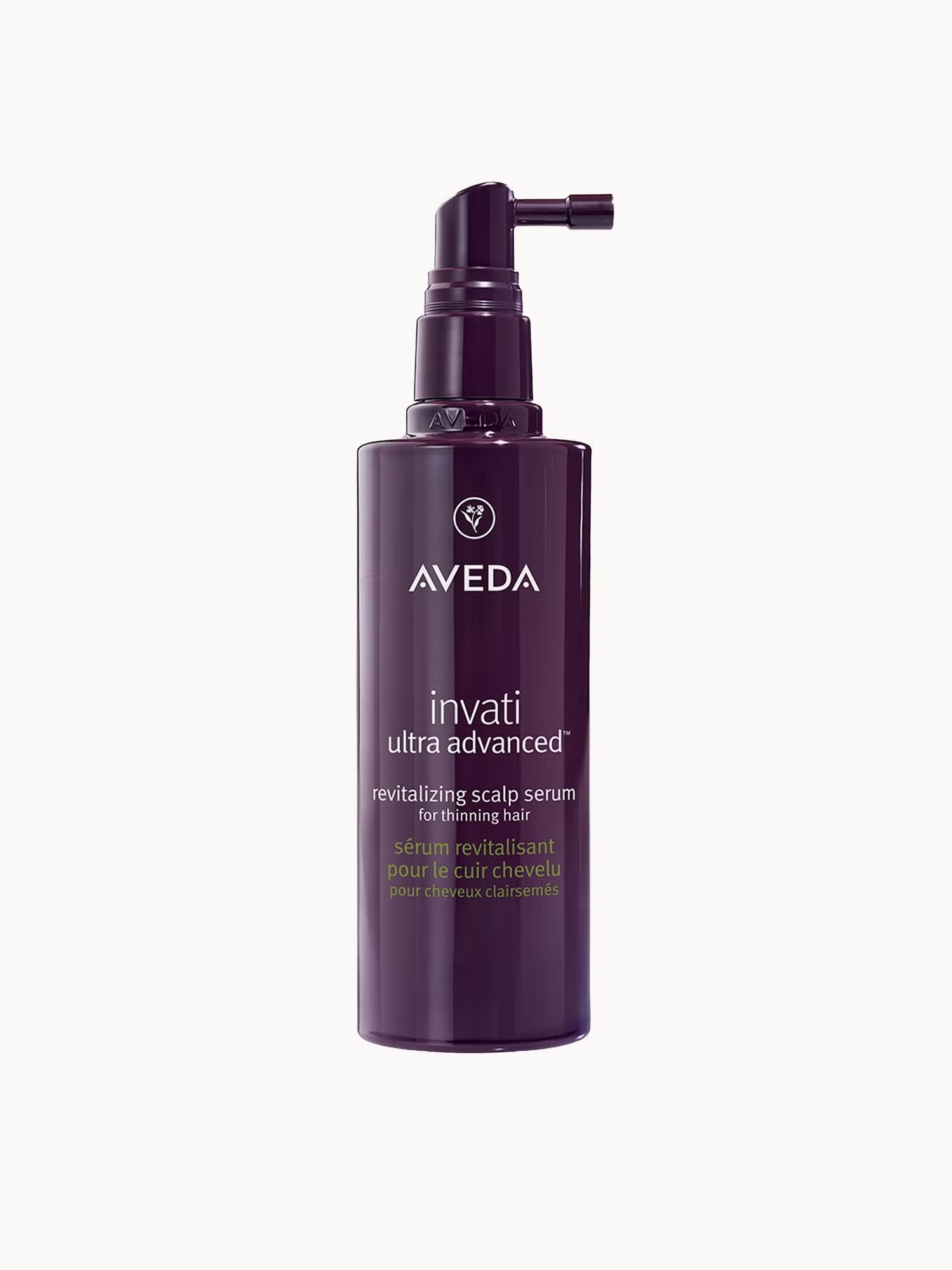
Aveda Invati Ultra Advanced Revitalizing Scalp Serum for Thinning Hair
Top Sante verdict
Another fairly lightweight product containing a blend of amla, ginseng and turmeric, plus niacinamide and peptides, to reduce hair loss from breakage, strengthen follicles and improve scalp health- Suitable for fine hair types
- Triple-active Vitality Complex minimises the look of breakage and hair fallout
- Features eclipta, alpinia, and ginger to neutralise oxidative stressors
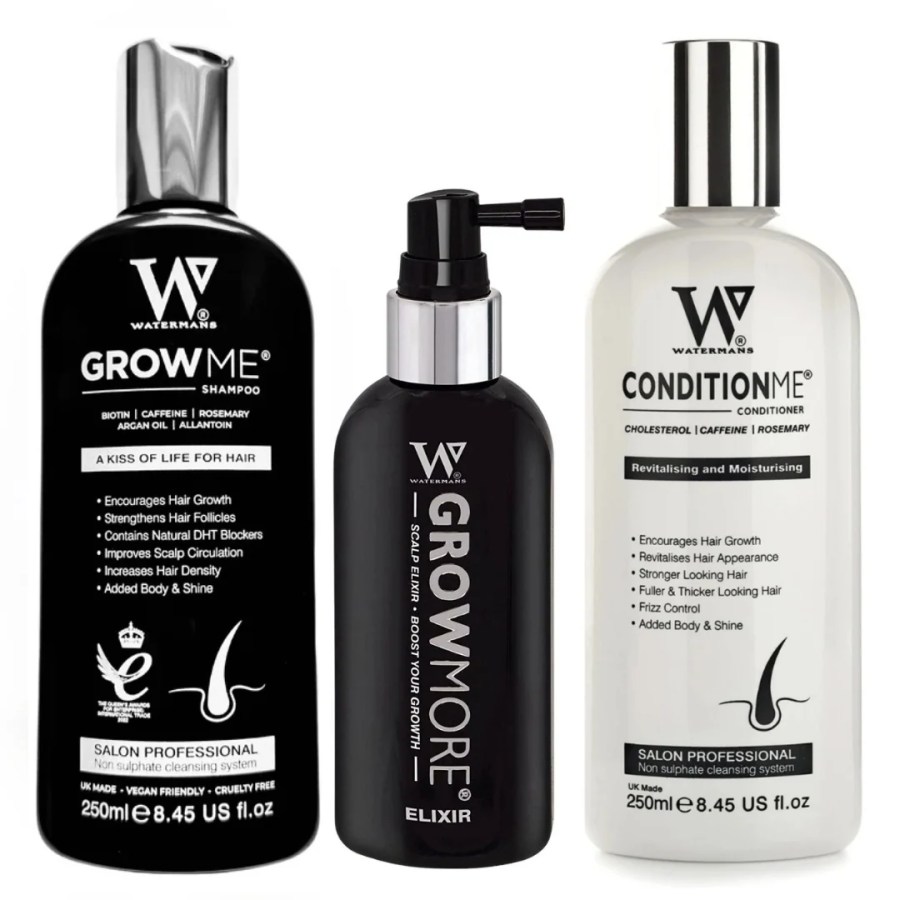
Watermans Grow Me® Growth Shampoo, Conditioner and Scalp Elixir Set
Top Sante verdict
A three-step system bringing together the best-selling hair growth shampoo, its matching conditioner and an overnight leave-in scalp elixir – a complete, sulphate-free UK routine- Best possible place to start growing thicker, stronger and healthier hair
- Revitalises and promotes natural hair growth
- Promotes a healthier scalp with deep cleaning