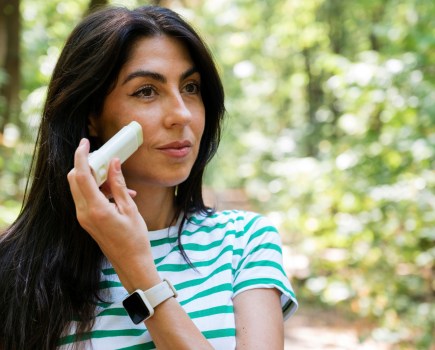


You’re probably putting more harsh chemicals on your skin than you’re realizing – which is why nearly two-thirds of women are now choosing to swap out their skincare for natural alternatives. From plant-based ingredients to plastic-free packaging, here’s how to get started on your own sustainable skincare routine
Words: Amy Dowrick | Images: Shutterstock
If you pride yourself on looking for a green ‘V’ or Peta bunny every time you shop for toiletries, don’t get too comfortable. Studies reveal that around 58% of products marketed explicitly as ‘natural’ still contain synthetics – and it’s not only damaging your skin.
Modern skincare products often contain harsh additives and synthetic ingredients that can have adverse effects on our skin, disrupting its natural microbiome and irritating the skin barrier. But opting for harmful ingredients without realizing can also have a negative impact on the environment too. So, how do you successfully turn your current routine into a natural one?
Why you should choose natural skincare
Opting for sustainable skincare and natural products creates a routine that combines genuinely effective products and clean ingredients with environmental responsibility. It’s the ultimate wellness combo!
Environmentally conscious products are also directly linked to improved skin health – so in eliminating toxic ingredients, you can nurture your skin while simultaneously supporting the planet. Sounds like a no brainer to me.
Low exposure to harsh chemicals
One of the biggest advantages of organic skincare is that its gentle. With fewer synthetic fragrances, parabens, and artificial colorants, there’s less risk of irritation, allergic reactions, or toxic buildup.
Organic products are formulated without these nasty bits. Without harsh chemicals that can potentially irritate the skin, you get a concoction of gentle botanical extracts, soothing herbal remedies, and mild natural preservatives that deliver just as effective results without compromising on your skin health.
Look out for plant-based oils, botanical extracts, and natural hydrators like squalane or aloe vera – these powerhouse ingredients deliver essential vitamins, antioxidants, and fatty acids to nourish our complexion.
Other nutrient-rich ingredients like jojoba, rosehip, and argan oil can also help lock in moisture, restoring balance while protecting the skin against environmental stressors.
Supports natural barrier function
Natural ingredients often share the same chemical compounds that are already present in our skin, so plant-based products are absorbed twice as effectively and offer deep nourishment while supporting the skin’s natural barrier function – without stripping away protective oils.
Keep an eye out for products that contain essential oils like rose, mint, and thyme – they provide aromatic benefits but also have immense soothing, refreshing, and purifying properties.
Environmental protection
Plant-based ingredients also have impressive environmental benefits. Because their formulations are on the natural side, products are typically readily biodegradable and renewable.
Avoiding products that contain synthetic pesticides, fertilizers, and plastic microbeads can stop toxic chemical runoff from entering our waterways, rivers and oceans – and any plastic-free, compostable or biodegradable packaging also poses significantly less risk.
Many natural brands also make an effort to minimize their carbon footprint. By prioritizing responsibly sourced ingredients, manufacturing standards and using delivery methods that exclusively require rail or road, consumers can trust that a product’s entire supply chain is sustainable, not just the product itself.

What to look for when buying sustainable skincare
While every product claims to be eco-friendly, it can feel like a real challenge to work out which brands are genuinely sustainable. To make it simple if you’re just getting started, prioritize a product’s ingredients and packaging design.
Ingredients
Natural cosmetics contain a lot of inorganic minerals, natural and organic plant extracts, and fermentation products from microorganisms, as well as substances derived from any of these. Here are some common ingredients to consider:
- Aloe vera – especially great for those with sensitive skin, aloe vera has antibacterial properties that helps heal the skin barrier
- Shea butter – used to relieve skin irritation such as eczema, rashes and burns, shea butter contains antioxidants to soothe skin inflammations
- Jojoba oil – our skin absorbs jojoba oil quickly because of its chemical structure, so it can balance our natural oils without clogging pores
- Coconut oil – has antiviral properties so can increase your skin’s barrier function while boosting moisture because of a high lipid content
- Seed oils – skin barrier-enhancing properties that help to retain moisture and protect your skin’s outer layer
- Tea tree oil – a naturally antibacterial oil that has antifungal and antimicrobial properties
Top tip: Keep an eye on the label and avoid buying products that contain synthetic substances derived from mineral oil or petrochemicals like phthalates or oxybenzone.
Packaging
Sustainable packaging has become much more innovative in recent years, and now not only focuses on plastic-free designs but also on minimizing the environmental impact throughout the entire production lifecycle. Keep an eye on packaging with:
- Biodegradable materials – plant-based packaging that naturally decomposes
- Refillable containers – to reduce single-use packaging waste
- Minimalist design – to help reduce overall material consumption
- Recycled content – packaging that is made from post-consumer recycled materials
- Carbon-neutral manufacturing – where the product manufacturing and supply-chain offsets production emissions
What is greenwashing?
Just as consumer demand for natural skincare has grown, more and more brands are now trying to join the wave – but it comes at a cost.
Many products labelled as ‘natural’, ‘bio’, ‘eco-friendly’ or ‘vegan’ don’t actually have formulations that reflect this – and while some may include a small amount of natural ingredients, they can still heavily rely on synthetic components.
To avoid this, buyers need to actively look at the product standards and brand certifications to ensure a product is genuinely sustainable. Key signs of greenwashing include:
- Vague claims – broad environmental statements without specific evidence
- Misleading imagery – nature-themed packaging and ‘green’ branding that has minimal actual sustainability
- Partial truths – messaging highlights one eco-friendly aspect but fails to acknowledge broader environmental impacts
- Unverified certifications – a lot of brands feature self-created ‘eco’ labels without independent validation, banking on a consumer not doing the research
- Buzzwords – overuse of terms like ‘natural’, ‘green’, or ‘eco-friendly’ that don’t actually have any backing behind them
Although it seems like a lot of effort, the most effective strategy to make sure your skincare products are genuinely sustainable is to simply research the brands thoroughly. Understanding their sustainability framework means that you can trust that your new favorite skincare brand is making a genuine, measurable environmental impact – and you can know with certainty what you’re putting on your skin.
5 to try…
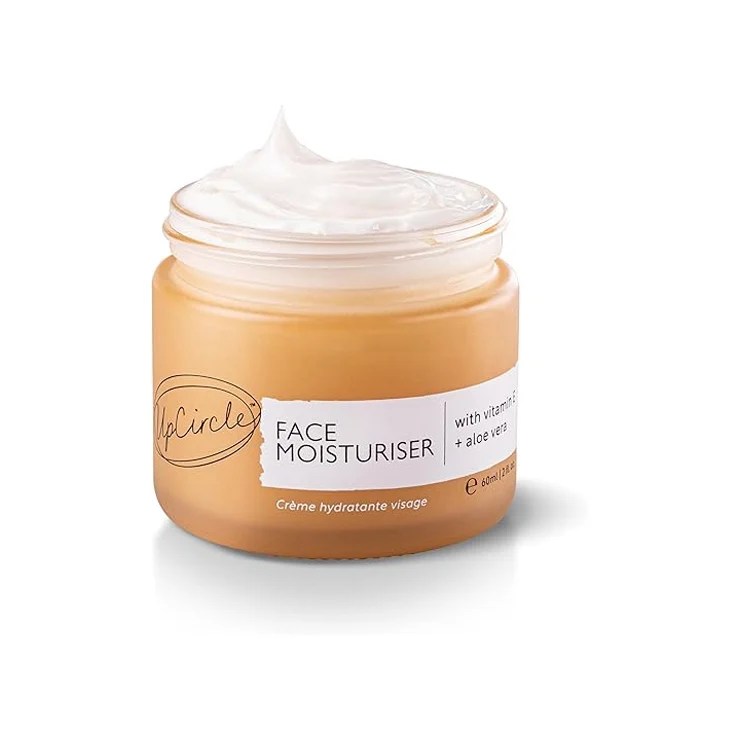
UpCircle Face Moisturizer with Vitamin E + Aloe Vera
Top Sante verdict
A natural day cream which is fast absorbing to nourish and brighten the skin. Made with the fine powder of discarded argan shells – a natural by-product of the argan oil industry and rich in Vitamin E- Natural and sustainable
- Cruelty free and vegan
- Repurposed ingredients
- Fighting waste
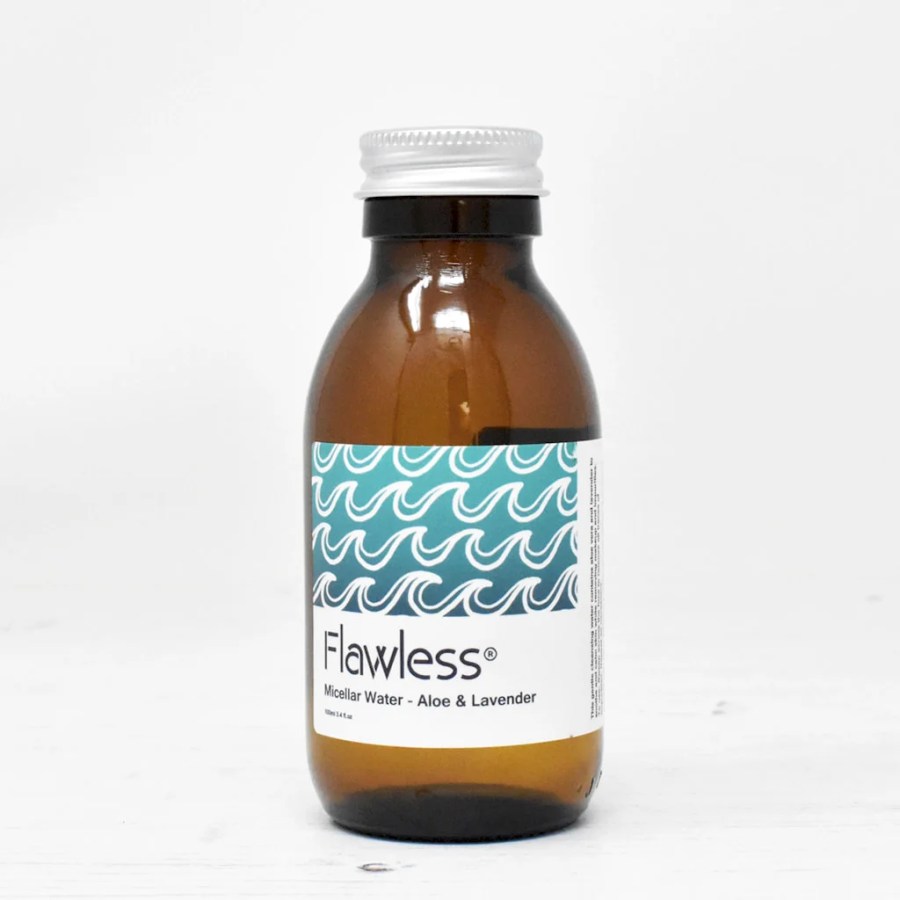
Flawless Aloe & Lavender Micellar Water Cleanser
Top Sante verdict
A gentle cleansing water that removes makeup and impurities while the added aloe vera and lavender both soothe and calm the skin- Blended with natural essential oils
- Vegan & cruelty free
- Palm Oil free
- Recyclable & reusable packaging
- Peta approved
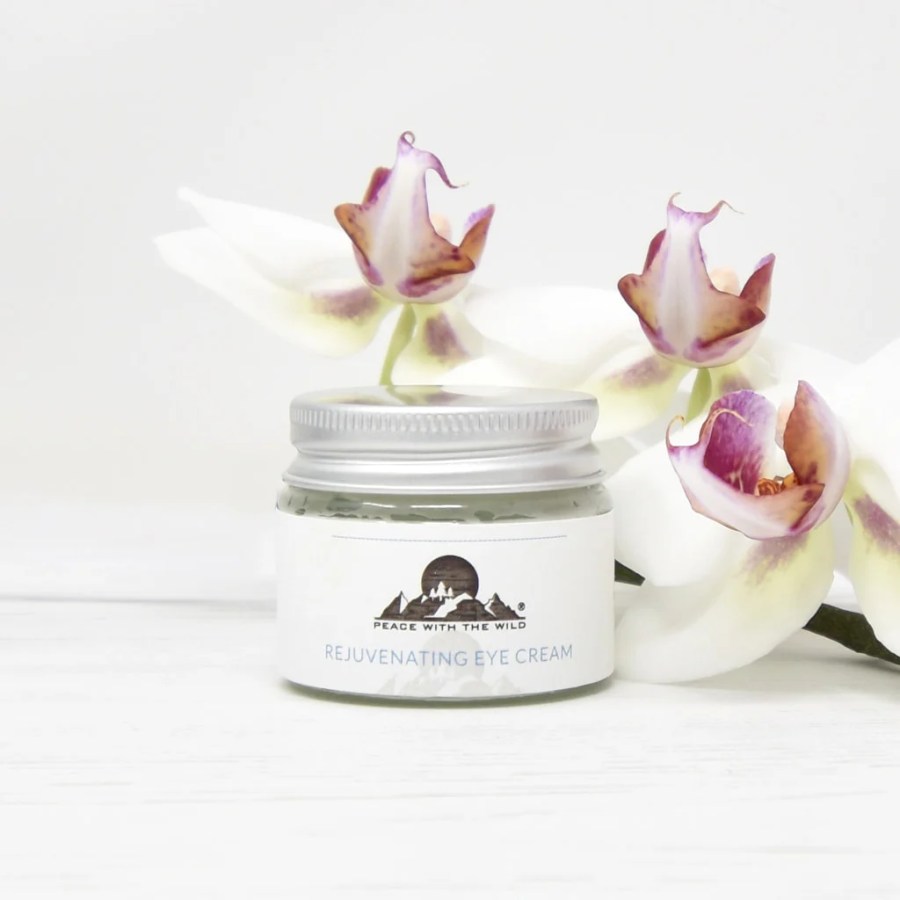
Peace With The Wild Organic Rejuvenating Eye Cream
Top Sante verdict
A highly concentrated eye cream that combats signs of tiredness, dark circles, and sagging skin, leading to a replenished appearance whilst helping to heal the skin from the inside out- 100% Pure organic & natural
- Vegan & cruelty free
- Free from synthetic fragrances & parabens
- Non-comedogenic
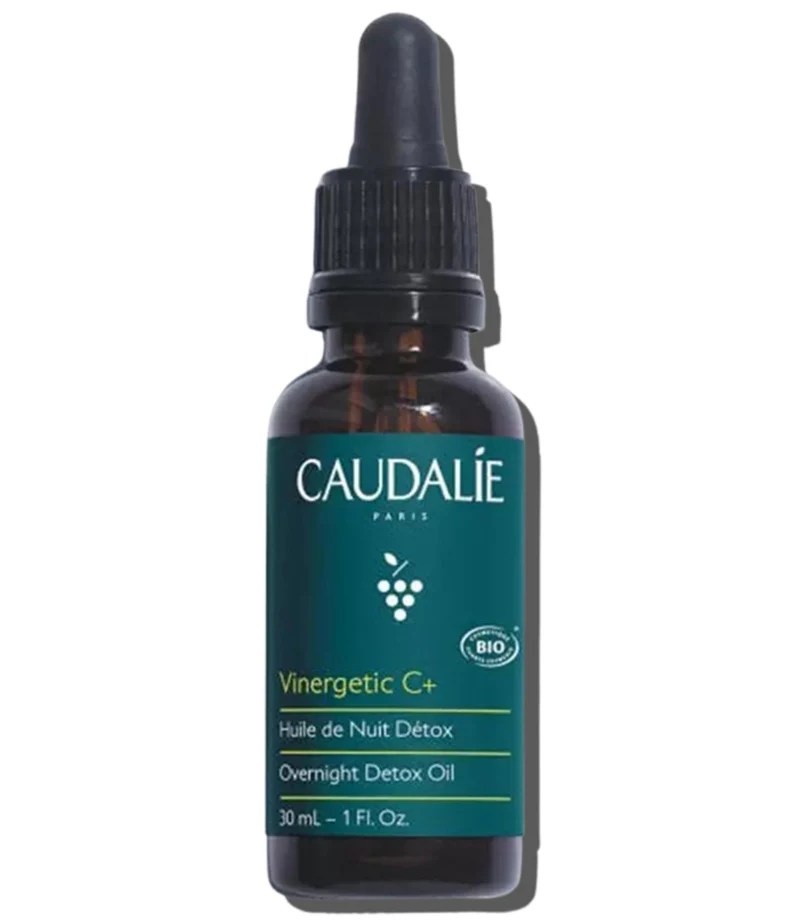
Caudalie Vinergetic C+ Overnight Detox Oil
Top Sante verdict
Enriched with 4 times stabilized vitamin C + to fully preserve its effectiveness over time, this oil helps regenerate stressed skin for a fresh-looking complexion by morning- Grape-seed oil: 100% natural nourishing antioxidant
- Sweet almond oil: Rich in Omega 6 and 9 and vitamins A, B, D and E
- Vegan friendly
- 96% saw their skin revitalized
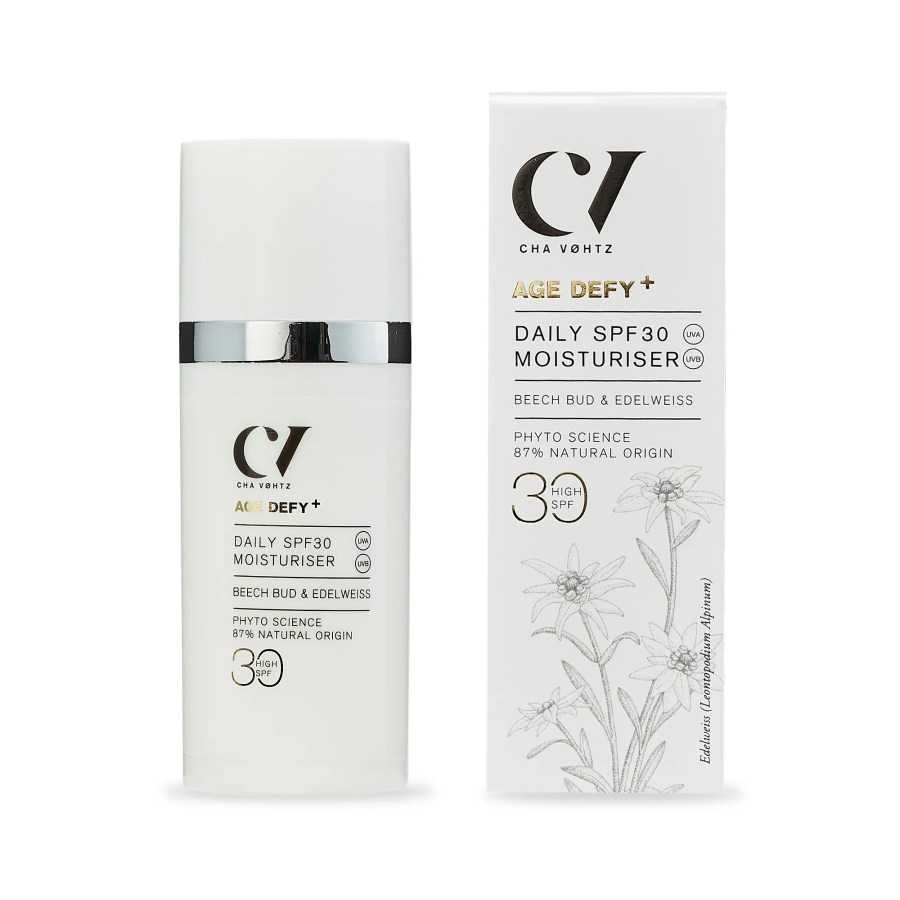
Green People Daily SPF30 Moisturizer
Top Sante verdict
Combining potent plant antioxidants with all-important SPF30, this sun defence facial moisturiser is the product everyone needs in their anti-ageing routine- Active Beech bud contains extremely rich energetic reserves to boost cell metabolism
- Antioxidant-rich Edelweiss offers powerful protection against free radical damage
- Nutrient-rich Aloe Vera naturally soothes and hydrates skin and hair
- Naturally reparative Rosehip is known for its tissue-regenerative properties