
From stubborn acne to sagging jowls, five skincare experts explain what may help at home, which in-clinic treatments are available and when it’s worth seeking professional advice.
Words: Katy Sunnassee. Images: Shutterstock.
Acne
EXPERT: Kate Monteith-Ross, skincare expert and founder of The Clinic by La Ross in Rochester, Kent.
CAUSE: Acne is primarily caused by the overproduction of sebum, which can clog pores, and the presence of bacteria on the skin. Factors such as hormonal changes, diet, sugar, stress and certain medications can also contribute to acne.
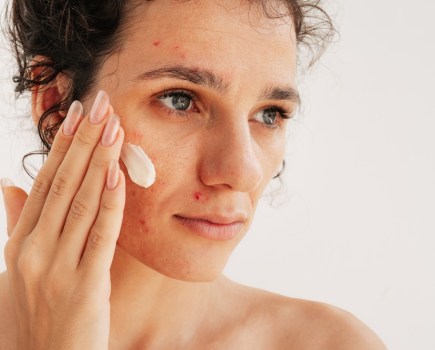
It typically displays itself as various forms of blemishes, including comedones (blackheads and whiteheads), papules, pustules and sometimes cysts, depending on the severity, and this can leave patients lacking in self-confidence and impact them socially. Acne can damage the skin barrier, leading to scarring, which can be incredibly difficult to treat and be distressing for patients.
Couch or clinic?
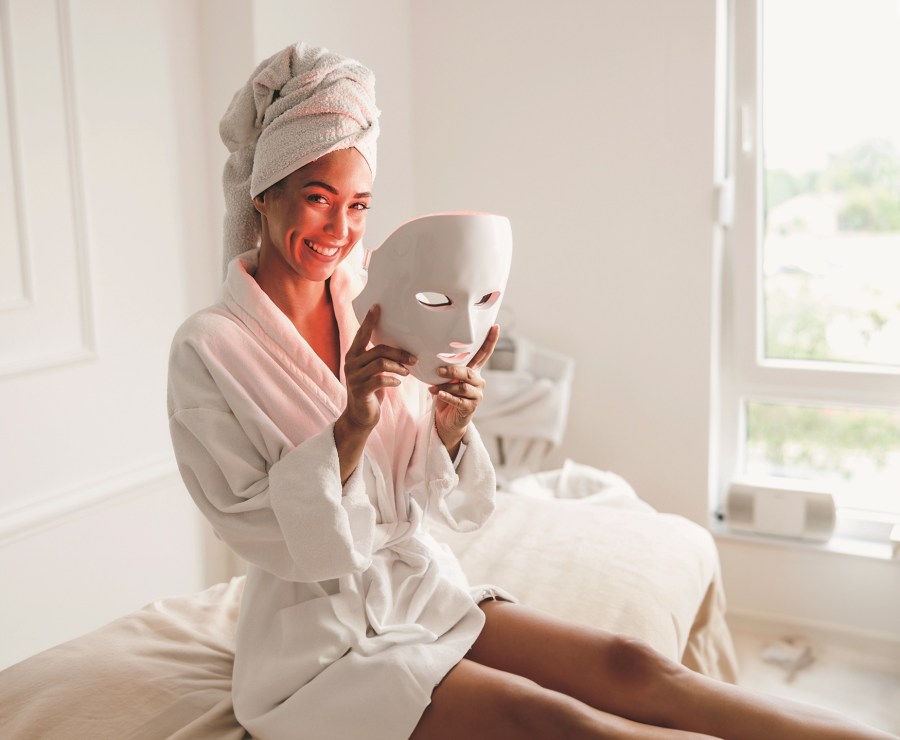
In-clinic LED phototherapy treatments are an incredibly effective method of treating acne. I use the Dermalux Tri-Wave MD due to its unique combination of red, blue and near-infrared light therapies. Blue light targets the bacteria load on the skin that can lead to acne, reducing inflammation and preventing future breakouts. Red light promotes healing and reduces skin erythema (redness) while near-infrared light penetrates deeper and offers an anti-inflammatory impact, which enhances skin repair.
In our clinic, we often see significant improvements in skin clarity and reduced acne lesions even after a single treatment, which leaves the patient finally feeling hopeful about a resolution, one which they have often tried to achieve in many other ways.
However, I also provide my patients with some at-home tips, including:
1. Using clean pillowcases is crucial because they can harbour bacteria, oils and dead skin cells that contribute to breakouts.
2. Regularly changing and cleaning your make-up brushes is important for breaking the acne cycle because brushes can accumulate bacteria, oils and dead skin cells.
3. Depending on the severity of acne, we can prescribe various topical medications such as benzoyl peroxide (which is bacteria fighting) or even spironolactone (great when acne has a hormonal cause) and so on.
Also, retinoids are incredibly effective for treating acne because they promote cell turnover, helping to prevent clogged pores. My go-to product for patients is RETIN-ACE by CellDerma (£124.69, cellderma.com) because it offers a clinically-proven retinoid with an estimated potency 20-30 times that of one per cent retinol but without the same risks of side effects.
Pigmentation
EXPERT: Yuliya Culley is an aesthetic nurse practitioner and founder of Novello Skin in Cheltenham.
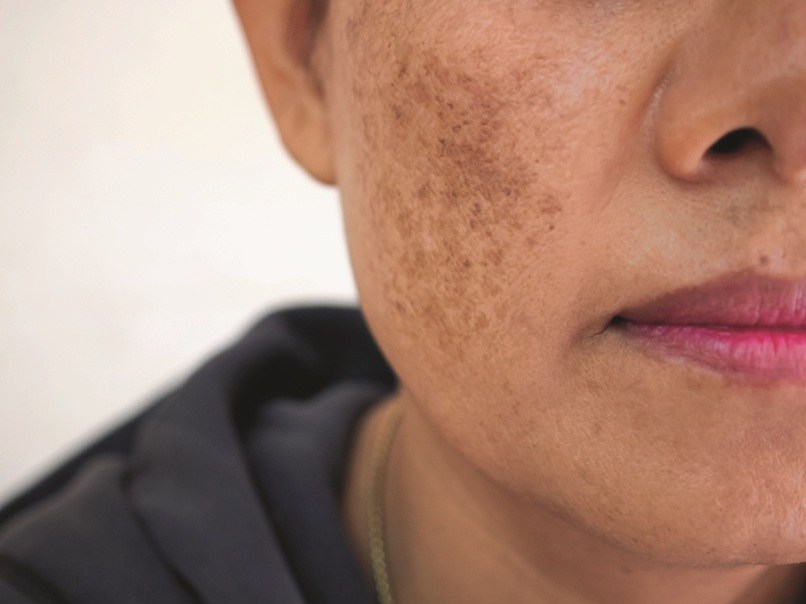
CAUSE: When we talk about skin pigmentation, we’re describing the colour of the skin, and that all depends on how much melanin is in the skin – the darker the skin, the more melanin. The cause of pigmentation is multifactorial and complex. It depends on age, skin type, skin photodamage, health conditions – including hormonal imbalance – medications, trauma, and lifestyle.
Couch or clinic?
Pigmentation can sometimes be challenging to treat and so each case should be assessed in a clinic for an accurate diagnosis. We can then get a good understanding of the depth and exact location of the pigmentation. After careful assessment, pigmentation needs to be treated with a holistic professional approach.
I see many patients who have first tried to treat pigmentation themselves at home, using products they found online that claim to be the cure, however they rarely work. In clinic, we start with developing a bespoke, targeted skincare plan with a suitable cleansing routine. This helps to prepare the pH of the skin so it can effectively absorb ingredients and this helps balance the skin’s oiliness.
We often prescribe high strength, topical retinoids as part of the protocol that work on a cellular level by improving skin cell proliferation and contribute to the skin cells’ renewal. Retinoids also help regulate sebum production and inhibit the production of tyrosinase, an enzyme in the skin that stimulates melanin production. I like ZO Skin Health Retinol Skin Brightener, which comes in 0.25, 0.5 and 1% strengths.
We often combine topical retinoids with hydroquinone products, which is a prescription medication that inhibits tyrosinase production. Used alone, hydroquinone can’t penetrate the deeper layers of the skin, but when combined with retinoids, the process becomes effective. Once the skin is conditioned, depending on skin type and severity of pigmentation we can then offer other treatments such as chemical peels, microneedling and CO2 lasers.
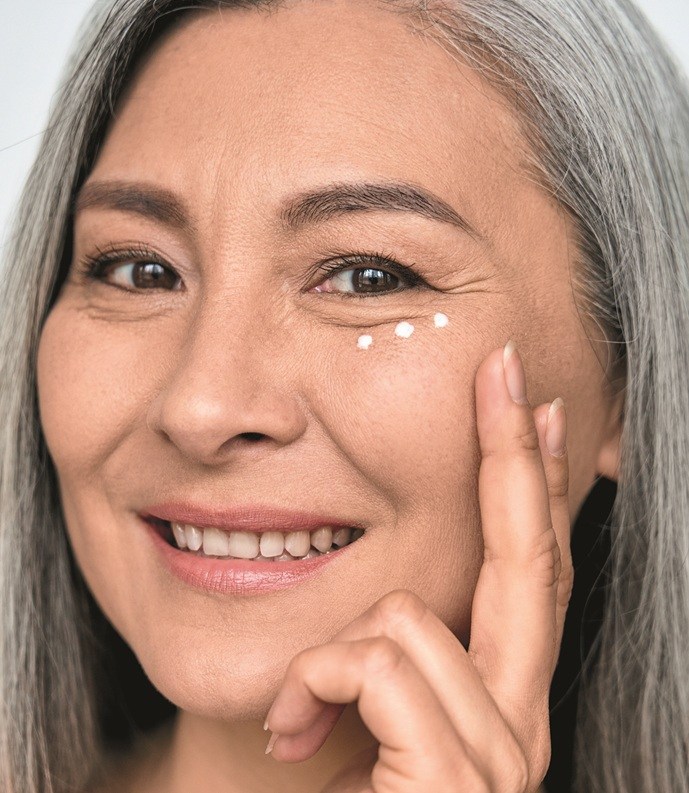
Eyes: dark circles and puffiness
EXPERT: Dr Ash Soni, plastic surgeon and skincare expert, founder of The Soni Clinic in Ascot, Berkshire, and with a residency at The Langham, London.
CAUSE: You might experience puffiness or dark circles around the eye area because of a combination of genetics and lifestyle factors such as lack of sleep, dehydration, too much alcohol and smoking, which can all propagate inflammation. Everyone’s collagen is arranged differently, and some people lose elasticity more quickly than others.
Couch or clinic?
The undereye area can be hard to treat as the skin in that area is quite thin. Historically, we didn’t have many effective products or treatments to treat under the eyes effectively. However, whilst there are some great in-clinic treatments that deliver impressive results like polynucleotides and tear trough filler, they’re not suitable for everyone and some people don’t want to use injectables, particularly around the eyes.
Now we’re seeing medical grade skincare delivering really impressive results for the eye area. Retinol is a vitamin A derivative, and is really good at boosting collagen and increasing cell turnover. Most people are scared to use retinol because they are worried about irritation and side effects, particularly around the eye area. AlumierMD has a microencapsulated Retinol Eye Gel (£70, uk.alumiermd.com) that has a delayed release, penetrating the skin gently but deeply.
This minimises the chance of irritation. It also contains a chamomile extract and plant extract, which calms and soothes the skin. I’ve never seen a reaction from it, and neither have any of my patients – generally you should start seeing a difference in a few weeks.
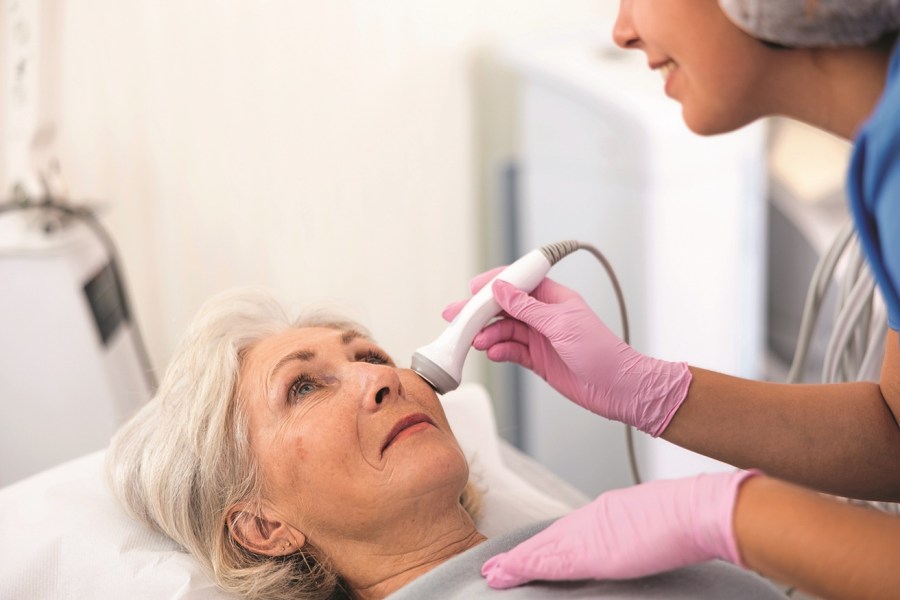
Thinning skin
EXPERT: Dr Ian Strawford, skincare expert and founder of Skin Excellent clinics in Plymouth and Wells.
CAUSE: Thinning skin is also known as skin atrophy and is mainly due to natural ageing, but genetics and lifestyle also play a part. Of course, as we get older our skin’s elastin and collagen levels decrease, which has a negative impact on its structure and elasticity. If a patient has been exposed to a lot of sun and, in particular, UV light, this can cause damage and lead to thinning of the skin.
Couch or clinic?
I adopt a multi-faceted approach to address thinning skin, focusing on both preventative and restorative measures. I believe a combination of in-clinic and at-home skincare can improve the quality of the skin. In clinic, I would recommend a treatment called Plenhyage XL, which is a polynucleotide and can significantly boost levels of collagen and elastin in your skin. Polynucleotides work at a cellular level to boost your body’s repair systems and cell regeneration.
If you’re concerned about thinning skin on the neck, jawline or décolletage area, then FaceTite is a minimally invasive procedure that utilises the power of radio frequency energy to heat underneath the skin, resulting in contraction and tightening of the overlying skin. This is a very safe yet effective treatment, as the heat is applied precisely using a very fine cannula probe to deliver the energy precisely to the treatment area under the skin, where the temperature is continually monitored to make sure that only the correct amount of energy is delivered.
In terms of an effective skincare approach at home, I would recommend ZO Skin Health Daily Power Defence (£115, skinaddict.co.uk), which helps reverse the ageing process.
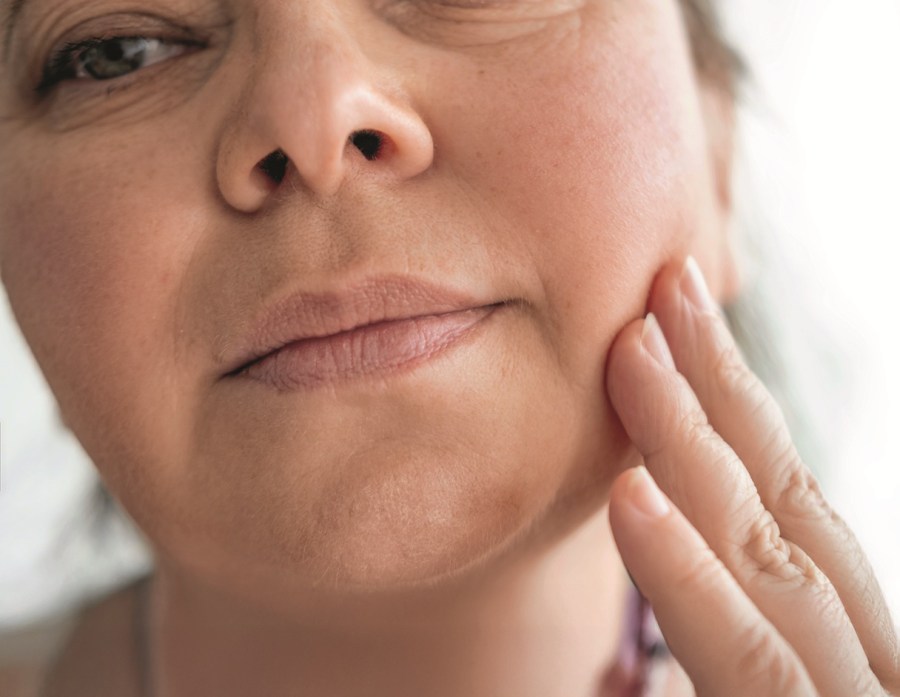
Sagging jowls
EXPERT: Sabika Karim, aesthetic doctor and founder of Skin Medical Clinic in Northwood.
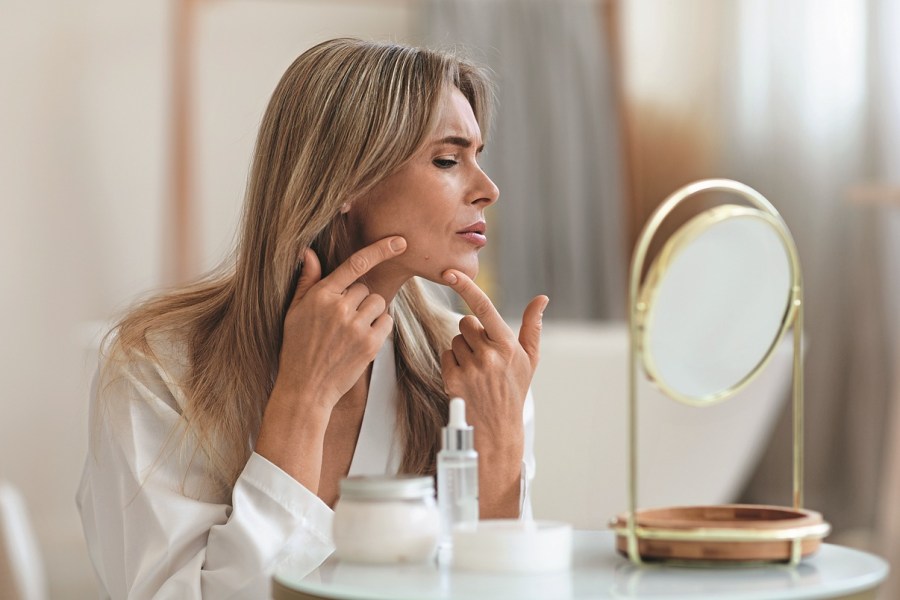
CAUSE: As we age, often our jawline is one of the first areas that we notice softening and this is one of the most common complaints of my patients. When we’re young, our jawline tends to be sharper, but over time, we naturally lose volume, which we know provides support to our faces. Our skin becomes naturally thinner and it loses collagen and elasticity, hence the sagging effect.
Couch or clinic?
Whilst there are certain skincare products that might help improve the quality and texture of the skin around the jawline area, skincare alone will not provide the “lift” and tightening effect that most people are looking for. Thankfully, there are multiple minimally invasive in-clinic treatments available that will tighten the jawline and improve the appearance of jowls. For example, dermal fillers can replace lost volume in the jawline and can help provide a sharpening effect.
I recommend collagen-stimulating fillers like Ellanse for this area as they encourage the body to produce its own collagen and the results are very natural. For those wanting to avoid needles, radiofrequency and laser treatments heat the skin, encouraging the production of new collagen. For a heavier jawline, I recommend a Silhouette Soft thread lift that uses biodegradable sutures placed under the skin and pulled tight to lift the sagging skin.