
Before you get tempted to sign up to the latest “miracle” get-fit-quick course, learn the fitness basics and what really works from trainer Will Duru, who says it’s about working out smarter, not harder
Words: Will Duru and viridian-nutrition.com | Images: Shutterstock
Every year, a wave of new exercise trends floods the fitness landscape, each promising the ultimate solution for weight loss and muscle building. But amid the flashy trends and quick fixes, personal trainers have relied on the same principles to get people into shape for years: effective cardio mixed with regular strength training, increased activity and a healthy diet.
In the ever-evolving world of fitness, you get fads and you get enduring principles. As a PT, people come to me every year wanting to lose weight and build muscle, and for that the principles are the same.
There are no real secrets and no short cuts, only what science and time have shown to work over and over again. So, let’s look at what works and will help you on your journey to better fitness…
1. Identify your goal
The first step on the path to fitness success is identifying your goal. Understanding your objective allows you to choose the exact training principles that have been proven to work to achieve it. For the purposes of this guide, I’m going to imagine your goal is to lose weight and build muscle.
2. Burn fats for weight loss
To lose weight, you need to do cardio that keeps your heart rate between 120 and 150 beats a minute (BPM). This trains your body to utilise fats for energy instead of carbohydrates, making it an ideal zone for weight loss. If you’re just starting out, begin with two weekly 30-minute sessions and build up to three-four sessions of 45 minutes to an hour every week.
3. Increase your step count
In addition to your structured cardio, you will need to get yourself moving more in your everyday life. The best way to do this is to focus on increasing your step count to at least 10,000 steps a day, and ideally 15,000.
4. Avoid just focusing on cardio
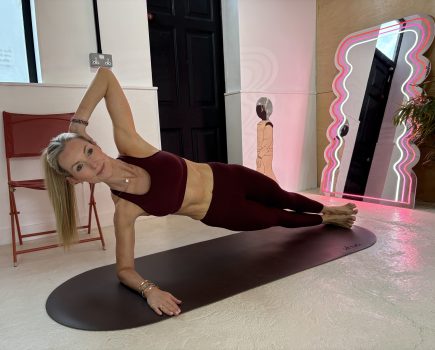
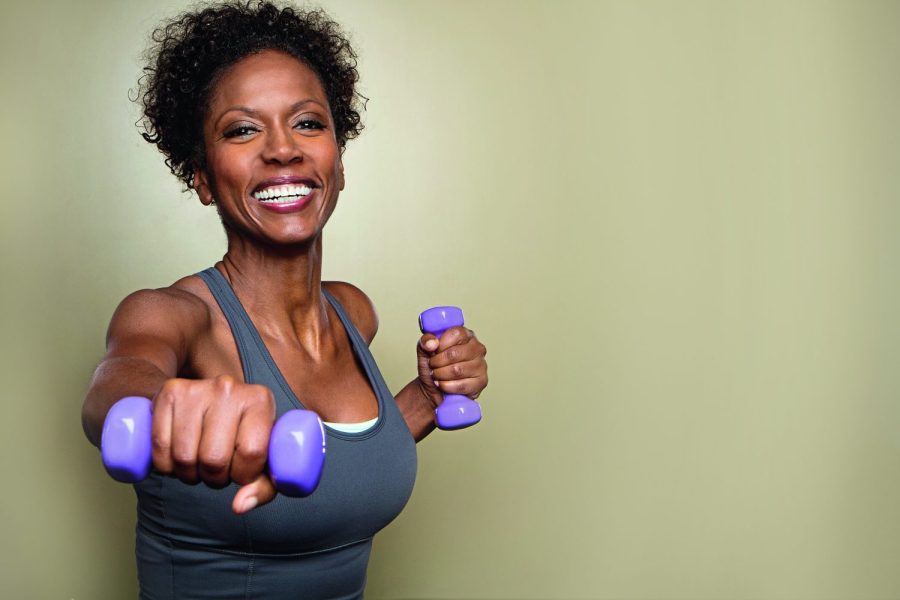
While cardio is a crucial component of any fitness routine, you should be including 45 minutes of strength training 2-3 times a week too. This can be weightlifting, working with resistance bands, or using your own body weight, but it’s crucial to building muscle in your body. After the age of 30, you lose 3-8 per cent of your muscle mass per decade. Muscle is essential to burning fat, so the more you can build in your body, the more calories you burn at rest. That reaps benefits for your resting metabolism and means your body is burning energy outside the gym too. This isn’t the case with cardio, which only burns calories while you’re doing it.

5. Try compound strength training
Compound strength training is where you choose weightlifting moves that engage more than one muscle, ideally as many as possible. Squats, deadlifts, bench presses and bent-over rows are essential examples of compound moves that any weightlifting programme should include as they use multiple muscle groups simultaneously. That means you can get more muscles worked in a shorter time. The result is more fat burning and the faster development of a lean, toned physique.
6. Keep going for at least four weeks
Consistency is the essential ingredient in any effective fitness regime as it takes time and repeated efforts to really see results. You will have some days where you don’t manage it and others where you do, and it’s the sum of what you do the most that will count towards your result. So, stick to any routine for 4-8 weeks before considering any modifications. The initial phase will be about building your comfort in lifting weights and perfecting your technique. After this initial foundation is laid, you can start introducing the idea of progressive training, where you introduce incremental increases in weight and intensity every four weeks. Any effective fitness routine will keep challenging you to lift more weight or do more reps or to progress in some other way so your body will quickly adapt, until a programme becomes easy. That’s the time when you have to step it up.
7. Track your progress with photos
You need to measure your progress and to do this effectively you should utilise visual cues. Taking regular photos from front, back and side in underwear, swimwear or tight training gear helps track changes in your body composition over time. Additionally, hands-up side photos capture the progress of your obliques (the muscles at the side of your torso) too so you get a full view of your fitness progress. It beats the scales because your weight may well go up as you gain muscle because muscle weighs twice as much as fat.
Lifting weights is the secret to feeling unstoppable: Try this beginners workout to burn calories
8. Ignore fads and keep going!
It’s easy to get lured into “10-minute workouts” or “five-minute abs” posts on social media. These don’t work. They’re fads designed to lure in users in search of a quick fix. Abs are not sculpted through isolated ab workouts but through an integrated approach focused on your entire lifestyle and overall body composition. Achieving a significant shape change requires commitment and consistency to simple principles:
- A healthy diet high in protein and complex carbs and low in sugar and processed foods
- More everyday movement
- Cardio training 2-4 times a week
- Strength training 2-5 times a week
9. Notice your confidence increase
Beyond the physical transformations, you can also get motivated by the psychological impact of consistent training. Your increased confidence will be evident from better posture, more eye contact and a sense of increased overall self-assuredness – these are all tangible markers of progress that can keep you going.
Will Duru is a personal coach with more than 10 years’ experience in sports nutrition, athletic training and exercise physiology, which he uses to help clients achieve their wellness goals and potential. Will works with Viridian and their De-Junk Your Life campaign (viridian-nutrition.com).