

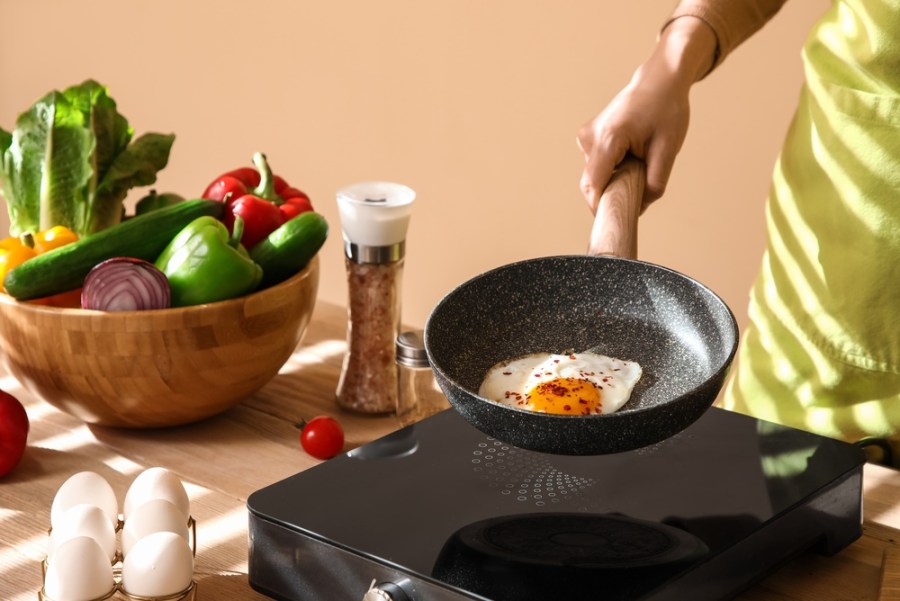
Protein isn’t just for gym-goers or weightlifters. Registered nutritionist Rob Hobson explains why it can become increasingly important in midlife — and shares six simple ways to get more from everyday foods.
Words: Amy Mica Marsden. Images: Shutterstock
Do you remember your diet from five years ago? What was your average snack – and how does it compare with today? Perhaps you once reached for a KitKat or a banana, but find yourself increasingly reaching for a protein bar or other similar snack.
And you’re not the only one — new research from Babybel Protein found that more than four in 10 women (42%) say they’ve increased their protein intake over the past five years, while 51% say protein is one of the nutritional benefits they look for when choosing a snack.
But focusing on the protein in your diet is more than a passing trend – especially for women in midlife.
‘Protein is important throughout life, but I think many women become more aware of it during midlife and beyond because maintaining muscle becomes increasingly important as you get older,’ explains nutritionist Rob Hobson.
Our bodies don’t produce protein by themselves, meaning our bodies’ supply relies entirely on our diet for things like maintaining our bones, muscles, skin, nails and hair. In fact, hundreds of bodily processes rely on this essential macronutrient.
But as we age, and especially during menopause and beyond, we start to naturally lose muscle and bone mass – meaning it’s even more important than ever to make sure we’re getting the right amount of protein in our diet.

How much protein is enough?
The good news is that, according to Rob, most of us are likely already consuming enough protein to meet our basic daily requirements. However, it’s not just the amount of protein that matters, but how regularly you’re getting good quality amounts as part of a balanced diet.
‘For women who are physically active, trying to lose weight, recovering from illness or injury, or older adults may benefit from paying closer attention to their protein intake,’ he says, suggesting that 1.2–1.6g of protein per kilogram of body weight per day may be the right emount to help support muscle health.
‘Ensuring you include a good source of protein at each meal, alongside regular strength training, can help support the maintenance of muscle, strength and mobility as you get older,’ he adds.
‘Protein can also help keep you feeling fuller after meals, which may support appetite control and weight management and during weight loss, eating enough protein alongside exercise can help preserve lean muscle while losing body fat.’
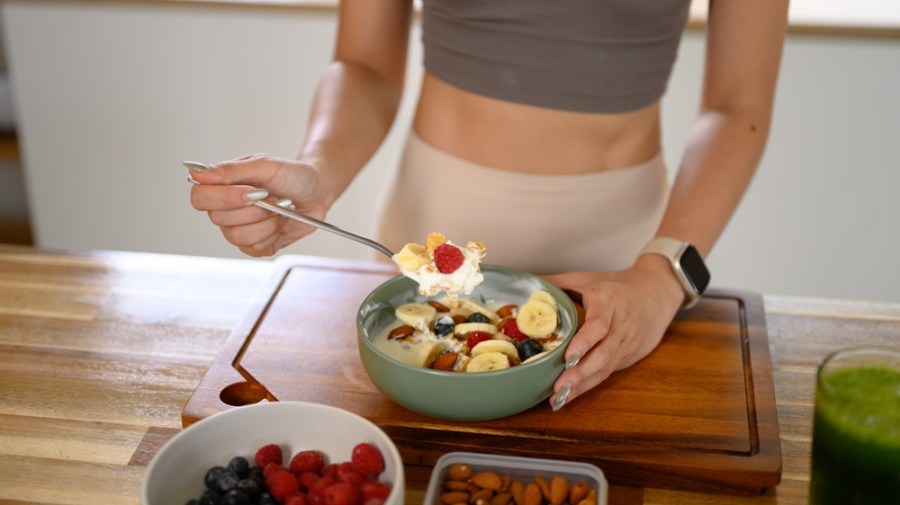
How to get easily get quality protein
Protein used to be thought of, generally, as something only big gym-goers and weightlifters should focus on. However, in recent years the narrative has started to shift, meaning more and more women are recognising protein as part of a healthy, balanced diet – no matter their lifestyle.
‘For a long time, protein was associated almost exclusively with sport and bodybuilding, but we’re now seeing more women recognize that it is an important part of a healthy, balanced diet – not just something for athletes,’ says Rob.
‘Whether you’re juggling work, family, exercise or all three, the key is not to chase high-protein targets or rely on expensive supplements. It is about making simple choices that fit into everyday life’.
He outlined six realistic ways to fit more protein around your busy life below:
- Start with breakfast
‘Many people eat very little protein first thing, so adding Greek yoghurt, eggs or cottage cheese can be an easy win.’
- Build meals around protein
‘Decide on your protein first, then add plenty of vegetables, a source of fibre-rich carbohydrates and some healthy fats to create a balanced meal.’
- Don’t overlook plant proteins
‘Beans, lentils, chickpeas and tofu all contribute protein, as well as fibre.’
- Mix plant-based sources
‘If you follow a plant-based diet, include more than one protein source in a meal – such as beans and tofu, or lentils and edamame – to help increase your intake.’
- Keep convenient options to hand
‘Yoghurt, boiled eggs, microwavable lentils or bean pouches, edamame beans and Babybel Protein, which is naturally high in protein, can make it easier to avoid skipping meals or reaching for less nutrient-dense snacks when life gets busy.’
- Spread protein across the day
‘Rather than having most of it with your evening meal, aim to include some at breakfast, lunch and dinner.’
Rob Hobson is an award-winning nutritionist, working with Babybel Protein as part of the “Fit It In” campaign, which encourages people to find simple ways to incorporate movement and good nutrition into their everyday routines.