

Functional nutritionist and keto expert Pauline Cox MSc explains why your body needs salt – and that it should be a crucial component of any diet
Words: Pauline Cox | Images: Shutterstock
When it comes to health recommendations, salt often gets a bad rap. You’re usually just advised to keep intake low. However, too little salt can cause health issues just as can having too much. So, having the “Goldilocks” amount for you is key, meaning not too much and not too little, but just the right amount!
Salt is composed mainly of two essential minerals: sodium and chloride. It has many important functions in your body, such as regulating fluid levels, triggering brain and nervous system neurons, as well as playing an important role in the immune system.
The amount of salt needed varies from person to person, depending on factors such as exercise and activity levels, the amount you sweat, your diet, how much coffee you drink (coffee is a natural diuretic), your blood pressure and the climate in which you live.
For instance, if you eat a diet of takeaways and ready meals, you’re likely consuming higher levels of salt as these foods usually contain a lot of added salt – and it will be the processed variety, not full of a range of minerals. By contrast, if you follow a low-carb or ketogenic diet, you will likely have a higher need for salt, as you hold onto less water with a low-carb diet, excreting more fluid and losing more potassium and sodium. Diets higher in carbohydrates such as pasta, breads and pastries cause water retention, therefore less salt is needed.
The British Dietetetic Association recommends no more than six grams of salt per day (about one level teaspoon). However, if you exercise heavily, sweat excessively or have a wholefood diet with little processed food, your need may be higher. Also, if your salt intake is too low, you may find you urinate frequently when you drink water, then additional salt may be beneficial. Signs you may need more salt include:
- Low blood pressure
- Persistent hunger
- Cravings for salt and/or sugar
- Light headedness, dizziness
Which salt is best?
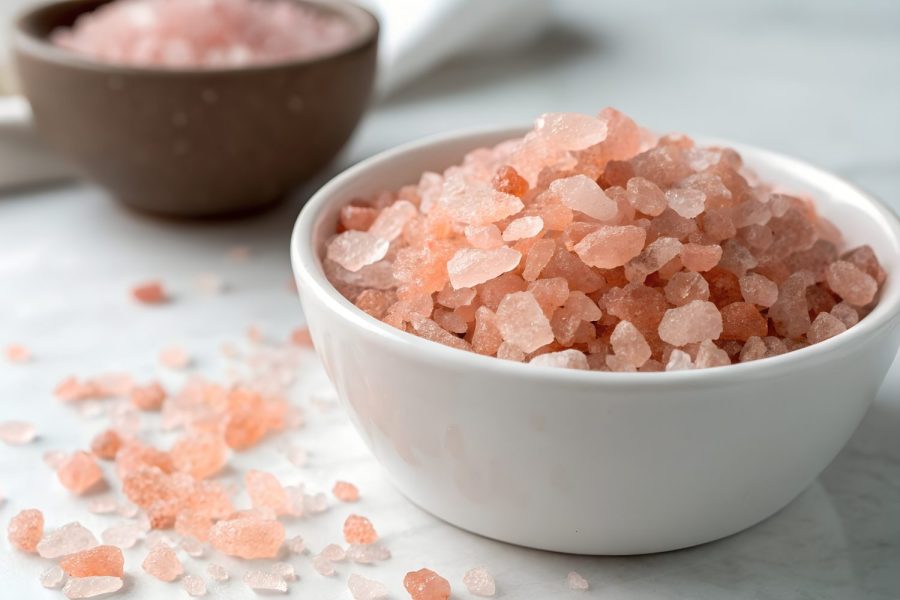
There are lots of different types of salt, including rock, Himalayan, Celtic, gray and table – so what’s the difference? Table salt is pure sodium and chloride with nothing else – no additional minerals. It’s heated to high temperatures and will often have anti-caking agents added such as magnesium carbonate or silicon dioxide. Table salt can also be iodised, having potassium iodide added. Unrefined sea salt is about 85 per cent sodium and chloride, with 15 per cent trace minerals, while Himalayan rock salt, which is often pink, may contain as many as 80 trace minerals, such as magnesium, potassium and calcium.
An appropriate amount of salt supports kidney, colon, brain and heart health as well as energy levels. Make sure to eat plenty of potassium-rich foods too, such as avocados and leafy greens, to work in harmony with salt as this helps fluid balance.
3 benefits of salt
Discover the surprising ways salt helps your body function optimally.
It reduces sugar cravings
When salt intake is low, insulin levels can increase to ensure your body holds onto the sodium needed to function. As insulin levels creep up, this can inhibit fat burning and cause cravings for carbs as your body struggles to burn fat for energy. So, a low salt intake in healthy individuals can increase cravings for high-carb foods such as cakes, biscuits, sweets and chocolate.
It relieves stress
Too little sodium in your bloodstream can increase stress and anxiety. The need for salt increases during times of stress, according to the Journal of Physiology & Behaviour. Dizziness, low blood pressure, cravings for salt and sugar, chronic digestive issues and a poor functioning immune system could all indicate an increased need for salt.
Salt supports your immune system
Chloride from salt is used to make hydrochloric acid, which forms stomach acid. This is essential for killing bad bacteria, breaking down food and allowing you to absorb vitamins from food. Without an acidic environment in your stomach, you wouldn’t properly be able to absorb nutrients from food or break down protein into the amino acid building blocks needed to make healthy skin, hair, nails, bones and muscle. Importantly, salt is also needed by immune-system cells to kill infections and calm inflammation.
For a range of high-quality supplements and low-carb foods, visit sowandarrow.com and follow Pauline at instagram.com/paulinejcox for daily tips for wellbeing.