

Author Kate Codrington shares why life can be better with a healthy dose of pleasure at any age – but especially after menopause
Words: Kate Codrington | Images: Shutterstock
What if I told you there was a magic pill that could improve every area of your health and even make you live longer? I call this pill vitamin P. It’s free, has only beneficial side effects, has no environmental impact and is accessible to you right now. The P is for pleasure, and refers to simple, mindful moments you can give yourself everyday to counteract the stresses of life and improve your health.
Focusing only on problems as we get older can end up becoming a negative mental spiral. For although we live in ageing bodies, choosing to live with a youthful mindset and in a way that increases the pleasure you experience will help make you healthier and happier.
Our culture tends to value women who look after others and are productive, so it can be hard to put yourself first. But if you don’t, you’re missing out on a host of benefits, and won’t be able to help your loved ones as well as you’d like. Remember the saying: “You can’t fill from an empty cup”.
Guilty pleasures?
Imagine you were to stop working through your to-do list and go find something pleasurable to do right now. How does that thought make you feel? Does it spark tension or unease? Feelings of guilt or shame? Perhaps thoughts arise such as: “I’m too old, too tired, have no time, not enough money”, etc? These thoughts and feelings usually originate from childhood experiences, but may no longer be relevant or helpful for you. Another misconception is that pleasure should be expensive, which is far from the truth. Being present in the moment and fully engaging your senses brings about the possibilities of admiring a newly opened flower – go seek snowdrops as they’ll soon be emerging – feeling the sun or a gentle breeze on your skin, or laughing at a funny film, all of which count as pleasure.
As Michelle Obama once said, if you don’t prioritise yourself, you constantly start falling lower and lower on your list.
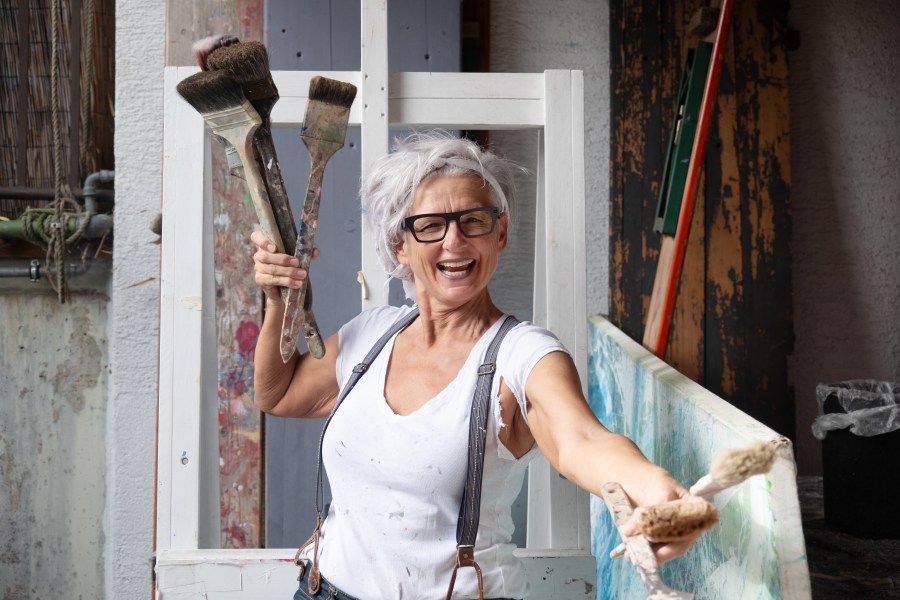
Good for your hormones
In terms of how pleasure works to improve your health, it reduces the stress hormone cortisol and activates the “rest and digest” part of your nervous system. These stress-reducing benefits not only help calm anxiety and depression, but also help improve your heart health, bone health, your capacity to heal from operations and wounds, and support your immune system, making you more resistant to viruses. In other words, all the stuff we tend to worry about as we get older and pass menopause.
Remember, though, it can take seven years after your last period for your hormones to settle again, and pleasure will help with this process. Pleasurable experiences trigger oxytocin, known as the “love hormone”, which promotes connection and bonding. Pleasure can also increase endorphins, your natural painkillers.
While you may not be able to control the stress going on around you, you can take control of your internal world and prioritise pleasure. Life is too short to deprive yourself of the things you love, so think about how you can boost your intake of vitamin P today – you’ll be glad you did!
A little of what you fancy does you good! Kate shares some ideas to get you going…
Eating more slowly while enjoying the flavour of every mouthful increases the feel-good hormone dopamine as well as endorphins. You can also get an oxytocin boost if you share good food with friends.
Instead of doing exercise resentfully, move in a way that makes you feel good. Ask yourself what your body craves rather than what you think you ought to do. How about dancing around the kitchen to your favourite tunes?
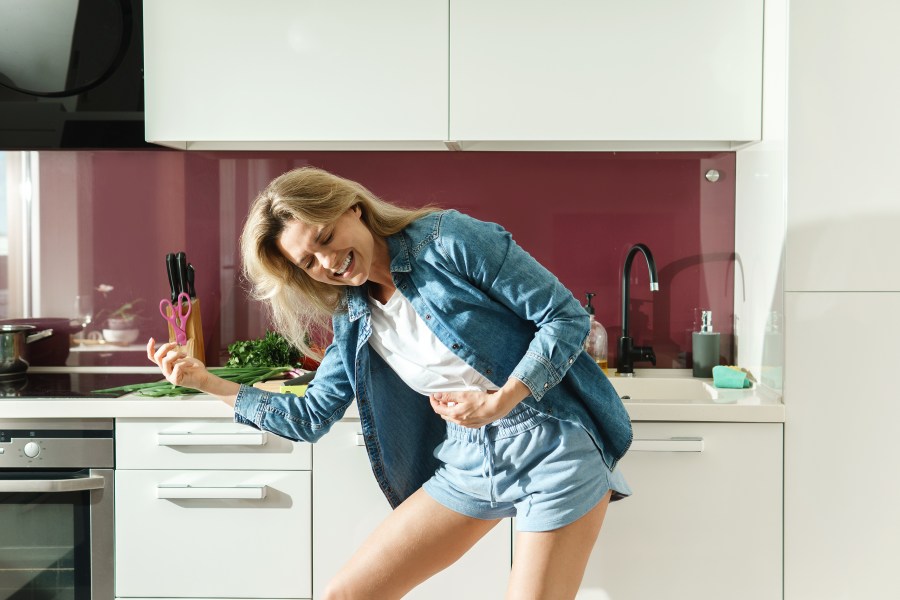
Laughing is magical; its stress-reducing benefits lower the risk of heart attacks, increase pain tolerance and decrease inflammation in your body. Watch a funny movie or fake a smile – that works, too!
Looking at something you find beautiful soothes your nervous system, reduces stress and can even alter your experience of time. Just let your eyes rest on something that pleases you and notice the effect in your body.
Get creative with your clothing – choose sumptuous, soft, feel-good fabrics. Also get creative in the kitchen by trying out new recipes that include your favourite ingredients. Food, after all, is strongly linked to pleasure.
Connecting with nature offers endless benefits for mental and physical wellbeing – even caring for a houseplant or looking at an image of nature relaxes your brain, reduces stress hormones and improves heart health.
Get curious about what is pleasurable for you when it comes to sex. Experiment on your own and be curious about what feels nice, then perhaps share that with a partner if you have one. An orgasm will offer better sleep and less stress, too!
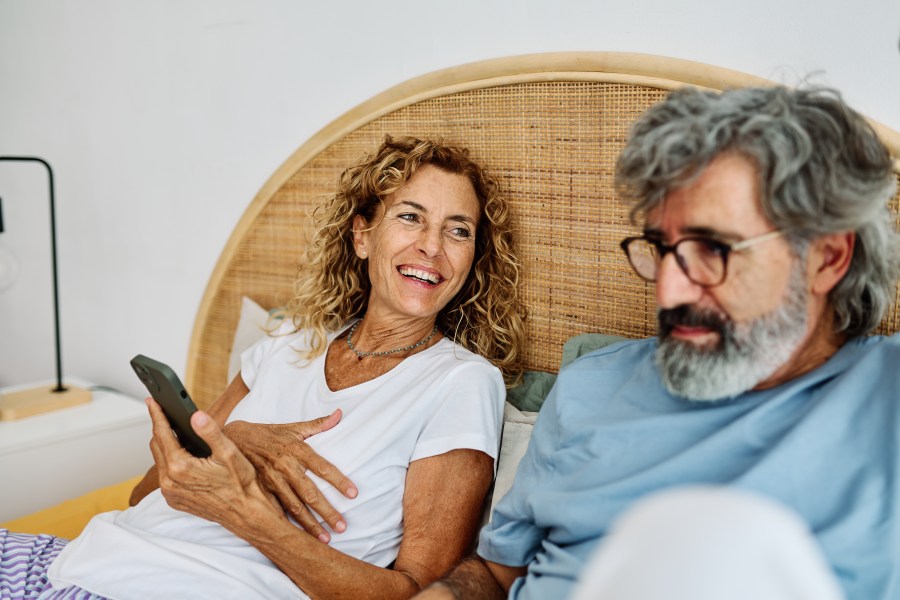
Feeling part of a community, especially as a volunteer, has been shown to improve heart health, mental health and even Alzheimer’s, and brings you pleasure from helping others.
A massage is great for some pampering, but you can also get similar benefits with a bit of DIY touch therapy. Getting someone to comb your hair can be super-relaxing, and even putting on hand cream, if done in long, slow strokes, can help you destress. Stroking a pet or cuddling your partner generates oxytocin, too.
Kate Codrington is the author of Second Spring: The Self-care Guide to Menopause (£14.99, HarperCollins). She offers workshops and a one-to-one menopause “doula” service. You’ll find free resources at katecodrington.co.uk and you can connect with Kate at instagram.com/kate_codrington.