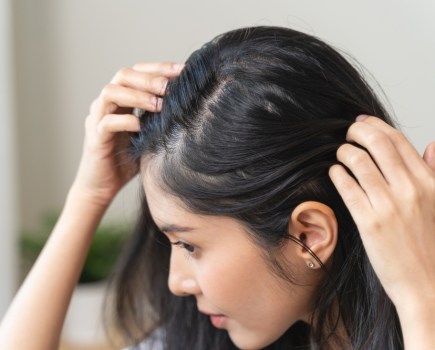

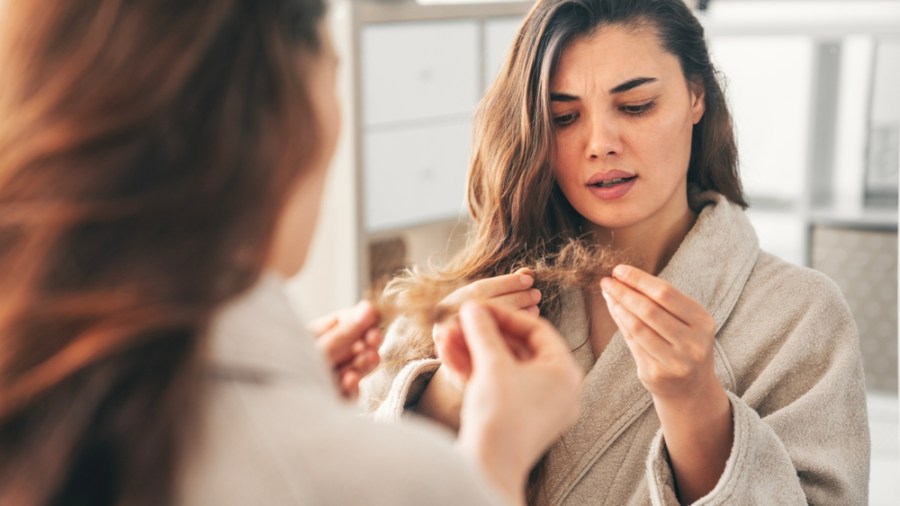
If you’re suffering from hair loss or thinning, it can be difficult to pinpoint the root cause (excuse the pun). But research suggests it’s more than likely down to your everyday habits than genetics. Here’s how your lifestyle might be playing a part – and which supplements can provide additional support
Words: Amy Dowrick | Images: Shutterstock
While it’s safe to assume that our genetics, hormones and ageing can certainly play a role in affecting hair density, that’s not entirely accurate – and finding out what’s really affecting your hair health can be just the thing that fixes it.
“Hair follicles are among the most metabolically active structures in the body and require a steady supply of nutrients, energy and support to function optimally,” says Ella Kaur Maan, Registered Nutritionist and Practitioner Lead at DRV+ (formerly DR. VEGAN). “As a result, seemingly harmless lifestyle habits could be contributing to thinning, breakage or excessive shedding without you realising.”
Here are six surprising everyday habits that she thinks could be impacting your hair health:
Skipping meals or following restrictive diets
“Many people might not realise that hair is one of the first places the body cuts back on resources when energy or nutrient intake becomes too low,” says Ella. “Frequently skipping meals, crash dieting or following highly restrictive eating plans can leave the body short on important nutrients involved in healthy hair growth, including protein, iron, zinc and biotin.”
Since hair is primarily made up of a protein called keratin, Ella suggests that adequate protein intake is particularly important. “When the body isn’t getting enough fuel, it prioritises essential functions over hair growth, which can result in increased shedding several weeks or months later,” she adds.
Living with chronic stress
Stress doesn’t just affect your mood. It can also affect your hair – and Ella says that significant or prolonged stress can trigger a condition known as telogen effluvium, which causes more hairs than usual to enter the shedding phase of the hair growth cycle.
“One of the reasons stress-related hair loss often catches people by surprise is because it typically appears several weeks or even months after the stressful event itself,” she says. “Supporting stress management through exercise, quality sleep, mindfulness and balanced nutrition can help support both overall wellbeing and healthy hair growth.”
Overusing heat styling tools
This one might not surprise you. Daily use of straighteners, curling wands and hair dryers can contribute to hair damage over time – and those pesky split ends are screaming for you to stop.
“While heat styling doesn’t directly affect hair growth from the follicle, it can weaken the hair shaft, leading to increased breakage that makes hair appear thinner and less healthy,” says Ella.
She recommends using heat protectant products, reducing styling temperatures where possible and incorporating heat-free styling days can help minimise unnecessary damage and support stronger-looking hair.
Regularly undergoing harsh hair treatments
Just like using heat styling tools, frequent bleaching, chemical straightening, relaxers and some colour treatments can place significant stress on both the hair and scalp, which weakens the hair structure, increases breakage and, in some cases, contribute to scalp irritation that may affect overall hair health.
“While occasional treatments are unlikely to cause major issues, repeated exposure without allowing adequate recovery time can make hair more fragile and susceptible to damage,” says Ella. “Prioritising scalp health and spacing out intensive treatments can help protect the condition of your hair over the long term.”
Wearing tight hairstyles too often
Sleek buns, tight ponytails, braids and hair extensions may seem harmless, but regularly pulling on the hair can place significant strain on the follicles – and over time, this repeated tension can contribute to a type of hair loss known as traction alopecia.
“This commonly affects the hairline and temples first, where the scalp experiences the most pulling,” says Ella. “Rotating hairstyles and reducing tension can help minimise damage and support healthier hair in the long term.”
Ignoring nutritional deficiencies
And while many people focus on expensive shampoos, oils and treatments to build up hair strength, they’re overlooking what is happening internally.
“Nutrient deficiencies are surprisingly common and can sometimes contribute to excessive shedding, thinning or slower hair growth,” says Ella. “Iron, zinc, selenium, biotin and vitamin D all play important roles in maintaining healthy hair.”
“Vitamin D is particularly relevant, and limited sunlight exposure can make it difficult for many people to maintain optimal levels throughout the year.”
Should you take supplements?
Alongside a balanced diet rich in protein and essential nutrients, Ella suggests adding targeted supplementation to your diet to help fill nutritional gaps where needed.
“Because healthy hair growth relies on a range of nutrients, nutrition is one area that’s often overlooked,” she says. “While a balanced diet should always form the foundation, some people may benefit from additional nutritional support, particularly if they’re struggling to meet their requirements through food alone.”
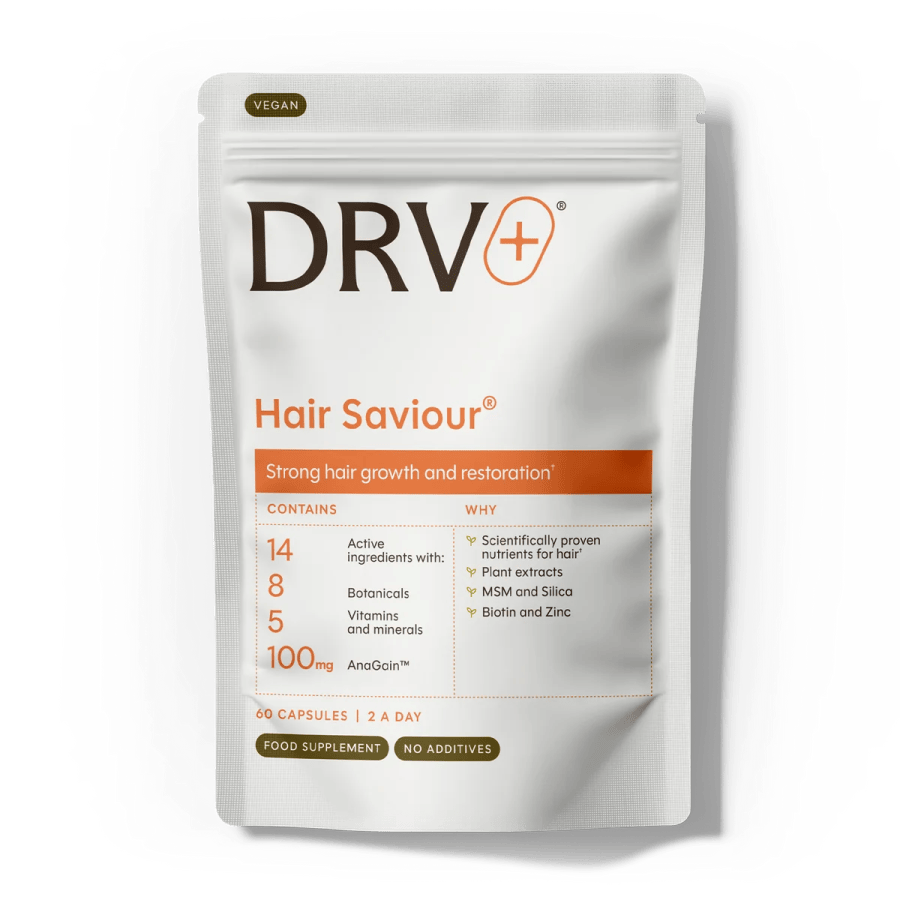
Hair Saviour®
Top Sante verdict
14 active nutrients and botanicals for hair growth support, shedding, strength and thickness, designed for women and men- For shedding, brittle and weak hair.
- Supports stronger, thicker, lustrous hair.
- Fuels hair growth and renewal.
- Clinically studied AnaGain™ with biotin and zinc.
- Staged support over 3 months.
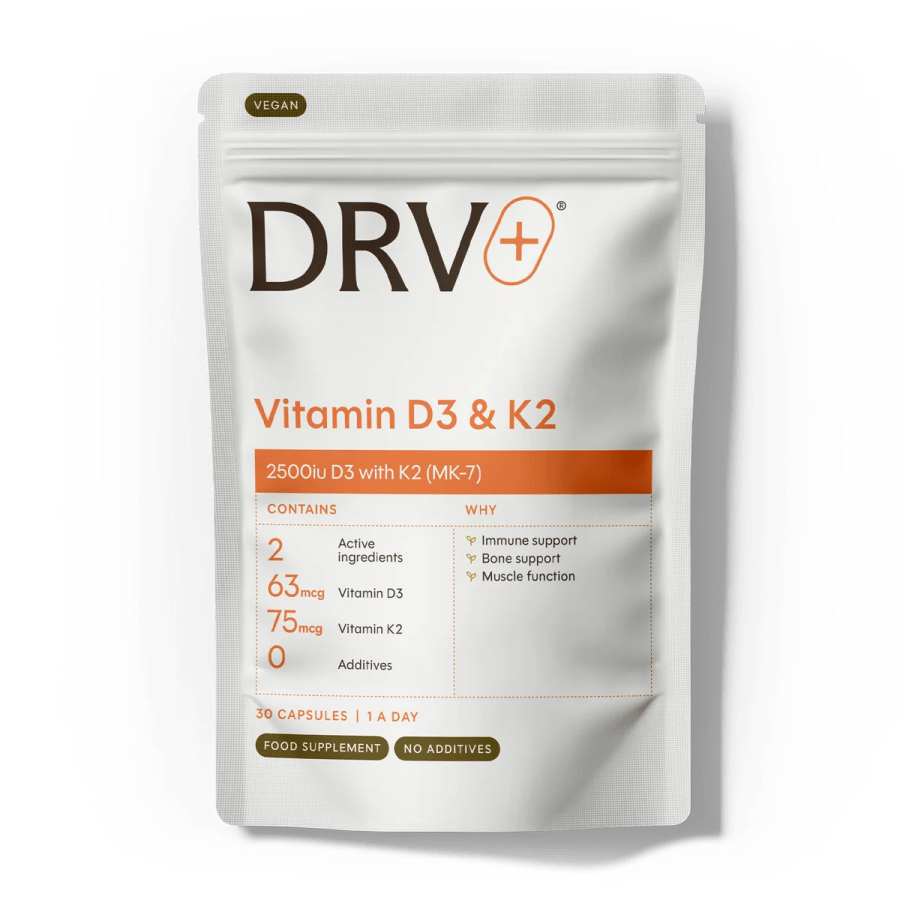
Vitamin D3 & K2
Top Sante verdict
Award-winning, high-strength 2,500IU vegan vitamin D3 with K2 as MK-7- For healthy immunity, bones, muscles and teeth
- High-strength 2,500IU with K2 MK-7
- Vegan D3 from plant algae
“Hair health is often a reflection of overall health, which is why there is rarely a single cause of hair loss,” says Ella. “Supporting your body with adequate nutrition, quality sleep, effective stress management and healthy lifestyle habits can help create the best possible environment for healthy hair growth.”
If hair loss is sudden, severe or persistent, it’s important to seek medical advice to help identify any underlying causes.
Ella Kaur is a registered Nutritionist and Nutritional Therapy Practitioner at leading supplement brand, DRV+ (formerly DR.VEGAN), specialising in women’s health, hormonal balance, sleep and stress. For more information, or to book a free consultation and receive personalised advice, visit DRV.co.