


Before her PMDD diagnosis, writer Laura Elizabeth Woollett experienced dangerously low moods on and off for years – moods that would mysteriously vanish once her period started. Here’s what she wants you to know about it.
Words: Amy Mica Marsden. Images: Laura Elizabeth Woollett, Shutterstock.
Imagine if, for a week or two every month, you felt like a different person. Your emotions get dialled up to eleven; you’re suddenly anxious, angry, and depressed. Then, just as quickly as they started, your symptoms disappear, almost overnight – only to repeat over again next month.
That’s just a taste of what it’s like to live with premenstrual dysphoric disorder, or PMDD, according to writer and critic Laura Elizabeth Woollett.
It is thought that up to 5% of people of childbearing age in the US experience PMDD, and for many it feels like there’s no reprieve.
According to the International Association for Premenstrual Disorders, the average time it takes to get a diagnosis is twelve years, with some people trying between five and seven different medical providers until they get an answer.
What is PMDD?
The IAPMD defines PMDD as ‘a severe negative reaction in the brain that is directly connected to the natural hormonal fluctuations of the menstrual cycle and is triggered when ovulation occurs.’
‘Although individuals with PMDD have normal hormone levels and typical hormonal fluctuations, their brains react abnormally to these fluctuations for reasons that are not yet fully understood.’
The symptoms can feel debilitating to those with the disorder, especially if they aren’t aware they have it. Laura describes experiencing ‘rage, despair, anxiety, paranoia and insomnia’ in the days before her period.
‘At my worst, I experienced active suicidal ideation and considered breaking up with my partner over objectively minor disagreements. As soon as my period came, my symptoms would clear and I’d think, “What was that all about?”’
There’s a common misconception that these extreme moods can come down to PMS – however, this is not the case. ‘The difference is life-changing and life-threatening,’ says the IAPMD.
‘PMDD is not “just PMS” or a bad period. It’s a hormone-based mood disorder that causes severe emotional, cognitive, and physical symptoms in the two weeks before your period. Unlike PMS, PMDD can deeply disrupt your work, relationships, and well-being. The two conditions are vastly different in severity and impact.’
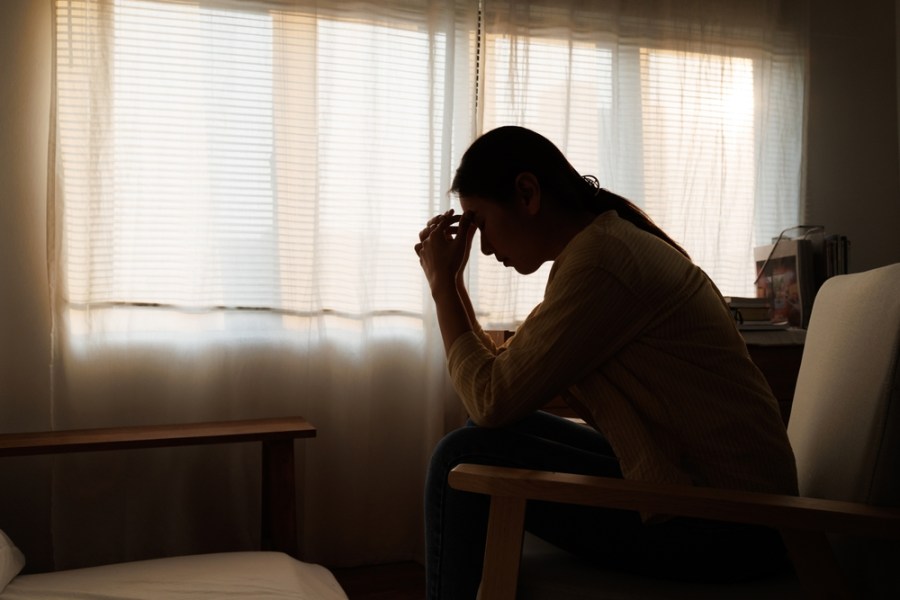
Symptoms can include, but are not limited to:
- Mood/emotional changes
- Persistent irritability or anger
- Depression and feelings of hopelessness
- Difficulty thinking or focusing, or ‘brain fog’
- Lack of interest in daily activities and relationships
- Sleep disturbances
- Changes in appetite
- Muscle and joint pain
PMDD and getting diagnosed
Laura was one of those people who believed she had ‘bad’ PMS, until a Google search made everything make sense. ‘I googled my symptoms and realised that such extreme mood changes weren’t just ‘PMS’. After considering how it was impacting my relationships and self-image, I decided to seek out diagnosis and treatment,’ she said.
Thankfully, Laura’s process didn’t involve seven doctors and twelve years. ‘For me, it was straightforward. I found a [doctor] specialising in ‘women’s health’. There was a waitlist, but she listened to me describe my symptoms and confirmed my self-diagnosis readily.’
If you suspect you may have PMDD, it can be helpful to keep a diary of your symptoms, making a note of the dates when they appear and disappear. This can then be presented to your doctor to help them with their assessment.

5 things you should know about a PMDD diagnosis
If you think you may have PMDD, here are the five things Laura thinks everyone should know about PMDD:
1. Like many mental health diagnoses, PMDD is an imperfect label for a cluster of symptoms whose causes aren’t yet well-understood – and, as such, is a work-in-progress.
2. Individual patients may experience PMDD very differently from one another (e.g., some patients may find relief during pregnancy, while others do not).
3. Premenstrual exacerbation (PME) of other conditions is a known phenomenon, though not currently a diagnosis in its own right.
4. Physical issues such as iron deficiency can worsen PMDD symptoms.
5. Stress hormones and sex hormones are interconnected. Traumatic memories are more likely to be formed during the luteal phase, due to heightened emotion-memory connections and sensory sensitivity.
‘Optimally, a PMDD diagnosis involves cyclical symptom-tracking over a two-month period, so it’s worth keeping a record before you visit a GP, if possible,’ adds Laura. ‘If you’re regularly having suicidal thoughts before your period, though, it’s worthwhile to seek care sooner than later (preferably from a GP who is versed in reproductive healthcare).’
Hell Days: Into the Inferno of Hormonal Mood Disorder by Laura Elizabeth-Woollett is out now (Scribe, £12.99).