
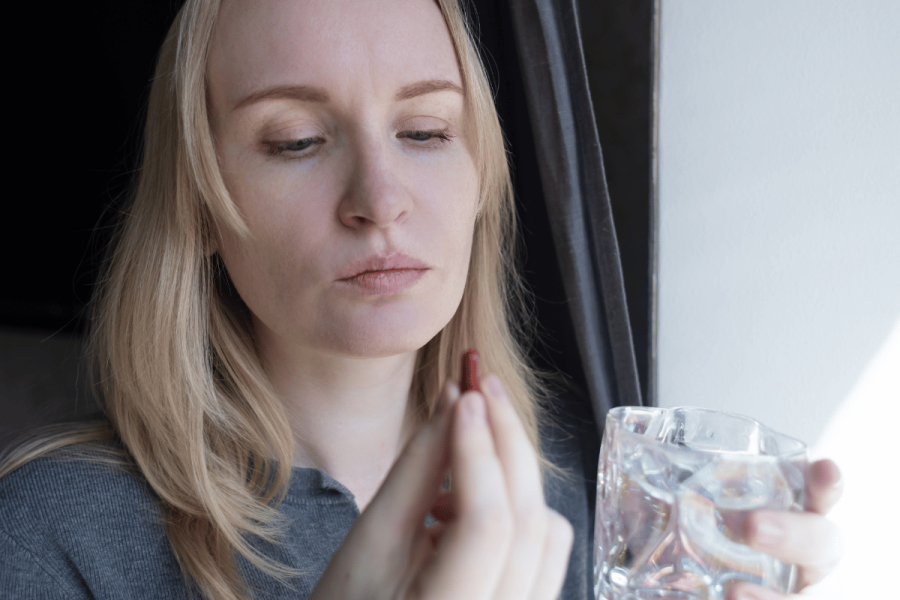
Pharmacist Deborah Grayson reveals the signs of anaemia and low iron intake, the daily habits that could be making things worse, plus what to do about it.
Words: Katy Sunnassee. Images: Shutterstock
Occasionally being tired is completely normal, and we all have days when we look a little pale. But if you’re constantly exhausted, unusually pale and experiencing symptoms such as shortness of breath, you may have iron deficiency anaemia.
‘Iron’s primary role is in the production of haemoglobin, a transport protein that carries oxygen around the body,’ says pharmacist and nutritional therapist Deborah Grayson. ‘If you don’t have enough haemoglobin, your body struggles to deliver oxygen efficiently, which is why you can feel breathless.’ Here, she explains the signs to look out for and the ways in which you can boost your levels.
What are the signs of iron deficiency?
Low iron can show up in surprising ways, including fatigue, breathlessness and headaches. ‘Look for pale skin, pale gums and even the colour inside your lower eyelids,’ says Deborah. ‘If you press on your fingernails and it takes a long time for the colour to return, that can also be a sign.’ More severe deficiency (iron deficiency anaemia) may cause heart palpitations, brittle nails, thinning hair and mouth ulcers.
Who’s most at risk?
Menstruating women, particularly those with heavy periods, are at higher risk, as are pregnant women, vegetarians and vegans. People with conditions affecting nutrient absorption, such as coeliac disease, colitis and inflammatory bowel disease (IBD), are also more vulnerable.
Bleeding in the stomach or intestines – from ulcers or IBD, for example – can lower iron levels. Certain medications can contribute, too. ‘Taking PPI (proton pump inhibitor) medication such as omeprazole, which blocks stomach acid production, is also a risk factor,’ says Deborah.
Increase your intake
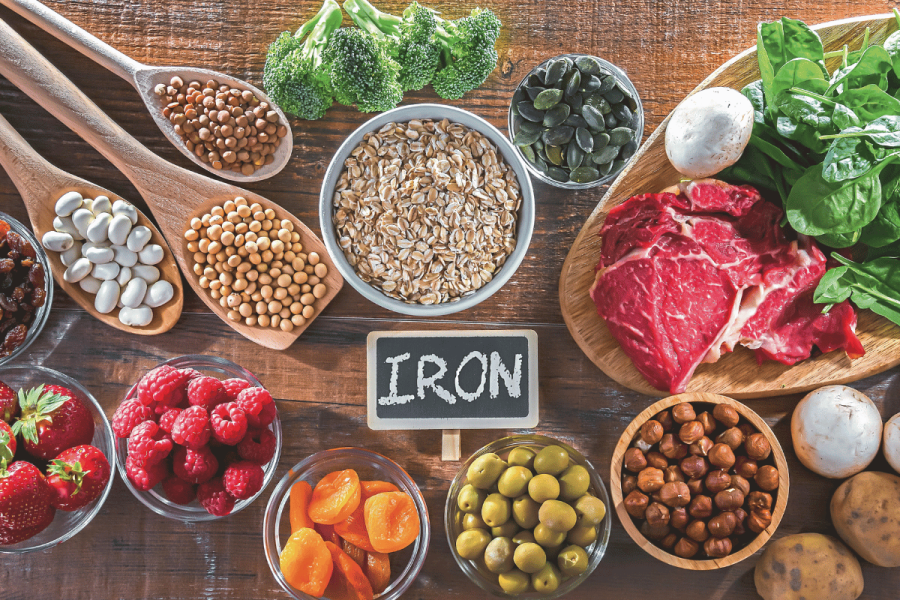
Improving iron levels often starts with diet. ‘The best sources are animal products, particularly meat, as they contain haem iron, which is easily absorbed,’ says Deborah. ‘If we eat beef, lamb or pork, the iron is ready to go and the body can use it straight away.’ Plant foods contain non-haem iron, which is less readily absorbed.
‘Non-haem iron needs vitamin C to be converted into a usable form, so vegetarians and vegans should consume vitamin C at the same time as their plant-based iron source,’ she advises. According to NHS guidelines, men aged 19-50 need 8.7mg of iron daily, while women of the same age require 14.8mg. Women over 50 are advised to consume 8.7mg per day.
Plant sources include leafy greens such as spinach, kale and broccoli, along with lentils, fortified cereals and dried fruit such as figs. Nuts and seeds – particularly sesame seeds – also provide iron. Pair them with vitamin C-rich foods such as red peppers, tomatoes, kiwis, blackcurrants, broccoli and cauliflower to enhance absorption.
The role of copper
This mineral plays a crucial supporting role. ‘Copper helps transport iron around the body,’ says Deborah. ‘We don’t need much, and it’s found in foods such as wholegrains, spinach, almonds, tuna and seafood.’ However, she warns against overdoing certain supplements. ‘Excessive zinc can lower copper levels. Someone taking high doses of zinc in winter to combat colds may deplete copper, which can disrupt iron transport and potentially contribute to anaemia.’

Watch your drinks
Even if your diet is iron-rich, certain drinks may interfere with absorption. Tea, coffee, dairy and some wholegrains can reduce how much iron your body takes in. ‘The tannins in tea, chlorogenic acid in coffee and the calcium in dairy can all inhibit iron absorption,’ says Deborah.
‘If you’re anaemic or vegan, avoid having tea or coffee with an iron-rich meal – leave a gap of around two hours.’ For meat-eaters, men and post-menopausal women, an occasional cup of tea or coffee alongside meals is less likely to have a significant impact. ‘Most people absorb nutrients well, but if you have low iron, these small details can make a real difference,’ she says.
3 to try…
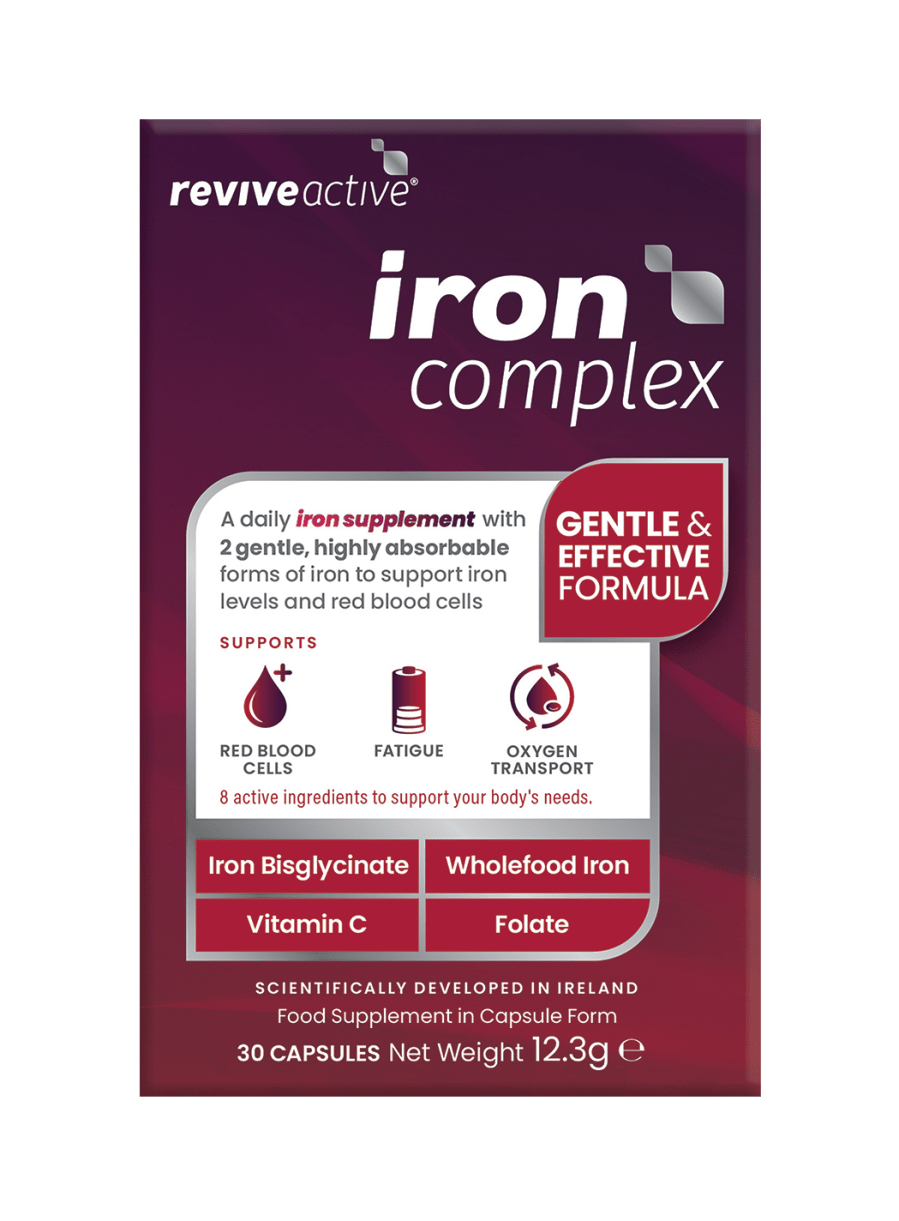
Revive Active Iron Complex (£21.95, reviveactive.com) features active ingredients that combat issues around absorption, providing 20mg of two highly absorbable forms of iron that are gentle on the stomach: iron bisglycinate and wholefood iron from buckwheat. Vitamin C, B vitamins and copper further enhance absorption.
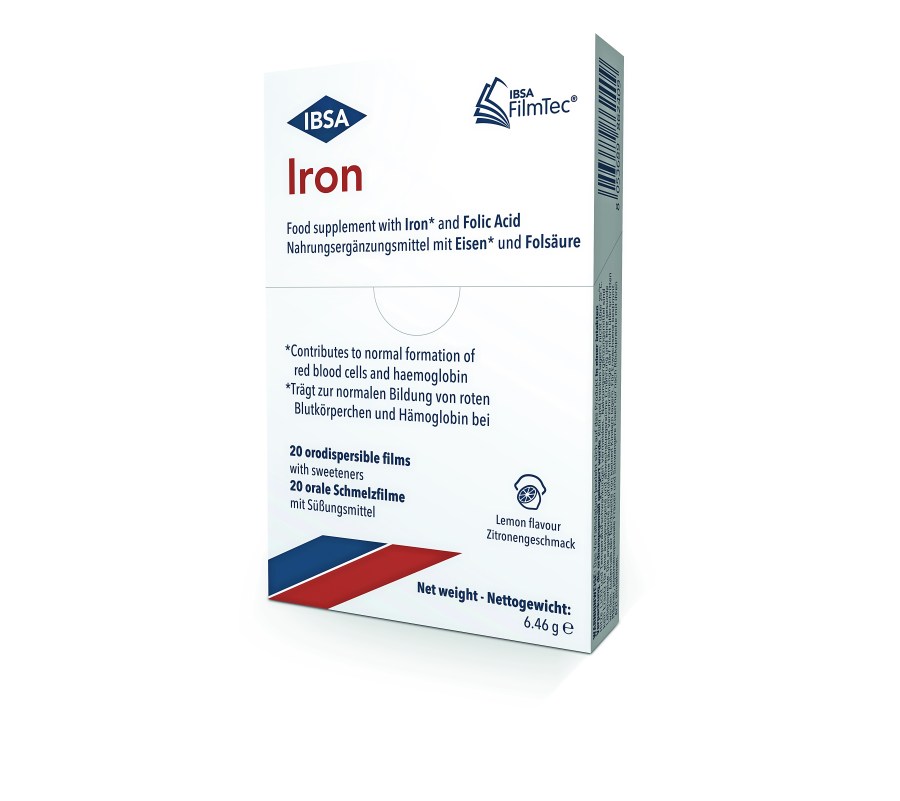
IBSA Iron Orodispersible Film (£17.99, ibsacare.co.uk) offers a gentle way to supplement iron. Each lemon-flavoured strip dissolves on your tongue, no water needed, delivering iron and folic acid with fewer stomach side effects than many tablets.
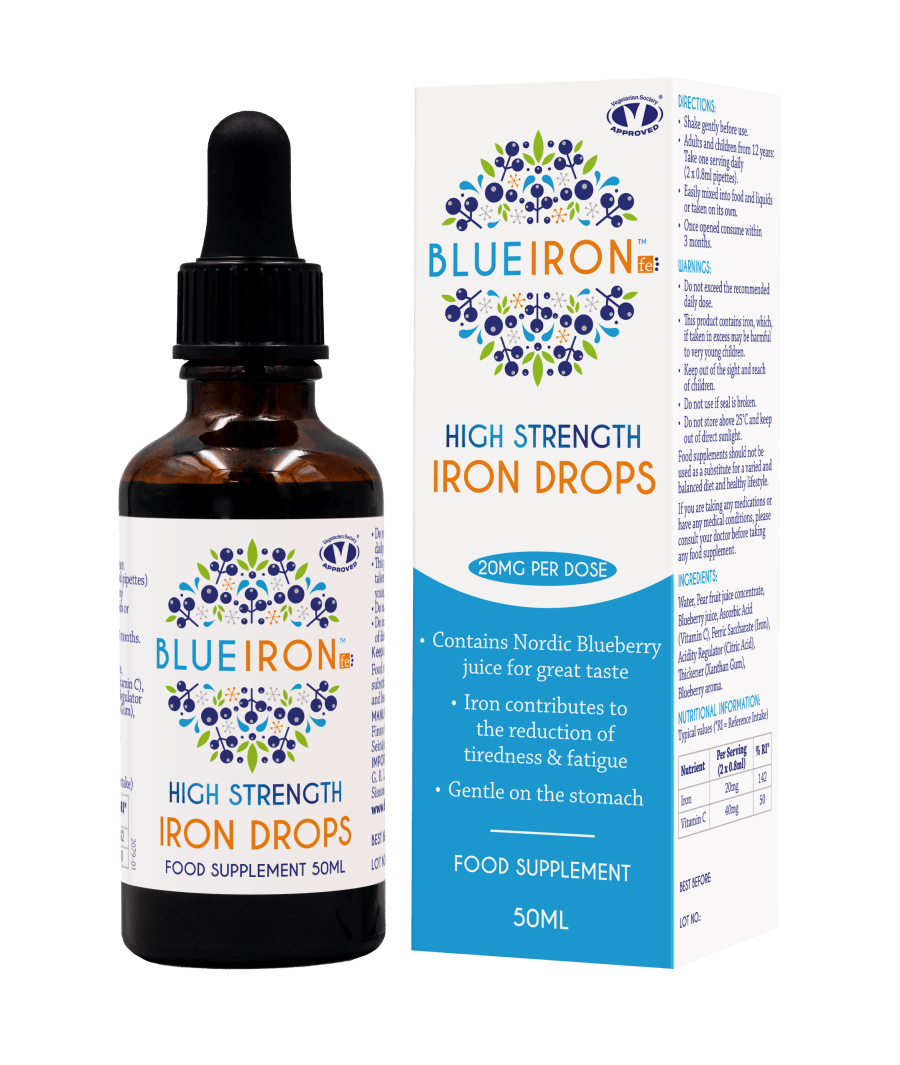
BlueIron (£15.99, superdrug.com) is a liquid made with wild Nordic blueberries; just one dose provides your full recommended daily intake of iron, which contributes to the reduction of tiredness and fatigue and the normal function of the immune system.
Deborah Grayson is a pharmacist and nutritional therapist at Digestion with Confidence. Find out more at digestionwithconfidence.co.uk.