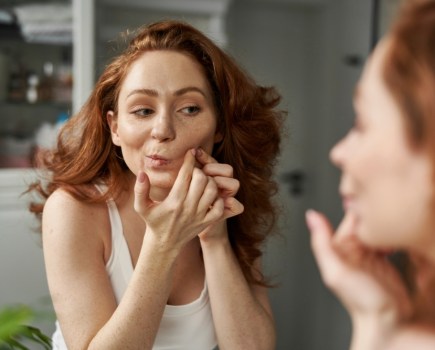


Not just exclusive to body-conscious teenagers, eating disorders in midlife are increasingly developing. Sharon Hendry investigates why it could be linked to changes due to menopause
Words: Sharon Hendry | Images: Shutterstock
Millions of menopausal women have a better understanding of their bodies thanks to an open public dialogue that has gathered pace over the past decade. Celebrities including Davina McCall, Gabby Logan, Oprah Winfrey and Angelina Jolie have joined forces with women everywhere to open up conversations about symptoms such as hot flushes, headaches, sleep problems, mood changes, thinning hair, dry skin and night sweats.
However, to date, one symptom of perimenopause – the transitional period before menopause – and menopause remains dangerously in the dark: eating disorders.
Kerrie Jones is a leading psychotherapist in the treatment of eating disorders and the CEO and founder of Orri (orri-uk.com), a specialist eating disorder clinic in London that provides intensive day treatment and outpatient services, including online treatment, for those aged 16 and over. Kerrie has seen an increase in older people seeking treatment over the past 15 years, including middle-aged women struggling with menopause. ‘Eating disorders develop due to a variety of different reasons, but we often see them triggered during transitional phases. This can be anything that symbolises a critical junction in someone’s life and might include becoming a new parent, being made redundant, going through a divorce, or saying goodbye to children leaving for university. Menopause also represents a transitional phase in someone’s life. It can be welcomed by some but cause enormous difficulty for others,’ says Kerrie.
‘Perimenopause often lasts from age 45-55 and can cause many body and hormonal changes, including fluctuating weight and mood. As a result, women can become more critical of their bodies and uncertain about the changes taking place.’
According to Kerrie, who also lectures on Attachment Studies at Roehampton University, eating disorders develop as a way of coping with anxiety. ‘Whilst we might recognise that it is not healthy or sustainable as a long-term solution, the function of the eating disorder can be to provide distraction from difficult thoughts and divert attention away from overwhelming emotions or emotional experiences.
‘Strangely, it can provide a sanctuary, a sense of safety when all around the person feels out of control or uncertain, as it manages the fear that accompanies feelings of uncertainty, powerlessness and inconsistency,’ says Kerrie.

Becoming obsessive
‘Often, people with an eating disorder describe the need to have a sense of order, or safety, and food management can provide the scaffolding for this. Becoming heavily preoccupied with food is both mentally and practically time consuming. It creates activity, e.g. shopping for certain foods, preparing them, planning what to have and when, and for those bingeing and/or purging, a huge amount of emotional energy and time can be taken up with this process.’
Research now highlights the link between eating disorders and menopause, with some studies suggesting that maladaptive patterns can be triggered by a hyper-sensitivity to the hormone oestrogen.
Menopause replicates puberty, in a way, which is another critical time for eating disorder presentations. It is also believed that up to 50 per cent of women are on a diet at any given time, and a 2004 report by data analysts at market research company Mintel revealed that two in every five women are on a permanent diet.
Some eating disorders can become hidden in plain sight as part of faddish eating habits or diets. Kerrie says those following a restrictive food regime ‘might be cutting out entire food groups (such as carbs or fats) and become obsessed with good, bad, healthy or unhealthy foods.
‘For some, becoming vegan or vegetarian, or following a diet that restricts certain food types, can be a means of removing fear foods, and this can become a source of tension or confusion to those around them. They might also be compensating for anything they eat by over-exercising or taking frequent trips to the bathroom to purge any food eaten by vomiting or taking laxatives.’
Numbing emotions with food
Dr Romi Ran, a clinical psychologist specialising in working with people with food, eating and body-image issues, has observed how binge eating can serve as a coping mechanism for emotional distress and provide temporary comfort and escape from underlying issues such as stress, anxiety or depression. Her book Bite Sized Peace: Change How You Eat. Accept Your Body. Transform Your Life. (£10.99, Amazon), aims to empower people to overcome these challenges.
‘Binge eating can emerge during significant life transitions, such as the emotional and physical changes women experience during menopause. Food becomes more than sustenance in these scenarios; it turns into a friend, a comforter, and a means to numb feelings,’ says Dr Ran.
‘Individuals prone to binge eating usually exhibit characteristics such as low self-esteem, perfectionism and impulsive behaviour. They might also have experienced trauma or emotional neglect. These individuals often feel out of control in various aspects of life, leading them to seek control through food in an unhealthy manner, or to find solace in the immediate gratification that food provides.
‘In many cases, they also struggle with expressing their emotions and needs effectively, causing a reliance on food to cope with unspoken feelings and unresolved conflicts.’
Dr Ran recommends improving one’s relationship with food by starting with small, manageable steps. ‘Mindfulness is a key approach – being fully present during meals and savouring each bite helps you recognise the body’s fullness signals, thereby reducing mindless overeating. It’s also crucial to acknowledge and address the emotional roots of eating patterns, as this understanding is key in fostering a more balanced relationship with food.
‘Additionally, it helps to identify emotional triggers that lead to bingeing, and develop healthier coping mechanisms, such as journaling, physical exercise or engaging in hobbies.
‘Cultivating self-compassion is equally important,’ continues Dr Ran. ‘Treating yourself with the same kindness and empathy as you would a good friend can help break the cycle of guilt and self-criticism often associated with binge eating. Finally, seeking the guidance of a professional provides tailored support and strategies for those struggling with their eating habits.’