



Some medications are undoubtedly lifesaving, yet many people end up on one or multiple meds for years, often decades, without realising the long-term consequences. Dr Siobhan Brennan shines a spotlight on some little-known issues surrounding medications and why they might deplete your body of certain essential nutrients.
Words: Dr Siobhan Brennan for Viridian Medication & Nutrition Report 2025. Images: Shutterstock.
Almost half the UK population takes some kind of medication regularly. From short-term pain relief to managing a long-term health condition, use of prescribed medications is rising.
In England, the NHS spend almost £10 billion annually on medication and often it is the first option to help alleviate symptoms. Much of the need for medications is to support long-term health conditions, such as diabetes, high blood pressure and high cholesterol. In 2021, 40 per cent of adults aged 16 and over had at least one longstanding illness or condition.
While all medication comes with a patient information leaflet listing the potential side effects, rarely do they detail the impact on nutritional status. However, there is growing evidence showing medications can affect how the body absorbs, metabolises, or excretes nutrients. This can often lead to nutrient deficiencies, which may exacerbate symptoms and in turn cause other health problems.
Research shows that chronic diseases which are often associated with ageing can be linked to nutritional imbalances. While anyone taking medication can be affected, the elderly are especially at risk of medication-related nutrient deficiencies because they often take multiple medications at the same time and may have a lower tolerance for adverse effects.
Additionally, they often have decreased appetite, which is an added burden. It is important to be aware that certain nutrients can also have an impact on how medications work so taking supplements may reduce the effectiveness of medication. Always declare what supplements you are taking when starting medications and always check with your medical practitioner before starting any new supplements or herbal extracts.
Patient information leaflets will answer some questions, but your pharmacist and doctor will be able to better advise you on your relative risk of side effects to the prescribed medications but also of any potential interactions with supplements and risk of nutritional deficiencies too.

Ageing with a chronic medical condition brings its own risk factors and often the risk is individual to you and your medical history so being aware of these risks is important. Some of the common ways medication impacts nutrition include:
Decreasing appetite: Some medications can cause nausea, vomiting or an unpleasant taste, which can lead to insufficient food intake and therefore nutrient status.
Decreased nutrient absorption: Some medications can make it harder for the body to absorb certain nutrients.
Interfering with nutrient use: Some medications can change how the body metabolises nutrients meaning higher quantities might be needed.
Interfering with nutrient excretion: Some medications can increase or decrease the rate at which the body processes and excretes the nutrients, e.g. through urine.
A cause of chronic conditions?
Long-term conditions, also known as chronic conditions, are health issues that have lasted or are expected to last more than 12 months. They can affect many aspects of life, including work, relationships and finances.
Medication is a common intervention to help alleviate the symptoms of long-term health conditions, however, the long-term use of prescription and over the counter (OTC) drugs can cause vitamin and mineral deficiencies, which may develop gradually over months or even years. Unfortunately, symptoms may not be clearly or obviously connected to a nutrient deficiency, which may lead to the deficiency being attributed to other conditions or the ageing process.
Medication-induced micronutrient depletion could be the origin of otherwise unexplained symptoms. Many long-term health conditions are strongly linked to diet and lifestyle. Eating an ultra-processed diet and doing little exercise has been shown to have a major contributing effect. There is truth and worth in the phrase “love yourself”.
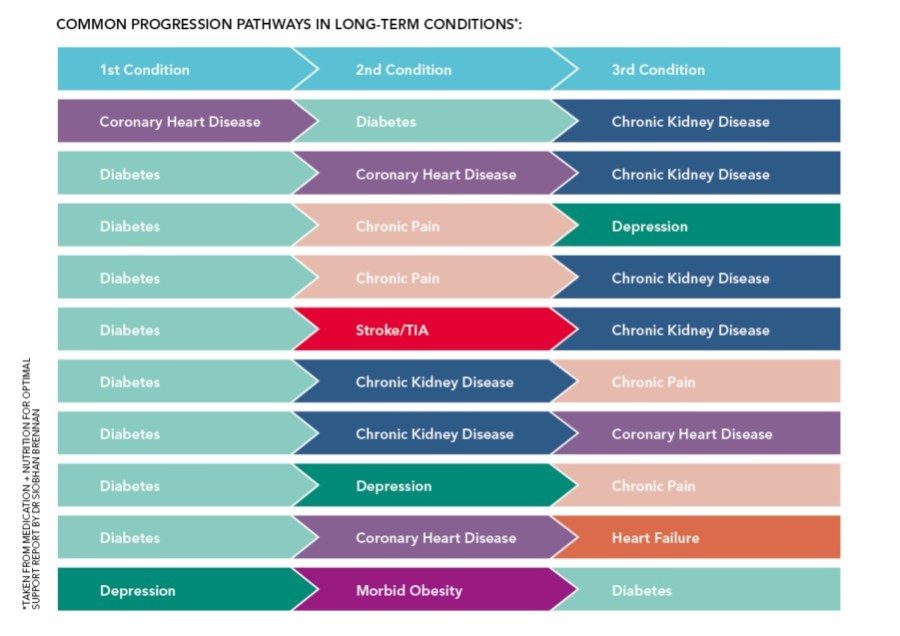
Research shows that investing in eating well, maintaining optimal nutrient status, taking exercise, building social connections and meditating can help us live longer, healthier lives. Conversely if we ignore this, it’s clear that one long-term health condition can often lead to multiple others, one of which is type 2 diabetes.
High sugar levels in your blood over a long period of time can damage your blood vessels, restricting blood flow to parts of the body. This can lead to complications such as heart, eye and foot problems, nerve damage, kidney disease and more. Keeping blood sugar under control will significantly reduce your risk of developing complications.
With one long-term health condition often leading to, or co-existing with others, it’s not difficult to see how the number of medications taken can easily expand, increasing the risk of nutrient depletion further.
Dr Siobhan Brennan qualified from the National University of Ireland as a doctor and has been a GP for almost 20 years. Her speciality interests are the menopause and mental health but also nutrition and lifestyle medicine. She is a keen ultrarunner and is often seen with her children in the mountains. Dr Brennan is an ambassador for vitamin company Viridian.