


With the darker nights and falling temperatures upon us, medical herbalist Corin Sadler shares her top herbal tips to stave off colds and strengthen your immunity.
Words: Corin Sadler. Images: Shutterstock.

ECHINACEA
Perhaps one of the most well-known herbs, especially for immune health, this purple-pink flowered plant has been used traditionally by Native Americans and across Europe for treating infection of all types. Today’s clinical research shows it to be beneficial for the common cold and flu, but also for helping manage urinary infections. Studies suggest it can reduce both symptoms and the duration of the common cold, while also lowering the chances of catching a cold.
It is also often used for supporting the immune system in helping prevent more acute infections from taking hold in the upper respiratory tract, or the nose and throat area. It has anti-viral effects but also seems to be more generally immune supportive.
Its key constituents are the alkylamides, which cause a characteristic tingling on the tongue when taking it in tincture form, but it has numerous other active constituents that work in different ways to deliver its benefits.
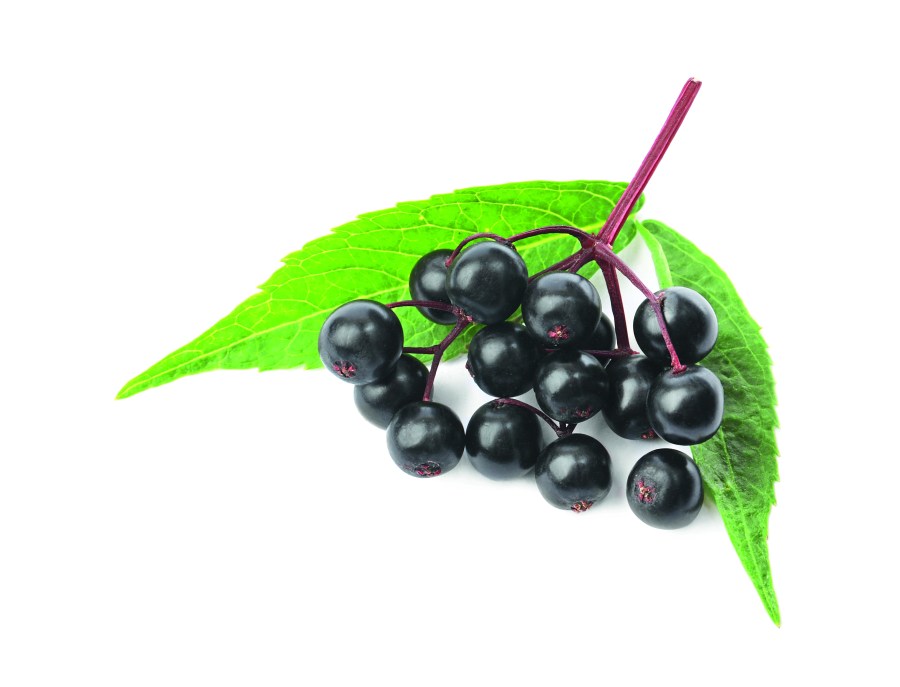
ELDERBERRY
This deep purple berry is one of the most commonly used medicinal herbs in the world. Inedible as a raw berry, it is often made into syrups and traditionally used for soothing sore throats and treating viral infections including coughs, colds and flu. Studies show its ability to reduce coughing, nasal congestion and mucus in flu infection. It may also reduce the duration of the common cold by up to two days.
These effects are thought to stem from its naturally occurring oligomeric proanthocyanidins or OPCs. Choosing a supplement based on glycerine is a good way to take this immune-supporting berry, especially for children. Glycerine has demulcent properties, meaning it helps soothe and protect inflamed or irritated tissue, which is perfect for those with sore throats.
It can also be taken as a capsule or in a spray format blended with other soothing herbs such as marshmallow, which, like glycerine, has demulcent properties.
TRY IT: Organic Elderberry & Vit C Extract (£24.35, viridian-nutrition.com)
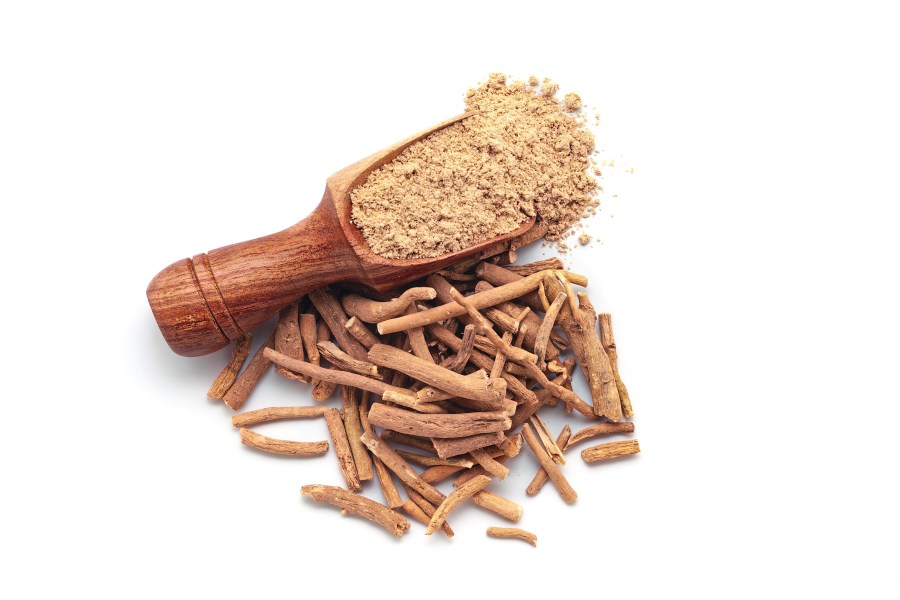
ASHWAGANDHA
Perhaps not the most obvious choice for supporting immune health, the immune benefits of ashwagandha come from its adaptogen properties. This means it has an ability to strengthen the immune system by helping the body to respond to physical, mental and emotional stress. Chronic stress has an immune-suppressing effect, making us much more vulnerable to infection. Adaptogens improve the body’s non-specific defence response.
Ashwagandha has been studied for its effects on the immune system and has been shown to increase “natural killer cell” activity, cells involved in the body’s rapid response to infection, like viruses. In our modern lives, stress is common, and so supporting the body with an adaptogen can be a great idea, especially if the stress is ongoing.
Ashwagandha can be taken on its own, in combination with other adaptogens like Siberian ginseng and rhodiola, or alongside other more commonly used immune supportive herbs.
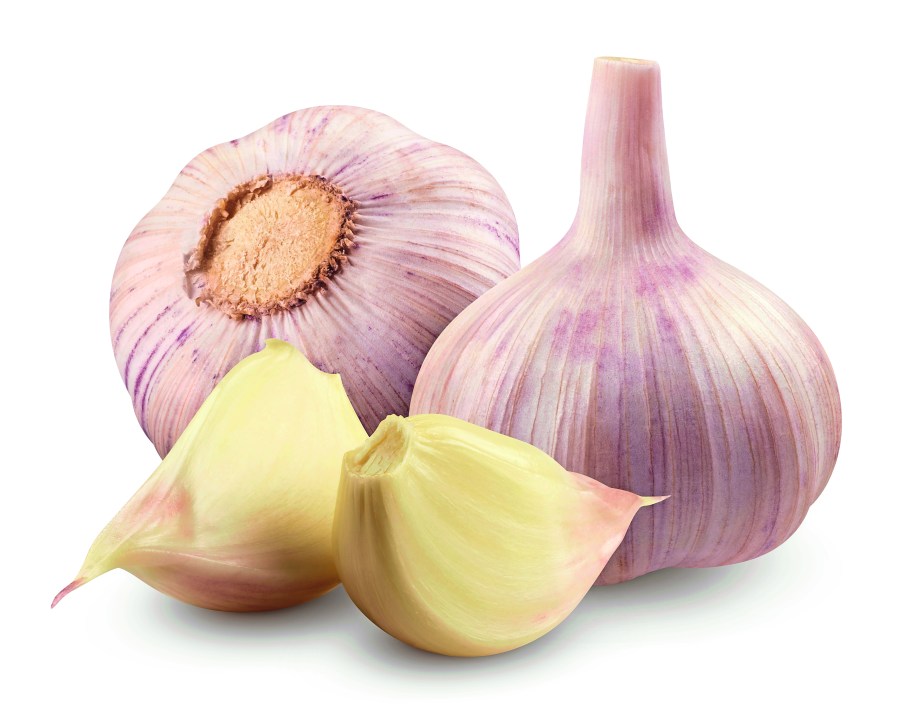
GARLIC
We think of adding garlic to our cooking, but it has been used for centuries for its beneficial effects on immune health. Not for the faint-hearted, hardcore fanatics swear by eating a clove of crushed garlic daily to keep their immune system strong! Its characteristic pungent smell and taste come from its numerous sulphur compounds, but it is these which are responsible for many of its health benefits too.
Studies suggest garlic has anti-viral action and may lower your chances of catching flu or a common cold. It can also reduce severity and duration. These effects are thought to be from its ability to block both viral entry into cells and viral replication, and its ability to encourage the immune system to respond when it encounters a virus. To harness its effects without the garlic breath effect, try supplementing in capsule form. For more of a decongestant effect, try it in combination with horseradish.
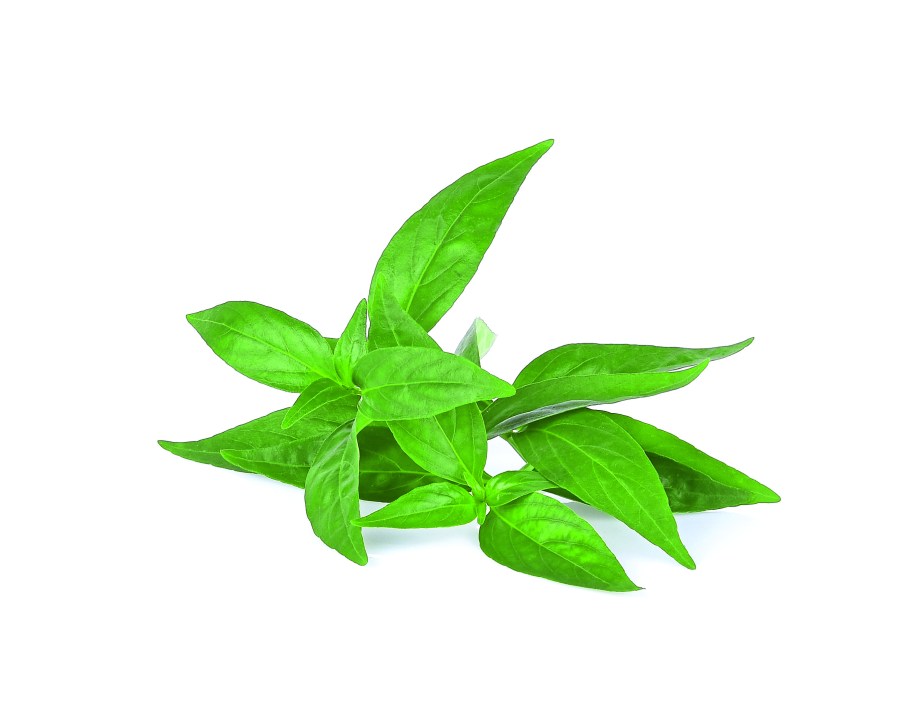
ANDROGRAPHIS
Traditionally used in both Ayurvedic and Chinese Medicine for reducing fever, coughs and colds and as a recovery tonic, andrographis has been shown in studies to help prevent common colds when taken during the winter months. It is also helpful for relieving symptoms of the common cold. In addition to easing sore throat and nasal congestion, it reduces the tiredness that often accompanies a cold.
This extends to respiratory illnesses too, where it reduces duration of infection and helps relieve symptoms when taken at the onset. These effects are thought to be linked to its main actives, the andrographolides, which have anti-viral properties. It has a very bitter taste, so taking it in capsule form is often more palatable.
For those who suffer from recurrent infections, it can be excellent paired with an adaptogen such as ashwagandha or rhodiola.
TRY IT: Andrographis Complex (£26.20, viridian-nutrition.com)
Corin Sadler BSc, DipION, FDSc, is a medical herbalist and senior nutritionist at ethical vitamin company Viridian Nutrition (viridian-nutrition.com). She has a degree in clinical herbalism, and a diploma and foundation degree in nutritional therapy.