

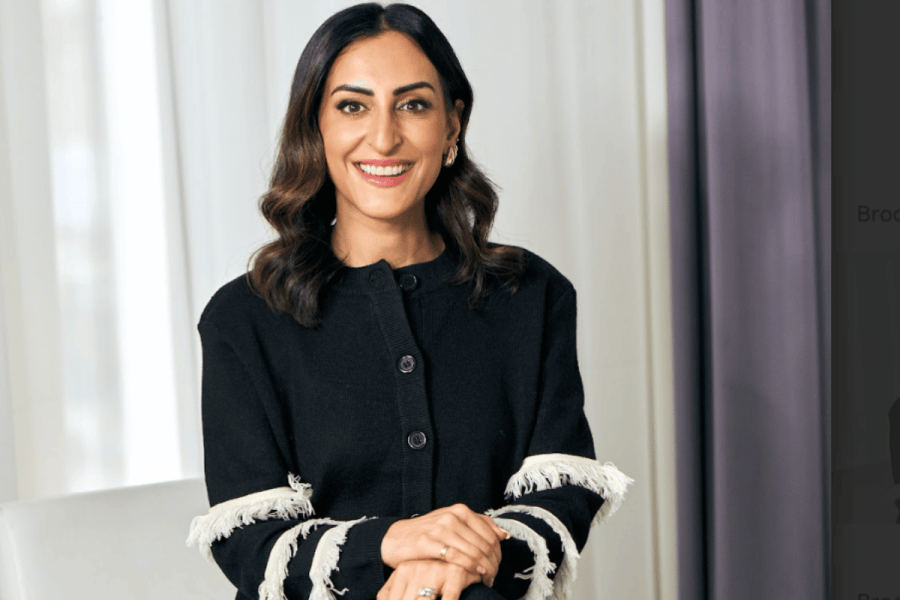
In the October issue of Top Sante, Dr Punam Krishan talked exclusively to Joanna Ebsworth about her shock at being diagnosed with breast cancer at 42. Now, in part two of that interview, the resident doctor on BBC Morning Live discusses the importance of regular breast checks for early diagnosis, trusting your gut, and advocating for your health.
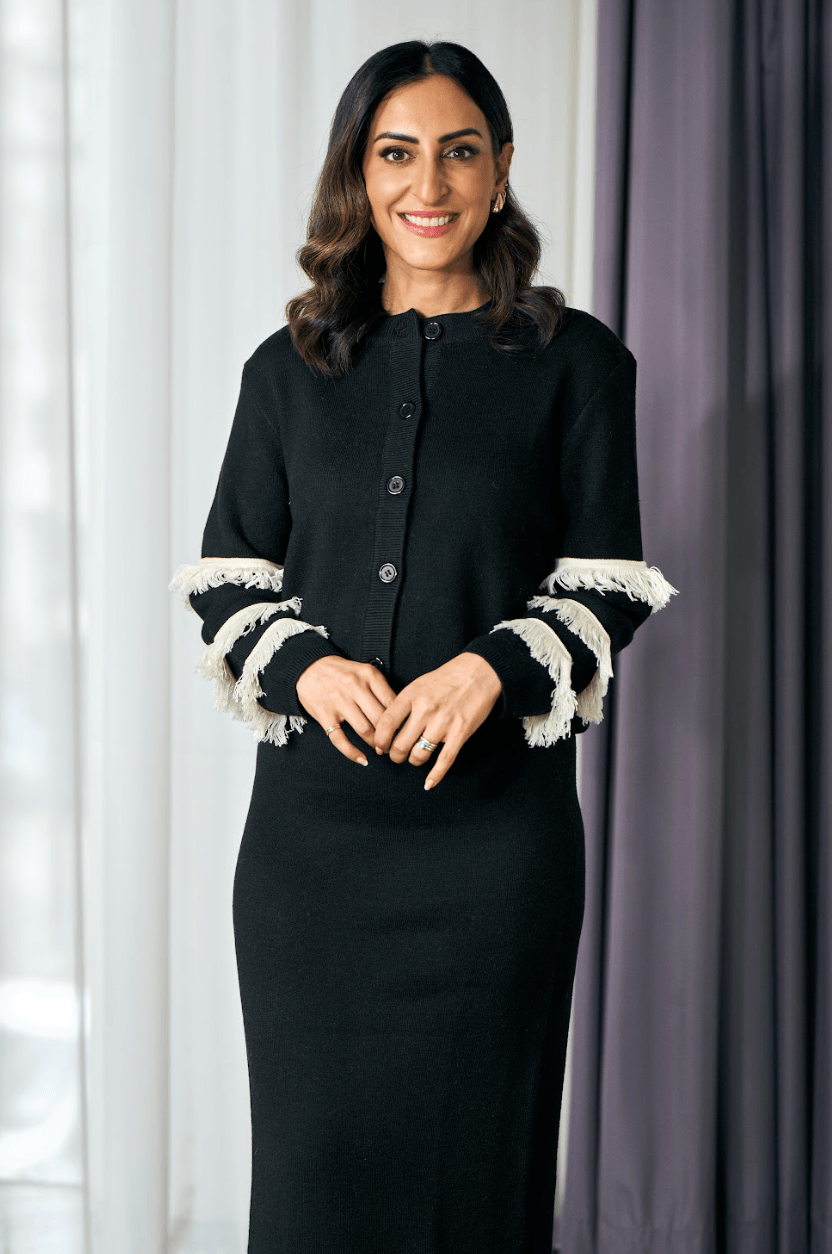
Dr Punam photos: Tom Pitfield Photography
People say I looked the picture of health when I took part in Strictly Come Dancing. But do you know what? A few months ago, my consultant actually said to me that because the type of tumour I had was a slow growing tumour or something like that, I would have had that tumour when I was appearing on the 2024 series. And that just sent chills down me. I think the difficulty is that a lot of people assume when you find cancer, it’s going to announce itself very dramatically – that you’re going to feel this big lump and that’s going to be it. But actually, for me, it was very subtle.
Even though I felt completely well in myself, I just knew that something wasn’t right. I had a funny ache, like a discomfort in the left side of my chest and to my arm. And it was just a pain that didn’t feel normal for me. That said, cancer didn’t enter my mind. My mind went straight to wondering if it could be my heart. You know, I’m forever telling women, ‘Don’t ignore heart symptoms!’ But because it persisted, and it wouldn’t go away, I decided to take my own advice and visit my GP to get it checked out.
I did all the typical things so many women do when they see their GP. I sat down and said things like, ‘Sorry to take up your time. I’ll be really, really quick. It’s probably nothing. I’ve got a family history of heart diseases. Could it be that?’ After she examined me, she agreed that something didn’t seem right, and she then referred me to the breast clinic. And thank goodness that she did. I think it’s great when a doctor honours intuition and listens when a woman says, ‘Something doesn’t feel normal for me’. Thankfully, my GP listened and acted on her own hunch, and she went on to save my life.

Please do not worry that you’re wasting your GP’s time, and don’t apologise. Just remember, the earlier we can pick up on things, the better! Nine times out of 10, it isn’t anything to worry about, and most symptoms we investigate don’t turn out to be cancer at all. But that’s not something that you should have to decide for yourself at home. That’s our job! Another issue we can end up falling victim to is missing a screening appointment when something else comes up. Women can get incredibly good at looking after everybody else’s health as they quietly move their own needs further and further down the list. But we need to get better collectively at going, ‘No, I’m going to get that checked out’. I always say to mums, ‘Would you put this off if this was your child? No, you wouldn’t, so treat yourself the same way.’
Being caught in that ‘sandwich generation’ is having a real impact on women’s health. It’s something I speak about in my book, The Mother Load, because women in their 40s and 50s are so busy trying to look after ageing parents while raising children, climbing those ladders at work and negotiating perimenopause, and it can become really easy to just dismiss or minimise any symptoms that your own body is going through. We’re all guilty of it. But I’ve made it my life’s work to say to every woman, ‘You are the most important thing. You arethe main character of your story. If something has changed in your body, or you’re worried about a symptom, or you have a gut feeling, then you need to just book that appointment rather than pushing it back to your mind, because you just never know.’
Dr Punam Krishan on….the NHS breast screen programme
I work in the NHS, and I guess the NHS breast screening programme is designed for people who don’t have symptoms.In Scotland, we routinely offer mammograms to women every three years between 50 and 70. But if you are younger than that, and you have got a strong family history, remember that you can absolutely speak to your doctor to relay that information. In turn, we can refer you for earlier scans, especially if you’ve got a strong maternal family history. Ultimately, if you are worried and you’ve noticed a change in your breast, you will get referred to the breast clinic.
Dr Punam Krishan on….investing in a private breast screening
I know it’s not accessible to everyone, of course, but if symptoms or worries are keeping you up at night, or if it’s something that you’re really anxious about and you’ve got means to do it, then yes, go book yourself a private appointment if you think that will help for you. That said, I do believe that if you have any concerns about your individual risk, you can always just discuss it with your doctor, because everything is individualised. Many a time, I’ve had women come in with strong family histories of breast cancer and it’s been a no-brainer to refer them to get seen if they’ve felt something different.
Dr Punam Krishan on….regularly checking your chest
The most important thing anyone can do is to get to know what’s ‘normal’ for your own breasts and chest. And there isn’t one perfect way of checking. People get very hung up on how to check, but you don’t need to obsessively examine yourself. It’s just about looking and feeling regularly enough that you become able to recognise when something has changed, so I would recommend once a month. Just set an alert on your phone or write it in your diary – ideally not in the week before or after your period because our breasts can get lumpy around that time – and just have a feel in the shower, or in bed at night, or whatever is comfortable for you.
Dr Punam Krishan on….the breast changes to look out for
Once you get to know your normal, you’ll be able to pick up on a change very quickly, such as a new lump, an area of thickening, a change in the size or shape of a breast, or any swelling at all in the breast or the armpit. Also, have a look in the mirror when you get out of the shower, and always have a good look at the skin around the breast area for any dimpling or any changes to the nipple, including discharge. Finally, don’t neglect to take note of any unusual pain. I think a lot of people neglect that symptom, but it’s important to get any pain that is different for you checked out.
Dr Punam Krishan on….knowing your family history
I would always say that it’s important whenever you’re with family to just find out a bit about your family history. Not just your mum and dad and your siblings, but also your aunts, uncles and grandparents. Knowing your family history is very, very important when you’re speaking to your doctor, because it often gives us clues if there’s been any breast or ovarian cancers, particularly when that pertains to multiple relatives or diagnoses at younger ages. If you let your GP know, we can also decide whether it’s appropriate to refer you for a formal family history or genetics assessment.
Dr Punam Krishan on….asking your GP for help
The most important thing you need to know is that you should never feel embarrassed or apologetic when you speak to your doctor. Just go and speak to them! We don’t need any fancy terminology, and you can always ask for a female GP if that makes you more comfortable. Speaking from very personal experience and as a GP, I would say you know your body best. So, if something has changed, don’t let fear, embarrassment, age or busy life stop you from asking for help.
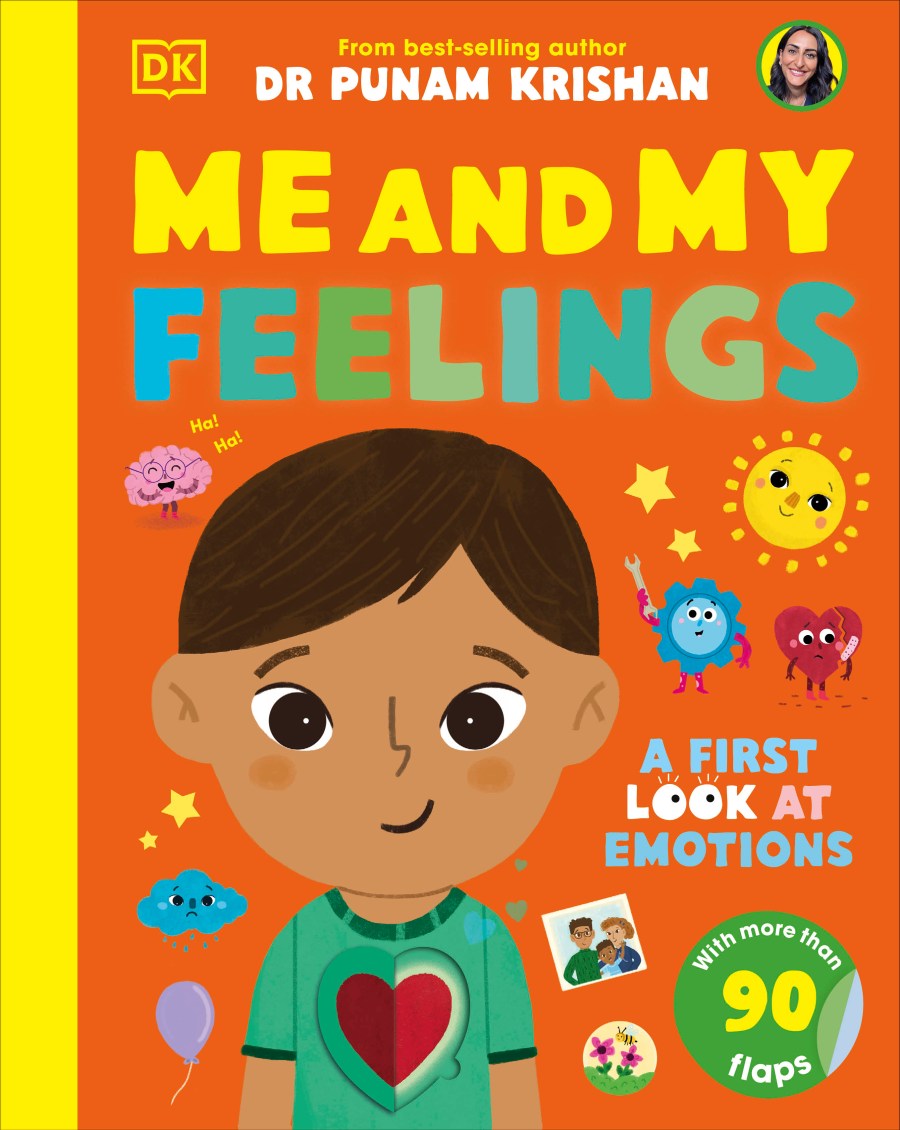
Me and My Feelings by Dr Punam Krishan – illustrated by Verónika Cháves Morales and published by DK – is available from 1st October in all good bookstores and online.