

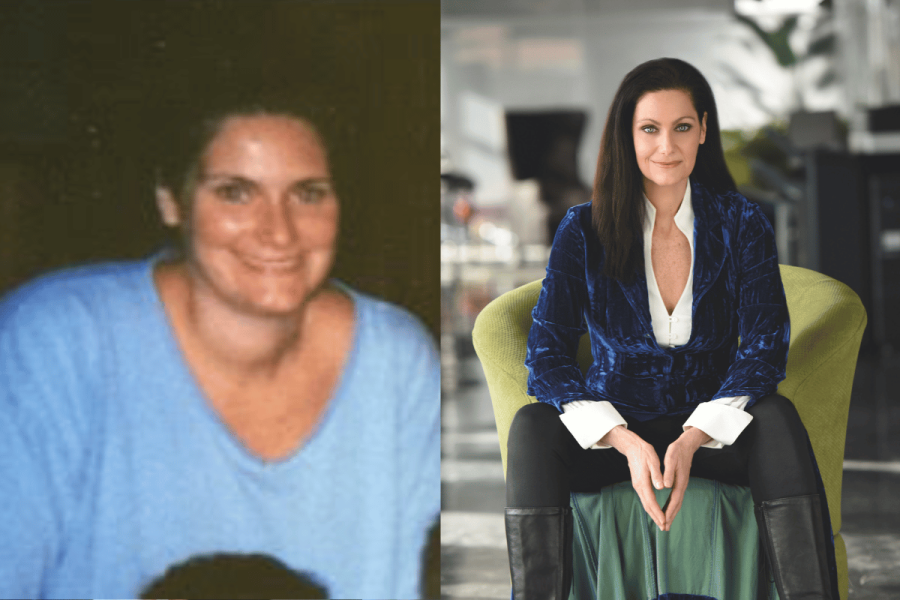
Amy Freinberg-Trufas, 57, from upstate New York in the US, shed 10.5 stone through a process of eating healthily, as well as showing herself love and compassion. Here’s how she did it.
Words: Amy Freinberg-Trufas. Photographs: Eat with Ease Publishing.
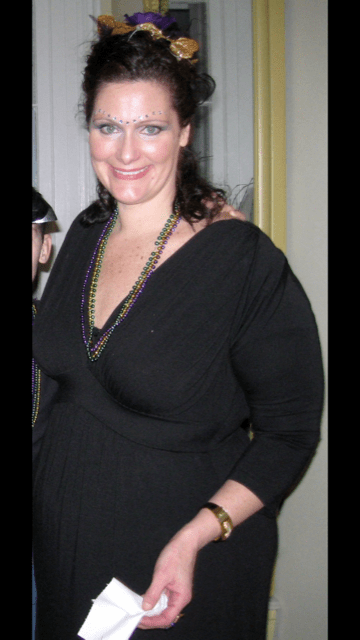
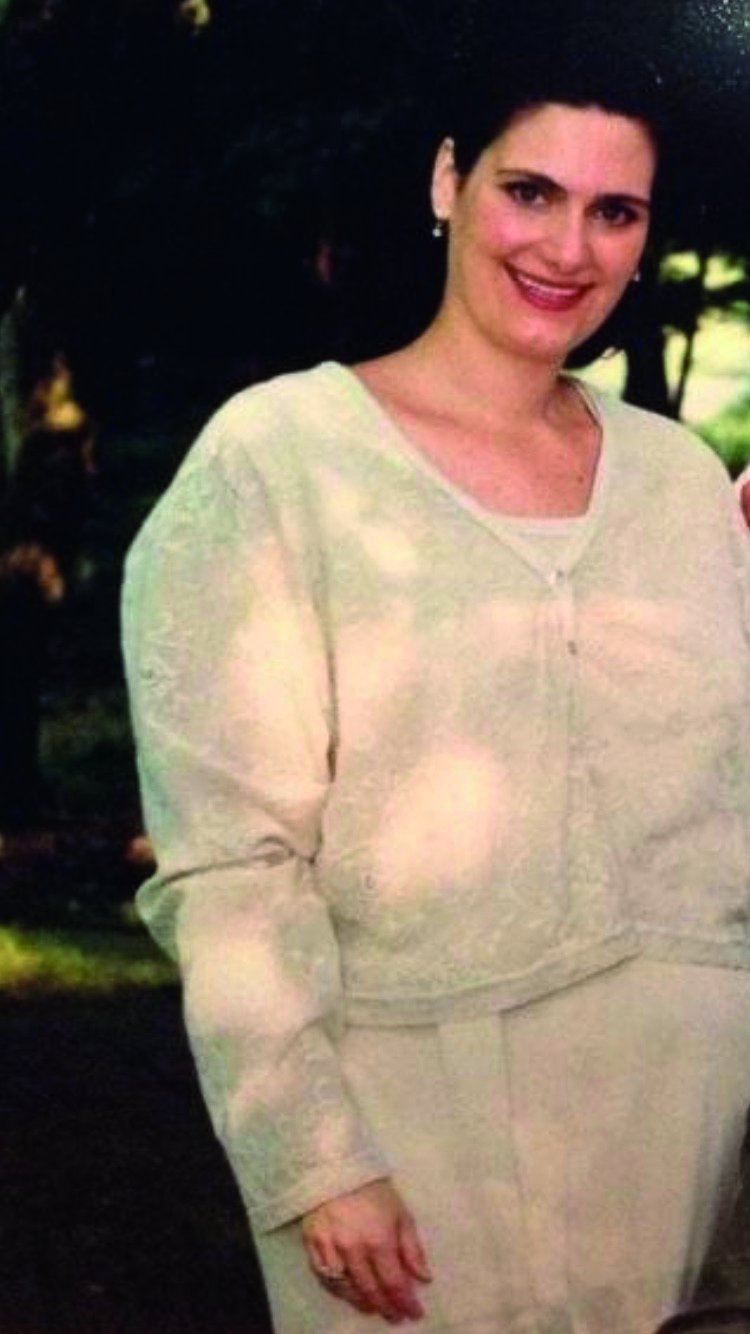
I’d been overweight all my life. And not just a little. I topped out at more than 300 pounds (about 21 stone), at which point I gave up on my endlessly failing diet struggle and stopped weighing myself.
Being so overweight prevented me from living the life I wanted to live. I didn’t go out much, and I never went to a beach or place where people would wear shorts or show skin, as the stares and whispers about my appearance were too much to bear. I said “no” a lot, when I very much wanted to say “yes!”.
Fast forward to my midlife years and most things were coasting along. I had a nice marriage, a great career and a beautiful son. Yet I was still morbidly obese: that was my clinical diagnosis.
One day my elderly father fell and ended up in hospital. At one point he asked to see my 13-year-old son, knowing it would be the last time they were together.
We thought he was recovering but he knew he wasn’t. My dad patted the side of his hospital bed and my son sat next to him. They made a little small talk, but things turned more serious. My dad looked lovingly at my son and said: ‘In life, it comes down to this: you’ve got to make the life you want. Be happy.’
New beginning
Although he spoke this advice to my son, it changed my world drastically. I took his words to heart and realised that I had to figure out how to finally lose weight and keep it off, so I could live the life I desperately wanted. I made a pact with myself about how I would start my weight-loss journey, which included these commitments:
- I commit to being patient and kind with myself in figuring this out.
- I commit to being curious.
- I commit to ending punishment and suffering around food.
- I commit to seeking help when needed.
- I commit to moving my body every day.
- I commit to diligently tracking my food and movement.
- I commit to finding a love tribe.
- I commit to purchasing items that help me create healthy new habits.
- I commit to keeping a journal.
Once I had these commitments sorted, I met with a nutritionist. She helped me calculate the numbers for my daily food and exercise goals. For weight loss, we decided on 1,400 calories a day, made of 50 per cent protein, 25 per cent carbs and 25 per cent healthy fats.
She gave me examples of foods that would meet these requirements. I love food, so it was important to find and create meals that I enjoyed. After all, punishment was out and the meal plan had to be sustainable to work long-term. So we chose good quality, whole foods, with quantities tracked and planned. I learned to make oatmeal taste like everything from lasagna to carrot cake. No kidding!
That is often more important, as most low-fat/low-cal foods are made of unhealthy ingredients. Processed and replacement diet foods are often junk and they don’t teach you how to eat better in the long term.
Curiosity and patience helped me to stay steady. Giving up was not an option, so I gave myself the sort of patience I would have towards a loved one embarking on a major life change.
Using food to cope
I soon started to realise my eating had been a stress response due to childhood trauma. It was a coping mechanism I used throughout my life that I didn’t need anymore. This awareness was huge for many reasons: first, up to that point, I considered myself a “fat loser” who couldn’t figure out how to eat well. That had been my internal dialogue for years.
But what now occurred to me was that I’d learned to use food to get through some tough situations as a child. I decided to thank all former versions of myself who reached for food to get through hard times. I surrounded the 10-year-old me with love instead of shame.
She did what she did to cope, but now I could make a new choice. I also discovered there’s a powerful moment between reaction and response.
Allowing myself time and grace after reacting but before responding meant I could shift my response to become more positive. Whereas before I just reached for food when I was triggered. What unfolded from there was a lot of self-love. Many times, I’d heard the phrase: ‘You just have to love yourself to get started’.
But where did this leave people who didn’t feel as if they could love themselves? I certainly didn’t. Instead, I worked out what you can offer yourself is a “why”. My why was to make the life I want and be happy. From there, I kept aligning the next choice, then the next, and just took it one moment at a time. If someone had told me at the start of the journey that I needed to know how to lose 150 pounds (10 stone), I never would have started.
It was a learning process and was all about taking one small step at a time.
Amy’s previous diet when she weighed 21 stone:
Breakfast: Peanut butter on white bread with diet soda. Also, sugary cereals with banana and milk.
Lunch: A sandwich or six-inch sub and a bag of crisps. I would eat mostly vegetables and cheese on my sandwich.
Dinner: Pizza, chicken, potatoes, vegetables, salad, pasta, take-out Chinese food.
Snacks: I always had a huge bag of M&M sweets around, as well as tortilla chips, crisps, and crackers and cheese.
Drinks: I was addicted to diet cola. One day I drank six cans. On a typical day I drank three.
Amy’s diet now that she weighs 11 stone:
Breakfast: Oatmeal, made by blending quick oats with sweet potato purée, brown sugar, cinnamon, clove, cardamom, salt and baking powder. I add ¼ cup of egg whites, blend and bake or microwave until done.
Lunch: Plain Greek yoghurt with fresh or frozen fruit and a little honey.
Dinner: Anything from a stir-fry with plenty of vegetables and lean protein (tofu, shrimp or chicken) to baked chicken thighs with sweet potatoes and veg, or turkey tacos on homemade oat flour tortillas.
Snacks: Baby carrots and hummus. I also love cottage cheese on a wheat cracker. Drinks: I make a gallon of sun tea and add lemon, lime, berries or peaches. I also keep a jug of filtered water around.
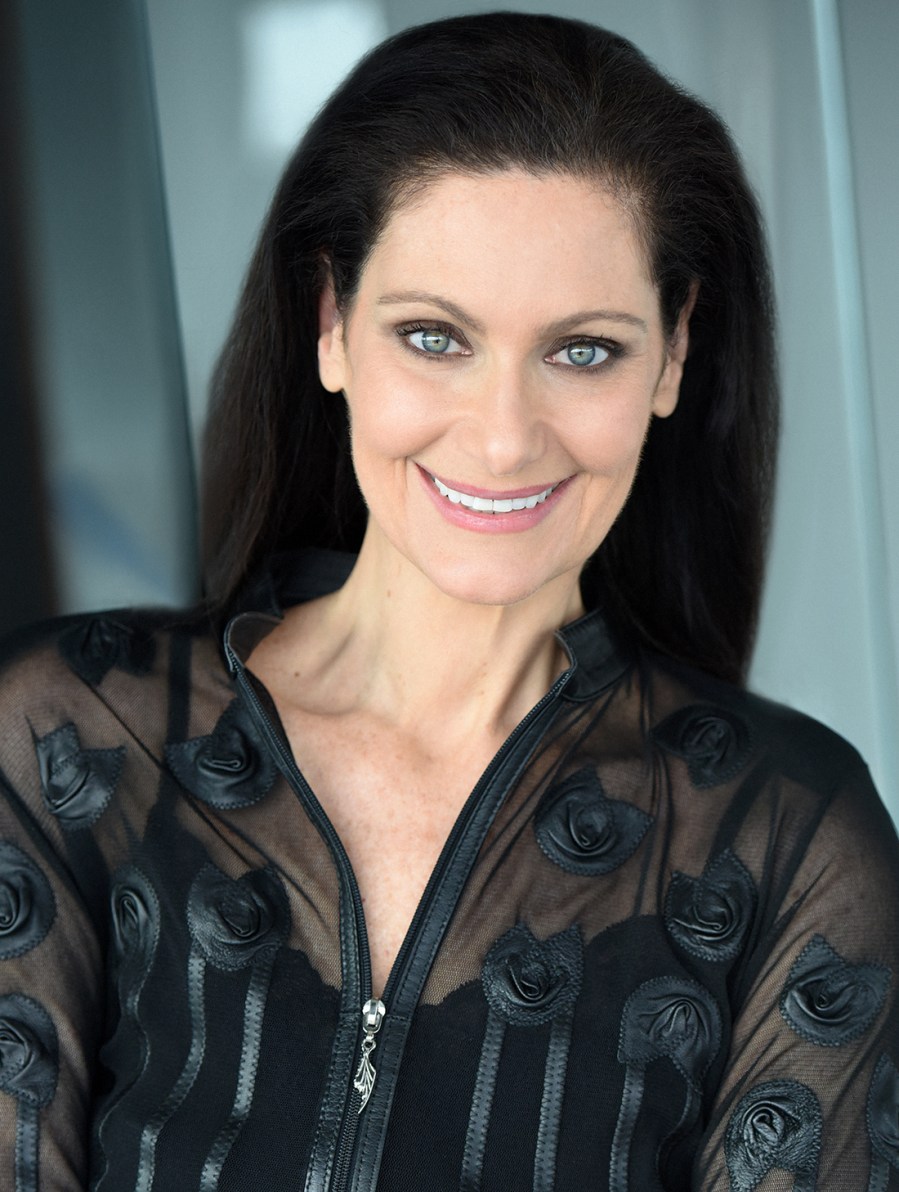
Amy’s 3 mindful steps to weight loss
Here’s how Amy was able to stay on track on her journey.
1. Stay curious.
When you’re in the middle of a situation that starts to trigger a quick response, question what you are actually feeling. This can be difficult at first, so I like to think about just taking two long, slow breaths and then asking myself, ‘What am I actually feeling here?’.
2. Journal your findings.
If you don’t have a journal, use the notes app on your phone to write the date, a description of the situation and what you felt. You’ll start to notice trends.
For example, you might see that any time you have a stressful project at work, you get the urge to snack mindlessly.
3. Practice flipping your response.
When you see what’s triggering quick, negative responses in your everyday life, you can begin to flip the script. If mindless snacking is your thing, the next time you get the urge to snack, take your two breaths, and ask yourself what you’re really feeling.
For example, I’m feeling stressed. I’m feeling overwhelmed. Okay, so I’m NOT hungry. I’m just stressed. Boom! Now you can ask yourself: what can I do to lessen my stress? Maybe breathe, meditate, go outside, walk for 10 minutes, stretch or chat to a friend.
Food: Eat with Ease Every Day by Amy Freinberg-Trufas (£11.96 paperback, Amazon) is out now.