
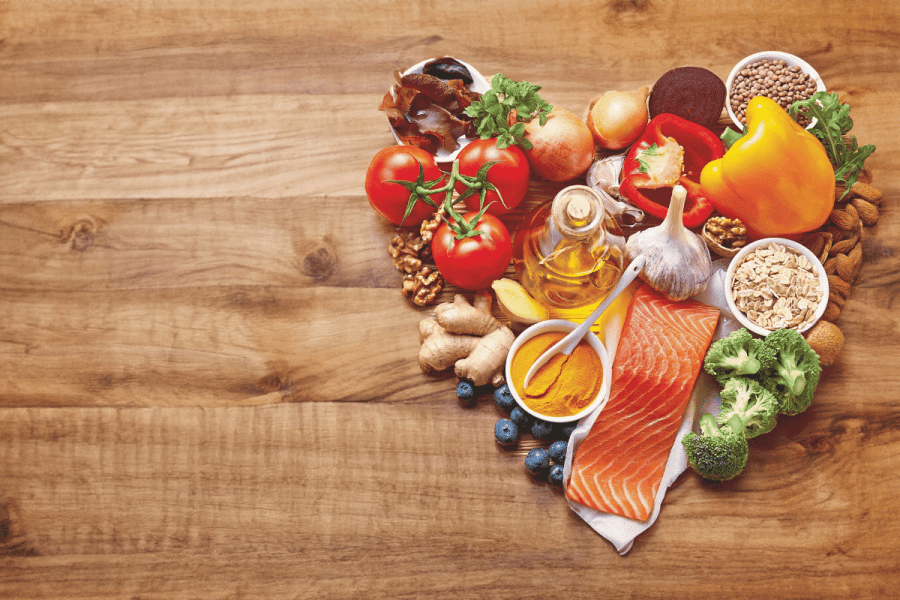

Registered nutritionist Rob Hobson shows us 5 ways to lower our bad cholesterol naturally with foods we already know and love — plus your heart-healthy meal plan for the week.
Words: Rob Hobson. Images: Shutterstock.
Cholesterol is a word that often comes up in conversations about heart health, but many people feel unsure about what it really means for them.
Understanding why raised cholesterol matters and how everyday food choices influence it is central to protecting long-term cardiovascular health. Cholesterol is a waxy substance the body needs for hormone production, vitamin D synthesis, and for forming bile acids that help break down fats. Most cholesterol is made in the liver and only a smaller amount comes from food.
Problems arise when LDL (low-density lipoprotein) particles become raised or when they are small and sticky and more likely to contribute to arterial build up.
HDL (high-density lipoproteins) on the other hand help clear excess cholesterol, so the balance between the two is important. Raised LDL cholesterol contributes to atherosclerosis, which is the gradual thickening and narrowing of the arteries caused by fatty deposits. This reduces blood flow and increases the risk of heart attack and stroke.
The condition develops silently, which is why early action is encouraged. The positive message is that cholesterol responds well to dietary change and improvements can often be detected within weeks. You cannot tell if you have high cholesterol based on symptoms alone. High cholesterol does not present with noticeable signs in the early stages.
Instead, high cholesterol is typically determined through a blood test. The following are ways you can help lower your bad cholesterol through the addition of certain food groups and some lifestyle tweaks here and there…
Think whole
A dietary pattern based on whole foods provides the strongest foundation for cholesterol management. Olive oil, nuts, seeds, legumes and soy naturally support heart health by supplying fibre, plant sterols, healthy fats and antioxidant compounds, while wholegrain carbs provide slow-release energy and essential fibre.
Oats and barley contain beta-glucan, which has been shown to lower LDL cholesterol when consumed daily. Fruits and vegetables are also whole foods in their natural state, and they provide vitamins, minerals and antioxidants that support vascular health and help reduce inflammation. Eating a range of colours increases the variety of protective compounds in the diet.
Functional foods to fill you up
Functional foods enriched with plant sterols offer targeted support for people with raised cholesterol. Evidence reviewed by EFSA (European Food Safety Authority) shows that a daily intake of 1.5-2.4 g of plant sterols can lower LDL cholesterol by 7-10 per cent.
Plant sterols help by reducing the transport of cholesterol from the intestines into the bloodstream, which lowers non-HDL cholesterol. They also influence cholesterol production in the liver by signalling that enough cholesterol is already present, which encourages the liver to make less. These combined effects help to rebalance cholesterol levels more effectively than diet alone.
TRY IT: Healthspan Plant Sterols (£20.99 for 90 tablets, healthspan.co.uk).
Go higher on fibre
Fibre is one of the most important nutrients for lowering cholesterol. Soluble fibre binds to cholesterol in the digestive system and helps remove it from the body. Oats, barley, beans, lentils, chickpeas, fruit, vegetables, nuts and seeds all contribute.
Adults in the UK consume only around 16-17g of fibre per day even though the recommendation is 30g. Increasing intake has been consistently shown to improve LDL levels.
Stay on the pulse
Beans, lentils and chickpeas provide fibre, plant protein and essential micronutrients. Eating pulses like these regularly helps reduce LDL cholesterol and also supports steady energy levels throughout the day.
Go for nuts and seeds
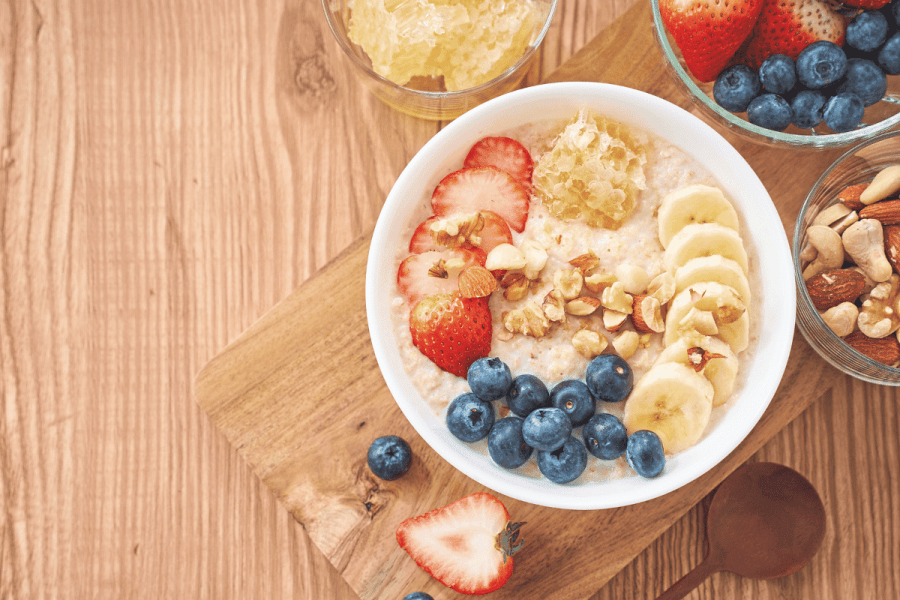
Almonds, walnuts, pistachios, chia seeds and flaxseed are the most researched and support healthier LDL levels. A small daily portion is enough and studies show that nuts don’t lead to weight gain because they increase fullness and some of their fat is not fully absorbed.
Embrace healthy fats
Replacing saturated fats with unsaturated ones improves cholesterol balance. Extra virgin olive oil, avocado, nuts, seeds and oily fish support heart health. Omega-3 fats found in oily fish help reduce inflammation and maintain healthy blood vessels.
Long-term changes
Cholesterol responds to overall dietary patterns rather than single foods. Perfection is not required. It is the cumulative effect of choosing whole, high-fibre foods and evidence-based functional foods.
To help put these principles into action, I have created a 7-day plan built around the ingredients and strategies described above. The plan includes high-fibre breakfasts, balanced lunches and simple evening meals that incorporate pulses, wholegrains, vegetables and healthy fats — scroll on to see more.

5 Practical lifestyle tweaks
Knowing the science is helpful, but long-term change comes from practical habits that fit neatly into your everyday life, so try to make the following into habits:
1. MAKE HIGH-FIBRE FOODS VISIBLE
Keeping nuts, seeds, oats, fruit or wholegrain crackers somewhere visible increases the chance they will be used. Simple visual cues encourage better daily choices.
2. CREATE A HEART-HEALTH CUPBOARD
Stocking tinned beans and lentils, wholegrains, dried fruit, nuts and seeds together in one easy-to-access place helps remove barriers to cooking balanced meals. Having core staples available encourages healthier decisions on busy days.
3. USE CONVENIENCE FOODS WISELY
Convenience does not need to mean unhealthy. Tinned pulses, microwave wholegrain pouches, frozen vegetables, tinned oily fish and ready chopped vegetables reduce preparation time without reducing nutritional value. Draining a tin of lentils at the start of the week means they are ready to add to meals.
4. ADOPT A FIBRE-PLUS MINDSET
Adding extra fibre or plant diversity to any meal builds a better dietary pattern. Flaxseed on porridge, chickpeas in a stew or extra vegetables in a pasta sauce all contribute to cholesterol support.
5. BATCH PREPARE BUILDING BLOCKS
Preparing small components such as cooked quinoa, roasted vegetables, overnight oats or a simple lentil soup helps make healthy meals easier. These building blocks can be combined in minutes.

Your heart-healthy meal plan
MONDAY
Breakfast: Pecan and coconut granola with fortified soya yoghurt (150g) and sliced nectarines. 389kcal | 7g fibre
Lunch: Lentil bowl with tahini dressing with wholemeal pitta bread. Handful dried apricots. 580kcal | 9.2g fibre
Dinner: Bombay potato frittata with 1 tbsp Greek yoghurt and chopped salad with chickpeas. 450kcal | 8g fibre
Snacks (optional): Edamame beans (100g) with light soy sauce and lime juice. 148kcal | 5.9g fibre Small handful almonds (30g). 182kcal | 3.3g fibre
Total 1749 kcal | 33.4g fibre
TUESDAY
Breakfast: 0% Greek yoghurt (150g) with sliced banana, dried apricots (15g) and chopped Brazil nuts (30g). Glass of orange juice. 412kcal | 4.8g fibre
Lunch: Homemade baked beans on wholegrain toast. Three Medjool dates. 500kcal | 14g fibre
Dinner: Canned mackerel kedgeree. 420kcal | 8g fibre
Snacks (optional): Two brown rice cakes with ½ mashed avocado (add lime juice and sea salt) and 1 tsp pumpkin seeds. 220kcal | 4g fibre Small handful almonds (30g). 160kcal | 5.9g fibre
Total: 1712 kcal | 36.7g fibre
WEDNESDAY
Breakfast: Soaked oats (50g) in milk and apple juice topped with grated apple, nuts and chia seeds. 380kcal | 9.9g fibre
Lunch: Orzo, roasted red pepper, sun-dried tomato and tuna salad. 450kcal | 5.5g fibre
Dinner: Middle Eastern spiced aubergine and lentil stew with tahini dressing and pomegranate. 550kcal | 9.4g fibre
Snacks (optional): 0% Greek yoghurt topped with sliced banana and milled flaxseed. 250kcal | 4.3g fibre 2-3 Medjool dates stuffed with walnuts. 270kcal | 5.5g fibre
Total: 1900 kcal | 34.6g fibre
THURSDAY
Breakfast: Kefir yoghurt (150g) topped with pecan and coconut granola. 360kcal | 5g fibre
Lunch: Sesame chicken noodles. 610kcal | 5.7g fibre
Dinner: Black bean and quinoa chilli. 400kcal | 12.1g fibre
Snacks (optional): Orange segments and small handful of walnuts (30g). 280kcal | 4.8g fibre Homemade roasted chickpeas (30g). 130kcal | 5g fibre
Total: 1780 kcal | 32.6g fibre
FRIDAY
Breakfast: Indian-spiced scrambled egg with wholemeal wrap. Small glass of orange juice. 360kcal | 5g fibre
Lunch: Two rye crackers (e.g. Ryvita) topped with 1 mashed avocado, 1 tbsp pumpkin seeds and 100g sliced chicken breast. Plus handful of dried apricots. 550kcal | 11.1g fibre
Dinner: Spelt paella. 450kcal | 7.8g fibre
Snacks (optional): Hummus (80g) with red pepper and carrot batons. 215kcal | 4.5g fibre Salted caramel and coconut bliss balls. 160kcal | 2.5g fibre
Total: 1735 kcal | 30.9g fibre
SATURDAY
Breakfast: Two soft boiled eggs with wholegrain toast. Small glass of kefir. 350kcal | 3.2g fibre
Lunch: Red lentil soup (shop bought) with big handful of baby spinach and wholegrain bread. 480kcal | 12g fibre
Dinner: Tofu traybake with green goddess dressing. 616kcal | 10.7g fibre
Snacks (optional): Fortified soya yoghurt (150g) with dried apricots (15g) and chia seeds (5g). 168kcal | 3.9g fibre Mashed chickpeas (80g) with 1 tsp tahini on sliced dark rye bread. 210kcal | 7.3g fibre
Total: 1824 kcal | 37.1g fibre
SUNDAY
Breakfast: Porridge (50g oats made with milk or fortified soya milk) topped with nuts, chia seeds and berries. 400kcal | 9.6g fibre
Lunch: Black bean, shiitake and miso burger (serve in wholemeal buns) with crunchy salad and mixed seeds. 480kcal | 12g fibre
Dinner: Moroccan chicken and quinoa tagine with wholemeal wrap. 580kcal | 8.2g fibre
Snacks (optional): Grated carrot with raisins (15g), crushed walnuts (15g) and poppy seeds (5g). 206kcal | 4.2g fibre Bombay mix. 190kcal | 5g fibre
Total 1856 kcal | 39g fibre
These recipes were created for supplement company Healthspan. Find out more at healthspan.co.uk and turn to page 92 for some of the recipes in full.