


Advertising promotion – in partnership with Sominex
Struggling to get to sleep? Waking up during the night? Find the help you need to navigate sleep problems during menopause.
The quest for a good night sleep is a common one. With most adults requiring between seven and nine hours a night, we could all probably do with a bit more.
For women going through midlife and the menopause other factors can be at play besides being time poor and lifestyle choices. Poor quality sleep can have a knock on effect in other areas of health, as well as life, and can impact on and accentuate other menopause symptoms like mental health, memory and concentration.

So, what causes sleep problems during menopause?
Hormones change across the menopause cycles (peri-menopause, menopause and post-menopause). The main hormones widely accepted to be involved in sleep disturbances are oestrogen, progesterone, melatonin and cortisol.
Oestrogen may increase REM sleep, reduce the time it takes you to get to sleep and the amount of times you wake up, increase overall sleep time and help to regulate your body temperature during sleep. When you approach the menopause, oestrogen levels start to dip, which can impact sleep for some women.
Similarly with progesterone, which is known to have a sedative effect. It also stimulates respiration, helping with breathing during sleeping. When progesterone levels fall during menopause, sleep quality can fall off and breathing problems such as sleep apnoea can become more pronounced.
Melatonin is another hormone, known to aid sleep, that decreases with age. Known to support our circadian rhythm, it helps regulate sleep. A drop in melatonin can affect natural sleep patterns.
The final in this perfect storm of hormones is cortisol which is our ‘fight or flight’ hormone, signalling danger to the brain when we experience something scary, dangerous or stressful. In menopause, levels of cortisol can be elevated at night-time and may spike after a hot flush, making it difficult to fall back to sleep.
Understanding how these hormones work and acknowledging that there’s a clear explanation why you’re struggling with sleep is a step in the right direction.

Another potential midlife sleep disruptor
Hormones aren’t the only culprits. Restless legs syndrome (RLS) is also commonly reported during menopause.
An uncontrollable urge to move the legs, the condition is thought to be twice as common in women as men, and, while its exact cause isn’t fully understood, it’s thought to be linked to iron deficiency and hormonal fluctuations.
Small changes to sleep better during menopause
The good news is that there are small steps you can take to improve your sleep during menopause.
Getting outside, into the daylight, helps set your body clock. You can double down on this by sticking to a consistent wake-up time. Try and go to bed at the same time too. Having a regular pattern tells your body when to rest and wake.
Simple lifestyle adjustments can help support better rest. Keeping your bedroom cool, avoiding stimulants before bed and managing stress can all make a meaningful difference.
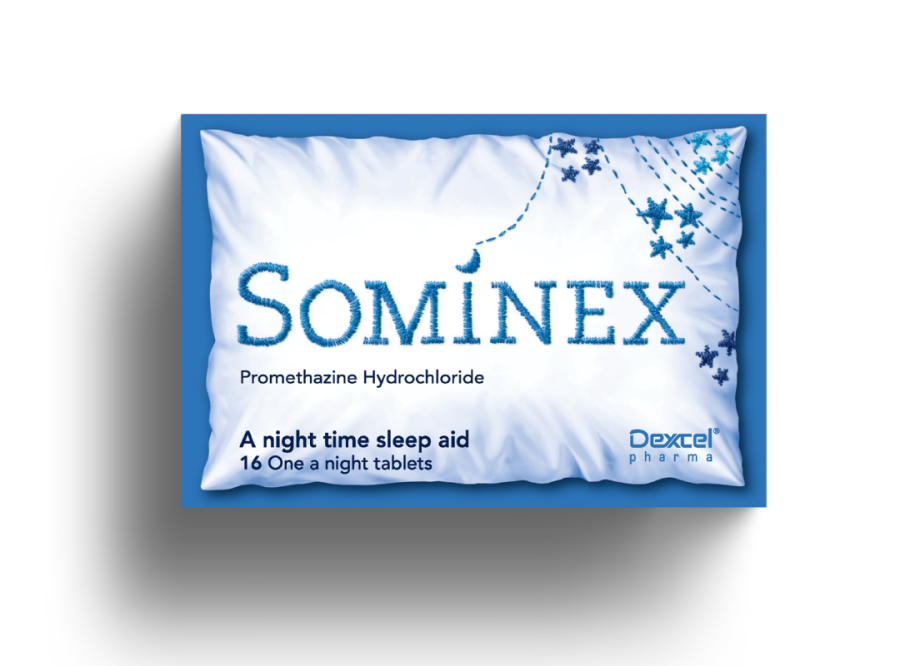
Try Sominex
If sleep problems persist despite making sleep habit and lifestyle changes, speak to your pharmacist or GP for advice.
Sominex is a night time sleep aid for occasional sleeplessness designed for short term use (up to seven days).
It contains a sedating antihistamine called promethazine hydrochloride to help to restore normal sleep patterns if there’s difficulty going to sleep or staying asleep.
Sominex tablets are fast-acting and start to work within 15-30 minutes.
Find out more at sominex.co.uk.
Always read the label.