
Practitioner Jo Webber shares seven useful herbs, spices and flowers to help you manage menopausal symptoms
Words: Jo Webber | Images: Shutterstock
Soothes dry skin: Aloe Vera
Aloe vera (Aloe barbadensis) is a succulent plant with large, fleshy leaves. The inner leaf and gel allows it to thrive in areas with very little rainfall. Traditionally, aloe vera is used to regulate the menstrual cycle and act as a rejuvenating, reproductive tonic. It’s soothing, cooling, moistening and healing, so supports hot flushes and any dryness, such as skin or vaginal dryness. It contains polysaccharides (meaning many sugars) that give it the ability to soothe and regenerate tissues, which is why it is a key ingredient in many skincare formulas.
Good quality aloe juice is safe to take. However, it is possible that lower quality products may still contain some of the laxative principles found in the rind and root of aloes. Aloe gel might lower blood sugar levels. Taking aloe along with diabetes medications might cause blood sugar to drop too low, so monitor it closely. It can also interact with prescription medicines, so best to talk to a health professional if you are taking any medication.
Take 3-6 tbsp of aloe juice first thing in the morning. Choose a brand has removed aloin, a compound with a laxative effect.
The everyday habits that could help you navigate menopause with more confidence
Supports your adrenals: Liquorice
This root is found in many herbal teas as it adds sweetness without adding calories, and yet it has its own powerful effects, too. Liquorice balances oestrogen plus strengthens and supports the nervous system as well as the adrenal glands, making it an effective adaptogen and nourishing tonic for the menopause. During this time, falling oestrogen levels lead to uncomfortable symptoms. In several studies, menopausal women given liquorice supplements reported a reduction in hot flush severity or duration.
Good for emotional balance: Rose
Rose is soothing for the nervous system. It can help boost libido as well as feelings of patience, compassion and love. Rose has a naturally cooling and anti-inflammatory making it suitable for hot and irritated conditions, including calming the skin during hot flushes.
Try a rose petal tea to aid balance, or cool down with a rose water spray or mist such as the Heritage Store Rosewater & Glycerin Spray.
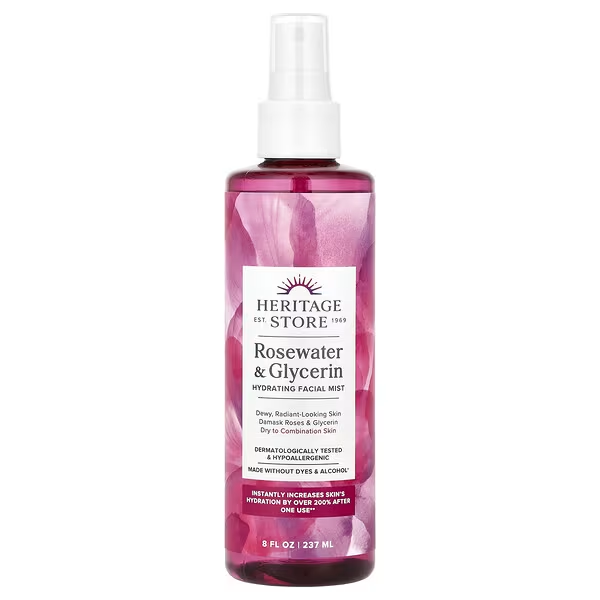
Heritage Store, Rosewater & Glycerin, Hydrating Facial Mist
Top Sante verdict
Hydrates and refreshes skin for a dewy appearance, while soothing and softening with Damask Rose and locking in moisture with glycerin- Locks in moisture and increases skin hydration by over 200% after one use
- Vegan and cruelty free
Great for hormone balance: Shatavari
This is a herb used in ayurveda for supporting women’s health. It’s known as a tonic for the reproductive system, helping bring hormones back into balance, regulating the menstrual cycle (where still present) and making perimenopause an easier transition. It is also naturally cooling and moistening to the reproductive tract, making it perfect for the hot, dry qualities of menopause whilst also boosting libido. It’s classed as an adaptogen, and helps tonify a system weakened by stress and change. Shatavari is a very safe herb – no side effects have been found in clinical trials at doses of up to 20g per day.
As this herb has an effect on oestrogen, it is best to be cautious if you have any fibrocystic breast problems or acute lung congestion.
Add 1 tsp of the powder to a mug of warm milk of your choice, along with a pinch of ginger to aid its digestion.
Great for joints: Turmeric
This golden spice is well researched for its antioxidant and anti-inflammatory effects. One of its key compounds is curcumin, which gives it its yellow colour. The spice is especially helpful in menopause as it supports metabolic health, managing fluctuating blood sugar levels associated with increased resistance to insulin. Turmeric supports circulatory health, improving blood flow and reducing cholesterol, which lowers the risk of heart disease. It is also used for managing joint pains and is one of the top spices for reducing internal inflammation.
Add it to curries or make a tea. It’s also available in capsule form, but look for one containing the whole plant for most benefit.
Promotes inner calm: Chamomile
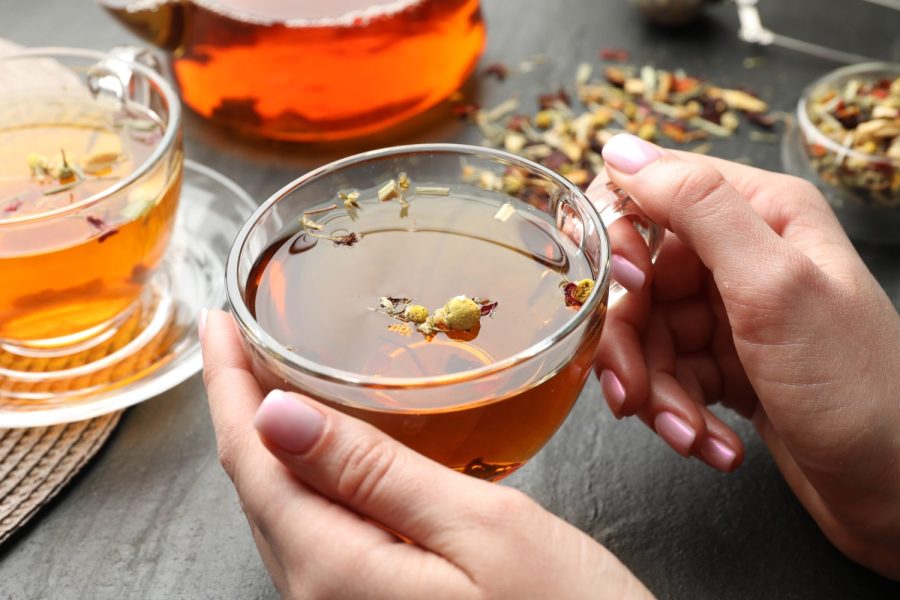
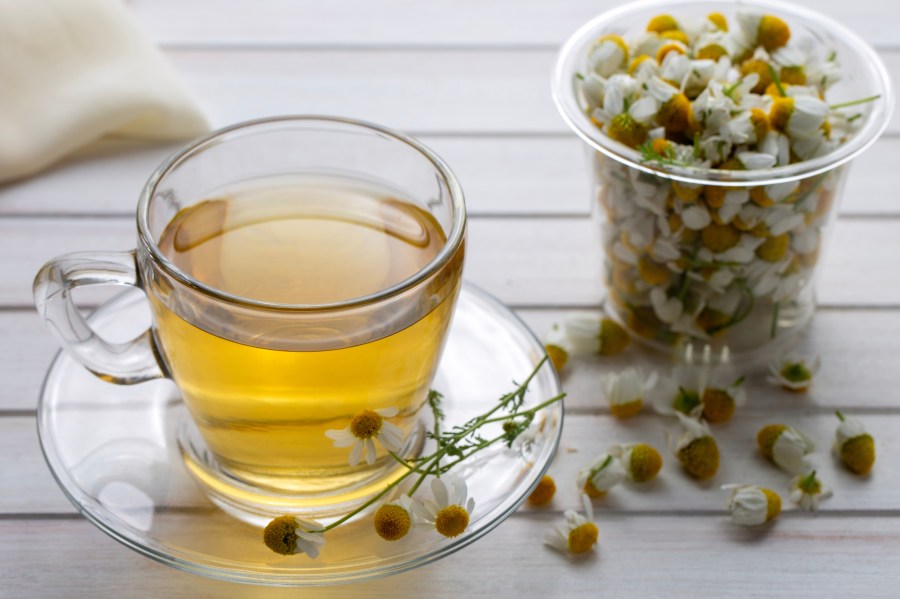
This white and yellow flower helps relax a stressed and anxious nervous state by calming anxiety and relaxing muscles. There is a lot going on during the menopause transition, and chamomile can really help – it’s probably the most widely used herb in the world for promoting a sense of calmness and tranquillity.
Enjoy chamomile as a tea – drink in the afternoon/evening to help calm your nervous system. Also find it in tincture and supplements for a stronger effect.
Good for anxiety and sleep: Ashwaganda
This herb, also called Withania somnifera, is considered a supreme remedy for anxiety. It’s used in ayurveda to nourish the mind and enhance vigour. It’s both an adaptogen and a tonic – both calming the stress response and building energy. It’s particularly helpful in supporting restorative sleep, which, in turn, helps your body deal with the effects of emotional stress.
Take 1 tsp in hot milk or as a tincture, to support better sleep. It can also be taken in capsules.
It is generally safe to use these herbs alongside allopathic hormonal treatment, including hormone replacement therapy (HRT). However, there is a difference between enjoying them as herbal teas each day and using them in stronger forms such as capsules and tinctures. Some herbs can also interact with other prescription medicines, for example taking turmeric supplements can interact with anticoagulants. Although not included here, St John’s Wort is a popular remedy for depression, but it can interact with prescription medicines, including HRT and oral contraceptives, as it accelerates the breakdown of oestrogen. Always seek the support of a herbalist or chat to your GP if you are on medication and want to start using herbs.
Joanna Webber is a qualified ayurvedic practitioner (BSc Ayurveda, MAPA) and hatha yoga teacher, as well as co-founder of The Ayurveda Academy (theayurvedaacademy.com) and loves to weave together the sister sciences of Ayurveda and Yoga. She has three children and lives in Somerset, where she spends her spare time foraging and wild crafting. Find her at instagram.com/the.ayurveda.academy.