


As countryside walks beckon, so do hidden health risks – especially for women. For Lyme Disease Awareness Month in May, we break down how to spot ticks, recognise early symptoms of Lyme Disease, and protect yourself outdoors.
Words: Amy Mica Marsden. Images: Shutterstock, Lyme Disease UK
We all know the feeling – the moment the sun comes out and the weather gets a little warmer, the shorts and t-shirts are on and we long to get outside.
I doubt many of us are thinking about the risks that tick bites can pose when we’re out enjoying nature, but exposure to these tiny creatures can cause long-term health problems if left unchecked.
With tick exposure on the rise due to factors such as climate change and changes in land management, it’s more important than ever to understand the risks, how to prevent tick bites, and what to do if you do get bitten.
Why we should be tick-aware
Lyme disease is one of the most common tick-borne illnesses in the world, and is spread through the bite of an infected tick.
Globally, the percentage of ticks carrying Lyme disease varies hugely – for example, in the UK the average infection rate is around 4%, whereas in the US up to 50% of ticks could harbour the disease.
Lyme disease is much easier to treat when the infection is new, but if left untreated, it can cause serious problems months or even years later – which is why it’s so important to check for ticks when you’ve been outside, and get treated as soon as possible if you find any on your body.
According to the NHS, some possible long-term complications of Lyme disease are:
- Pain and swelling in joints (‘Lyme arthritis’)
- Nerve problems – such as tingling feelings, pain or numbness
- Heart problems
- Memory loss, difficulty concentrating, and fatigue
Lyme disease can also cause Bell’s palsy (paralysis of some facial muscles) and meningitis.
Symptoms and long-term complications can be worse for women, too, with some studies suggesting Lyme disease can cause reproductive and gynaecological health issues, as well as being harder to diagnose.
According to a study titled ‘Does Biological Sex Matter in Lyme Disease? The Need for Sex-Disaggregated Data in Persistent Illness‘, women, when surveyed, “reported more tick-borne coinfections, worse symptoms, longer diagnostic delays, more misdiagnoses, and worse functional impairment than men.”
Where and when to watch for ticks
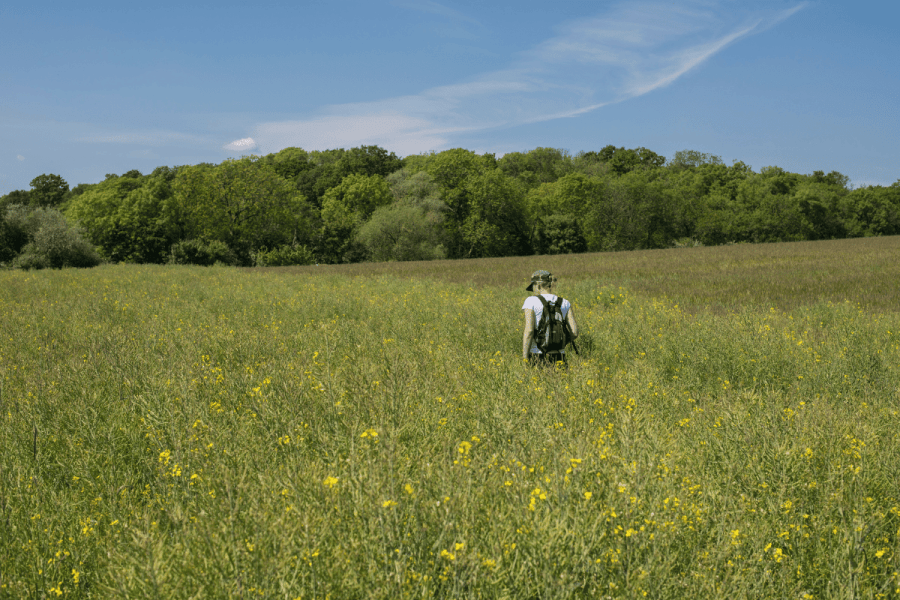
Ticks tend to thrive in humid areas with lots of vegetation, such as woodlands, heathlands, bracken, and other areas with lots of long grass — but they’ve also been found in gardens and parks in urban areas, often brought in by wild animals such as foxes or birds.
“We usually expect ticks to be active from early Spring until late Autumn,” says Julia Knight, Press and Community Outreach Manager for Lyme Disease UK, “But with our climate changing, meaning we are now experiencing warmer, wetter winters, ticks seem to be staying active in the winter months… Because of that, it’s good to be tick aware all year round.”
Signs and symptoms of tick bites
It’s always best to check for tick bites as soon as possible when you’ve been outside, rather than waiting for symptoms to appear, but they can be tricky to spot.
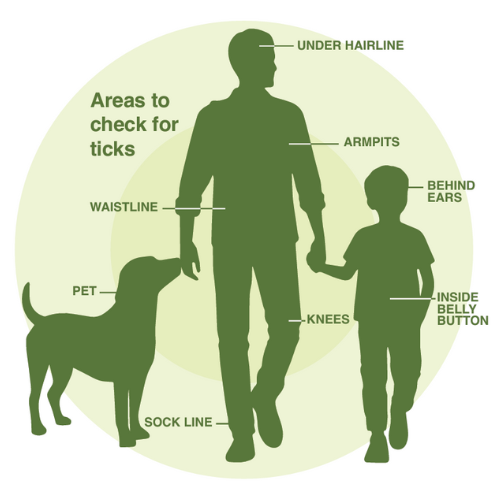
“Ticks can be as small as a poppy seed,” warns Julia. “They like to find nice warm places on the body to feed such as under the hairline (particularly in children), behind the ears, armpits, waistline, groin, behind knees, [on the] sock line and between toes.”
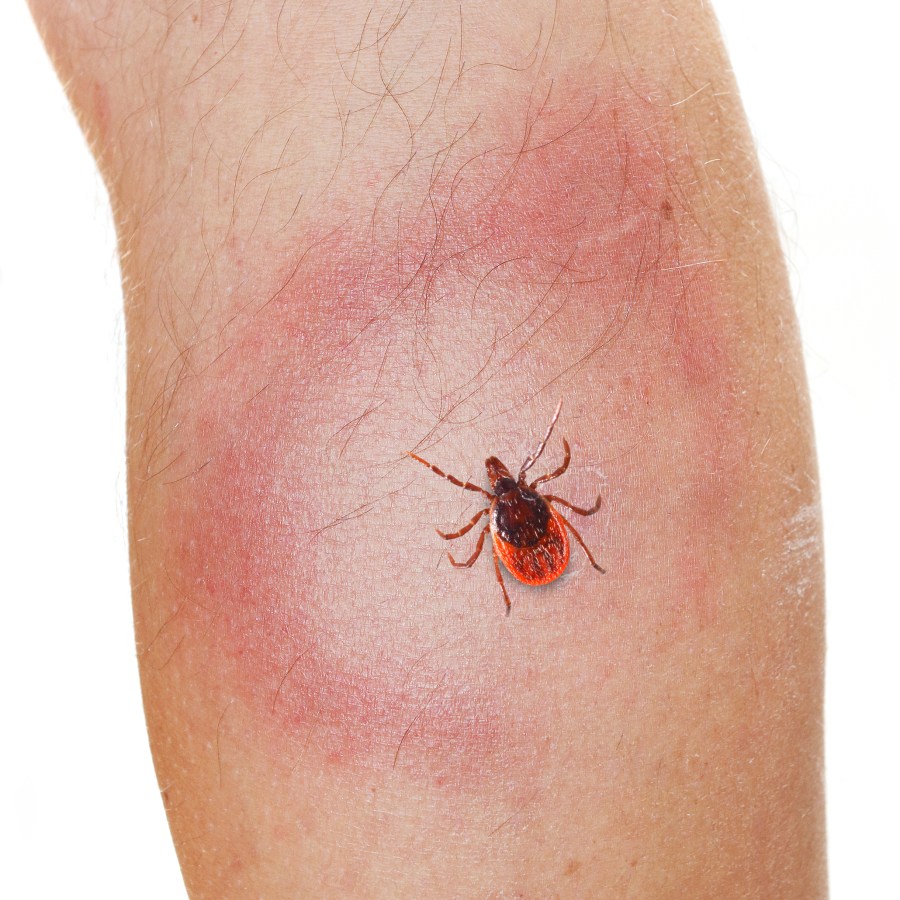
A common warning sign that you or a loved one have been bitten by a tick without your knowledge is the appearance of a red (but not usually itchy, hot or sore) rash called Erythema Migrans or a ‘bulls-eye rash’ (above), which takes at least 3 days to show up but can take up to thirty days or longer to appear, according to Julia.
However, the EM rash is not the be-all and end-all of symptoms.
“Not everyone who contracts Lyme disease develops this rash,” Julia emphasises. “Other symptoms to look out for are flu-like symptoms, such as headache, neck ache, sore muscles and/or joints, fatigue, malaise and feeling generally unwell.”
How to prevent tick bites
There are a number of ways you can help to reduce your risk of getting a tick bite this spring.
Julia explains it’s important to be aware of ticks if you’re visiting an environment where they might be living. She recommends wearing long trousers and covering your arms where possible, tucking your trousers into your socks, and wearing light-coloured clothing so it’s easier to spot a tick if they do appear.
“Check yourself and children at the end of every day to make sure no ticks are attached,” she urges.
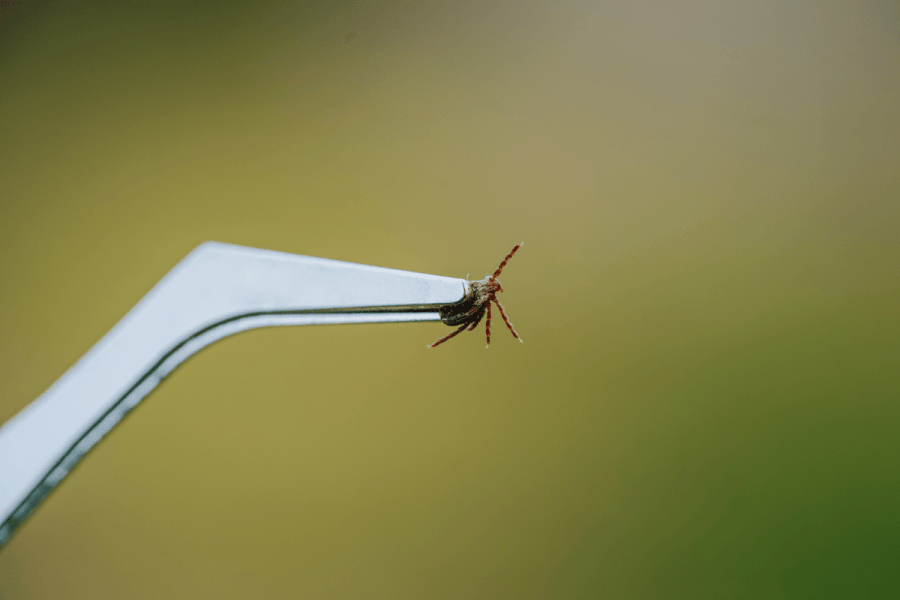
“Always have a tick tool or fine-tipped tweezers in your first aid kit so ticks can be removed quickly and safely. Pets can carry ticks too, so check them regularly and ask a vet for advice about preventative treatment to repel ticks.”
NHS guidelines for removing ticks are as follows:
- Use fine-tipped tweezers or a tick-removal tool. You can buy these from some pharmacies, vets and pet shops.
- Grasp the tick as close to the skin as possible.
- Slowly pull upwards, taking care not to squeeze or crush the tick. Dispose of it when you have removed it.
- Clean the bite with antiseptic or soap and water.
Remember to seek medical advice if you notice any symptoms either after being bitten or after you’ve been in any environment where you may have been bitten.
For more advice about preventing tick bites and how to remove them safely, visit www.lymediseaseuk.com