


Around 1 in 50 women in the UK will develop ovarian cancer in their lifetime, so being aware of the symptoms is crucial. We spoke with the experts to find out everything you need to know.
Words: Amy Mica Marsden. Images: Shutterstock.
Every year on the 8th of May, Ovarian Cancer Action marks World Ovarian Cancer Day to highlight the symptoms, raise awareness, and allow sufferers to share their stories.
Ovarian cancer is the 6th most common cancer in women, with around 324,000 women around the world receiving a diagnosis every year. 95% of women will survive the disease if they’re diagnosed early, which is why it’s important to learn the signs and act quickly.
The disease starts in the cells of the ovaries, occurring when abnormal cells in the ovary, fallopian tube or peritoneum grow into a tumour.
But symptoms can often be subtle or go unnoticed, often put down to something else or labelled as nothing serious.
Symptoms of ovarian cancer to look out for
“Common symptoms of ovarian cancer include a swollen or painful tummy, pain in the pelvis, loss of appetite and changes to how you pee,” says Megan Winter, health information manager at Cancer Research UK.
“Other symptoms can include tiredness, indigestion, bowel changes and bleeding from the vagina.”
The full list of symptoms, according to the NHS, includes experiencing the following roughly 12 times a month or more:
- a swollen tummy or feeling bloated
- pain or tenderness in your tummy or the area between your hips (pelvic pain)
- no appetite or feeling full quickly after eating
- an urgent need to pee or needing to pee more often
Other symptoms of ovarian cancer can include:
- indigestion
- constipation or diarrhoea
- back pain
- feeling tired all the time
- losing weight without trying
- unusual bleeding from the vagina, including between periods, heavier periods or after the menopause
If you’re concerned about any symptoms, it’s important to speak to your GP as soon as you can.
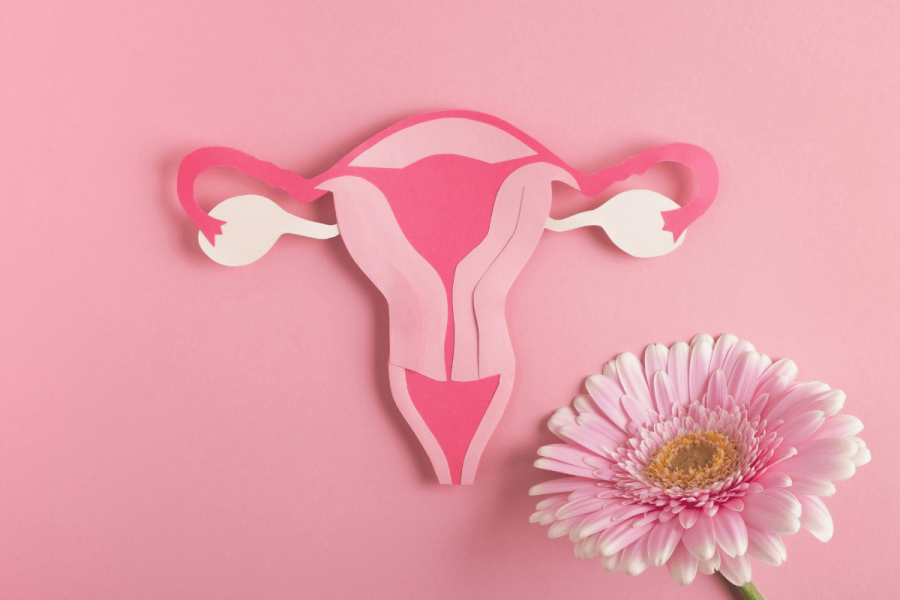
Who is at risk of ovarian cancer?
Ovarian cancer can affect anyone born with female reproductive organs. It is currently unknown exactly what causes it, but certain risk factors can increase our likelihood of developing the disease.
“Ovarian cancer is more common in older age groups and people with a family history of the disease,” explains Megan. “Some inherited gene changes also increase the risk of ovarian cancer, such as a faulty BRCA 1 or BRCA 2 gene.
“If you are worried about your family history of ovarian cancer, speak to your GP.”
Other risk factors include being overweight, using HRT (though the risk factor is only slight), smoking, or having an existing medical condition such as endometriosis or diabetes.

How to reduce your risk
There are a few things you can do which may help reduce your risk of developing ovarian cancers.
One thing that has been shown to reduce your risk, according to Cancer Research UK, is taking the combined contraceptive pill. In fact, the charity states that the reduction in risk ‘lasts for at least 30 years after you stop taking the pill, though this reduction may become less over time’.
Having children and breastfeeding also both seem to reduce the risk of ovarian cancer, and the protective factor only increases the more children you have. It is thought that this could be due to the fact that you are not ovulating while pregnant, and the fewer times you ovulate, the lower the risk of ovarian cancer.
Megan adds, “If you’re worried about ovarian cancer, there are things you can do to help lower your risk, such as not smoking and keeping a healthy weight. There is information and support available to help you keep a healthy weight on the Cancer Research UK website.”
“Speak to your doctor if you notice anything unusual for you, or if something doesn’t look or feel quite right. It probably won’t be ovarian cancer, but if it is, spotting it early can make a huge difference.”
For more information on ovarian cancer, its symptoms and risks, visit cancerresearchuk.org.