
From your kitchen to your living room, everyday products may be contributing to your microplastic exposure. Discover the simple lifestyle changes that could make a meaningful difference — and the new test that helps you learn your exposure level.
Words: Katy Sunnassee. Images: Shutterstock.
The world around us isn’t always the friendly place we want it to be. News about the damage we are doing to the planet is rife. But one area that is increasingly talked about is the impact of chemical exposure on our everyday health and wellbeing.
It’s difficult to imagine that 200,000 chemicals are being used in everyday products and services. While we may never encounter nearly half of them, each of us will be exposed to some at various points throughout our lives.
Although this is a very complex area, there is growing evidence to suggest that exposure to everyday chemicals in our daily lives could be a factor in certain health trends, including higher cancer and lower fertility rates. So, what are these everyday chemicals and how can we protect ourselves against them?
Bob Woods, founder of Lasting Health, believes this is an issue we should be taking as seriously as climate change. ‘Trace toxins can be found almost everywhere and there are far too many to list,’ he says. ‘We are exposed to hundreds of chemicals every day whether at home or outside, including toiletries, pesticides, food, drinks, household cleaners, and outdoor sources such as tyres, exhaust fumes and agricultural spraying.’
Reduce your exposure
The two categories we should be most concerned about, apparently, are firstly the chemicals that can mimic the actions of our hormones and interfere with cell functions, known as endocrine disrupting chemicals or EDCs.
‘Exposure to EDCs such as herbicides and pesticides as well as other everyday chemicals is linked to a wide range of serious health conditions, including cancer and dementia, with rates growing ahead of population changes and other lifestyle factors,’ says Woods.
This may sound scary, but there are some basic steps you can make to reduce your exposure, for example something as simple as removing your shoes at the front door, as is the norm in places like Japan. Pesticides, chemicals, tyre dust and traces of petrol are picked up on the soles of your shoes from roads, pavements and pathways.
If you then walk around at home in shoes worn outdoors, trace chemicals will settle as dust in every room. Small, simple changes can make a big difference in the long run.
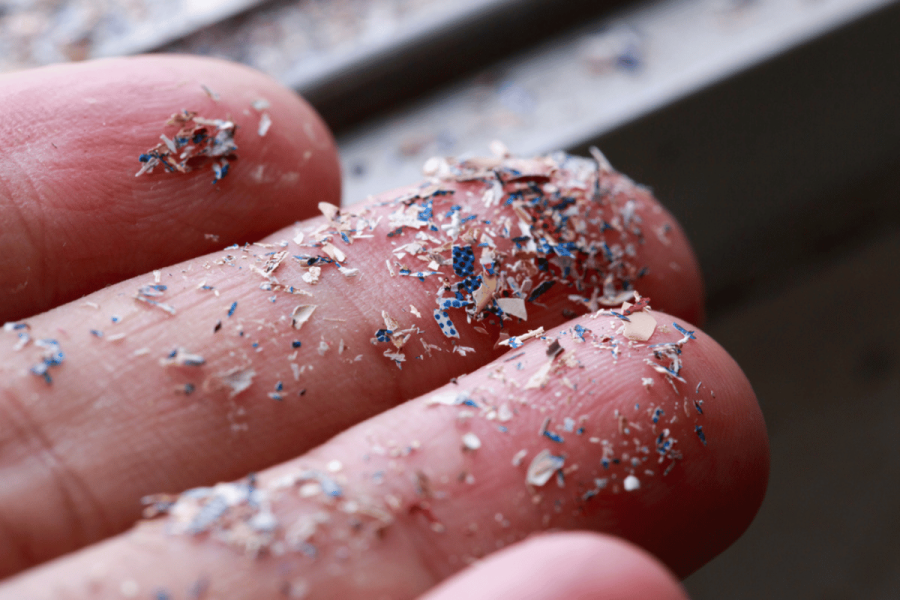
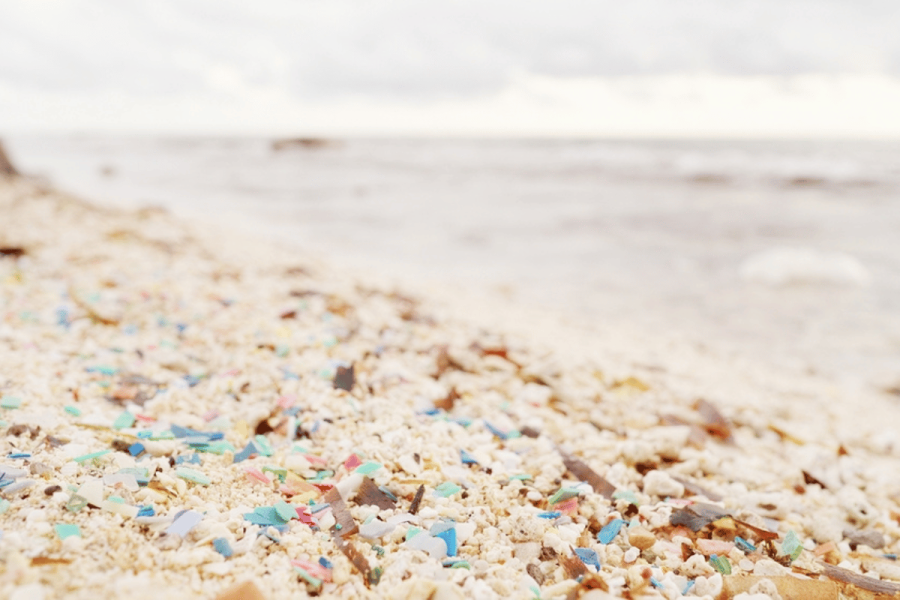
The second much-debated category is microplastics – a topic shrouded in misinformation and confusion. According to a study done at the University of Plymouth, it’s estimated that we inhale or ingest 2000-7000 microplastic particles per day and that their concentration may be 60 times higher indoors than outdoors, where they can enter the body by inhalation and ingestion.
In reality, microplastics are so widespread in daily life that it’s almost impossible to avoid them entirely, but the good news is that there are some easy ways in which you can reduce your overall exposure, particularly around the home.
‘Education is vital. If we understand the sources of these harmful chemicals, it makes it much easier to reduce our exposure. Whether this means switching to organic brands, cereals and produce to avoid ultra-processed foods or using the YUKA app to scan cosmetics and toiletries, it is possible to reduce and avoid some exposure,’ says Woods.
Insight into what chemicals you may already have been exposed to is a good start to begin making different choices about the products you use at home, and which you eat and breathe in, and the chemicals they might unknowingly be exposing you to.
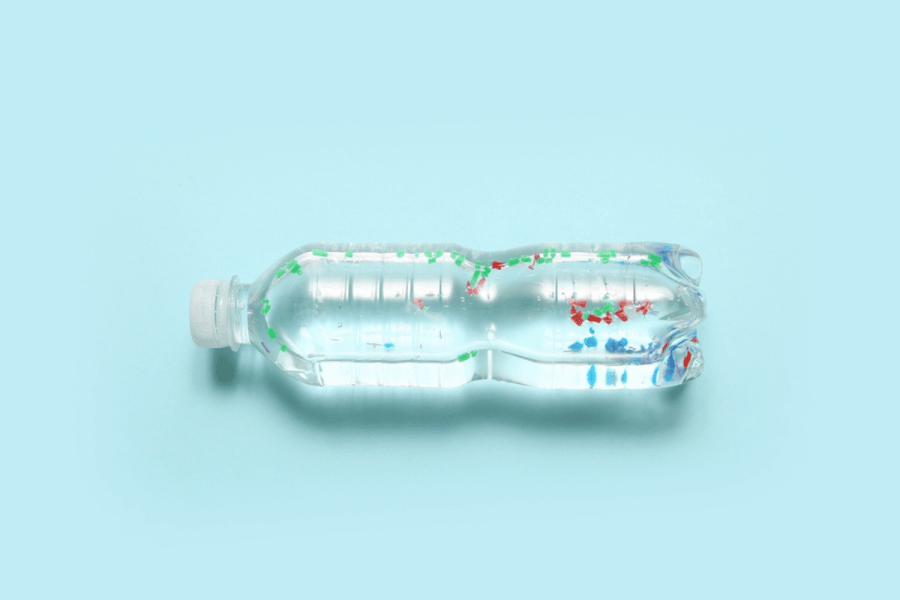
Try these top tips to reduce your everyday exposure to microplastics in the home:
1. Avoid plastic water bottles
A one-litre plastic bottle may contain up to a quarter of a million tiny microplastic particles, known as nanoparticles. Drinking tap water from bottles made from steel or toughened glass will reduce your exposure.
2. Don’t microwave food in plastic
Plastic breaks down more rapidly when heated, so avoid heating food in plastic containers in microwaves. Remove convenience foods from their packaging and heat in a glass container instead.
3. Check your chopping board
Chopping boards, especially polypropylene-based, contaminate food with microplastic particles when they break away and leach into food.
4. Use natural homeware
Remember that household items such as carpet, soft furnishings and bedding made from synthetic fibres will also release microplastic particles, so it’s a good idea to swap them for natural fibres where possible.
5. Wipe down electrical devices
The heat from electrical devices, such as TVs and computers, is a magnet for microplastic dust, so wipe surfaces down regularly to remove dust residue.
6. Do a plastics test to determine your exposure
Lasting Health (lastinghealth.com) offers a simple, at-home urine test that reveals which everyday chemicals you may have been recently exposed to, and how simple lifestyle changes can reduce your contact with them.