

Move over HIIT, there’s a new (and easier) way to exercise to stay feeling fantastic and live a healthier life – and it’s all about low intensity exercise, says PT Kate Rowe-Ham…
Words: Kate Rowe-Ham | Images: Shutterstock
I’m often espousing strength training, especially for women in midlife as it’s a great way to stave off multiple menopausal conditions, but there are other exercise and movement modalities that are also beneficial. And while we’ve for years been hearing about HIIT, or high-intensity interval training, there are lots of benefits to be had from low-intensity steady state cardio (LISS), which helps improve blood flow, reduce stress, lower risk of heart disease and improve brain function.
It is also easier to do and gentler on your body than HIIT and is great for those new to exercise or building back up after an injury. The goal with LISS is to keep your heart rate at around 50-65 per cent of your maximum (you can work out your max heart rate by taking 220, then deducting your age, for example 220 minus 55 is 165, which would be your average maximum heart rate).
LISS activities include cycling, brisk walking, Pilates and swimming, which all entail longer sessions of low-intensity movement. These are also kinder on your bones and joints, so if you have any aches and pains, these exercises are a great way to move until you have built up more strength.
Pilates
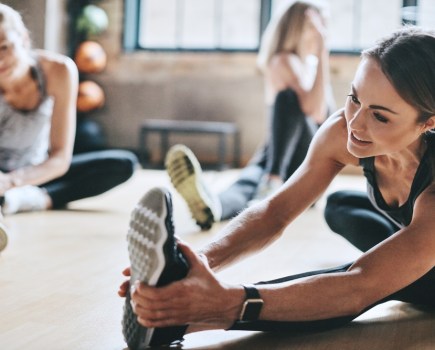
This improves strength and flexibility while increasing joint mobility and is a low-impact option suitable for various fitness levels. Pilates helps to strengthen your back muscles and abdominals, which will not only help with back pain but also improve your posture. It complements strength-training sessions by promoting core strength, muscle balance, flexibility, mobility and improved posture, leading to more effective and well-rounded fitness. In Pilates, you move through all your joints, keeping them supple and mobile despite the hormonal changes your body is going through.
Yoga
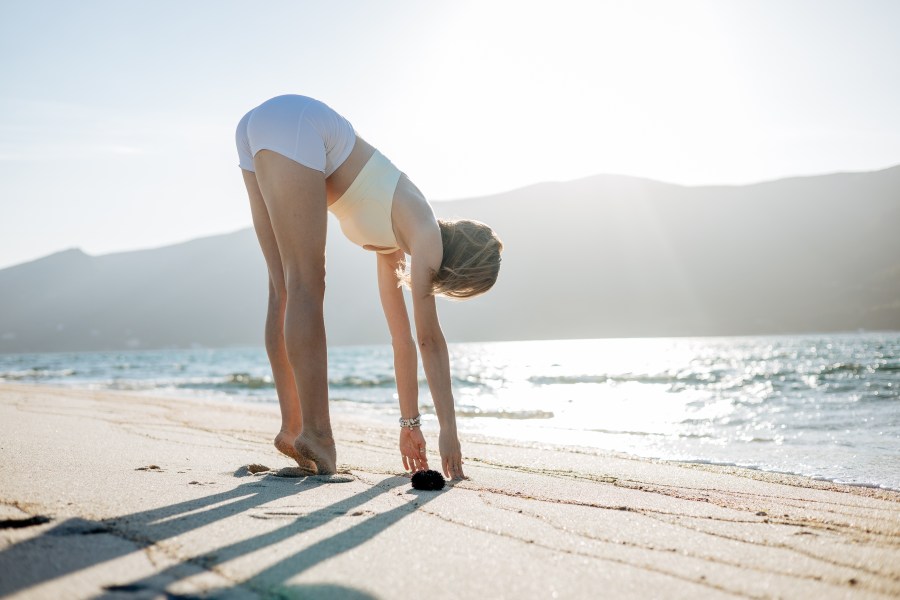
An excellent way of managing and reducing stress as you go through menopause, practising yoga can immediately begin to reduce the over-production of cortisol, enabling your body to function better and you to think more clearly and help remain mentally and physically strong. It also helps maintain your physical strength and keeps your body flexible. Yoga is renowned for helping the mind, which can become more anxious through midlife.
Dance
The moves used in dance, especially ballroom and Latin dancing, are great exercises for bone health because dance is a weightbearing exercise, which is good for bone density, improves balance and works on your body awareness skills, which can help prevent falls as you age.
Walking
This underrated, overlooked, yet easily accessible form of exercise can be so beneficial and is an all-over body workout. Walking is free and relatively simple and is one of the easiest ways to start moving your body if you are new to exercise. You do not have to walk for hours. A brisk 10-minute daily walk has many health benefits and counts towards your 150 minutes of recommended weekly exercise. If you have not been active for a while, gradually build your walk from 10 minutes one week to 20 minutes the next and try to go at a faster pace to feel the benefits. Also, being active in nature can be hugely beneficial for your wellbeing.
How to recover well after exercise
Cycling
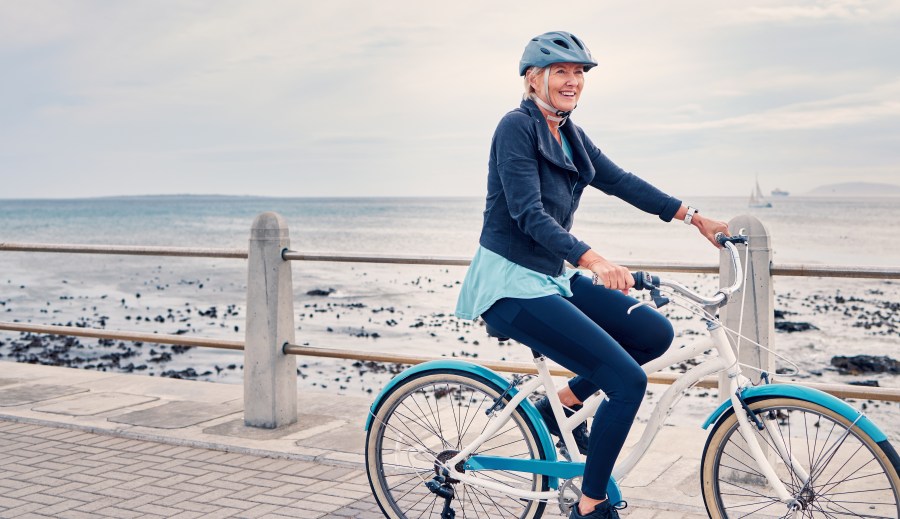
Being outside has so many positive effects on our overall wellbeing. Like walking and running, cycling is a simple way to get the heart pumping and body moving and something that the whole family can do together, which, if you are stretched for time on the weekends, can be a great activity. It is also kinder on your joints and can be a fun way to get some movement in on holiday.
Swimming
An excellent way to work your entire body and cardiovascular system, an hour of swimming burns almost as many calories as running, without the impact on your bones and joints. Swimming offers a full body workout, increasing your heart rate while toning your muscles, and building strength and endurance. It’s brilliant for those with joint aches and is a great mood booster.
Spin
This can elevate your heart rate, which is beneficial, but it can have the same effect as cortisol if done too often, so be mindful of the number of sessions you do in your week and make sure that you are also adding some strength sessions in. Spin is a great workout and, again, it is kinder on the joints. It can be a good way to meet people, too, and as you cycle energetically to loud music, you’ll often feel euphoric for hours after.
Barre
Barre classes combine low-impact exercises, such as stretching or upper arm circles, with faster-paced physical activity, such as jumping squats, to create varied aerobic conditioning sessions more effective at improving core strength than traditional sit-ups alone. Barre classes significantly improve your mind-body connection, balance, stability and strength to relieve aches and pains often experienced during perimenopause. Classes are low-impact but high-intensity and allow you to build strength gently. Barre also keeps cognitive skills sharp with directional changes and following instructions.
Kate Rowe-Ham is author of Owning Your Menopause: Fitter, Calmer, Stronger In 30 Days, (£16.99, Yellow Kite). For more information, find her at owningyourmenopause.com and also instagram.com/katerh_fitness.