

Slowing down, eating simply, and walking more — we spoke to an expert to learn the appeal of this back-to-basics trend.
Words: Amy Mica Marsden. Images: Shutterstock
It’s an age-old adage that good things take time, and that simpler is better. This is something Italian grandmothers have known for generations, learned through decades of spending 4+ hours making the perfect tomato sauce, loaf of bread, or bowl of pasta from scratch.
And taking our time when cooking isn’t the only lifestyle and wellness lesson that we can learn from these grandmothers.
But what is Nonnamaxxing, and could it really be the secret to losing weight for good?
What is ‘Nonnamaxxing’?
The trend of living your life like an Italian grandmother (or ‘Nonna’) has taken social media by storm, and it’s easy to see the appeal.
Hailed as the perfect antidote to the complex, fast-paced and often stressful lifestyle many of us have fallen into, Nonnamaxxing aims to slow down and embrace the traditional, simple and intentional lifestyle favoured by generations of Italians.
The core facets are simple, as explained by the account ‘Tallowtwins’ on Instagram back at the end of February (below): more cooking from scratch, staying close to our loved ones, more walking and getting outside, and just generally trying to stay present and intentional.
All of this, when put together, could be the key to reducing stress – and, in turn, the secret to weight loss.
How Nonnamaxxing could help you lose weight
There are 3 main ways that this viral trend could actually help you lose weight – and keep it off – for good.
1. Mindful eating
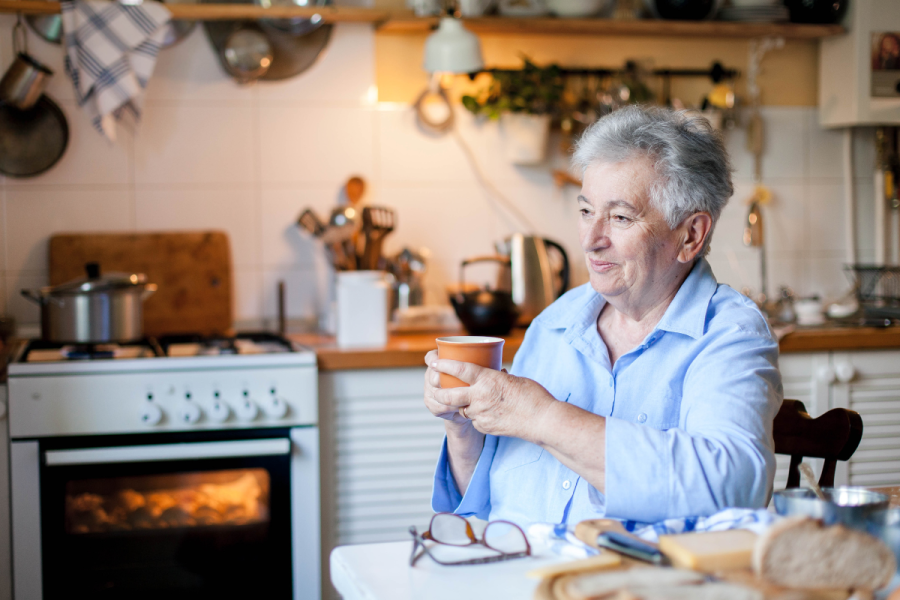
Dr Zoë Lees, Weight Loss Expert and Medical Writer at MedExpress, explains, “Preparing more meals from scratch can be an effective way to increase your nutrient intake, support your energy levels, and support sustainable weight management.
“Although they can be convenient as they generally need less preparation and cooking time, eating large amounts of processed foods is often linked with higher calorie intake and lower overall diet quality.
“Instead, taking inspiration from the Mediterranean-style diet (rich in vegetables, olive oil, fish and whole grains) and cooking from scratch, encourages nutrient-dense, minimally processed meals that keep you fuller for longer and reduce restriction.”
2. Embracing doing nothing
There’s no doubt we live in a fast-paced society these days, always multitasking, trying to squeeze as much as possible into our days. But the Italians have a phrase which we could all learn from if we want to improve our wellbeing: ‘dolce far niente’, or the sweetness of doing nothing.
“There is a strong link between chronic stress and weight gain,” says Dr Zoë. “When we’re stressed, the body releases more cortisol – a hormone that can increase hunger, drive cravings for high-fat and sugary foods, and increase our body’s capacity to store extra calories as fat.
“Embracing the ‘Nonna’ art of slowing down, and making the effort to prioritise rest in the midst of busy day-day life, may help reduce stress levels and support healthier habits linked to long-term weight management.”
3. Sustainable movement
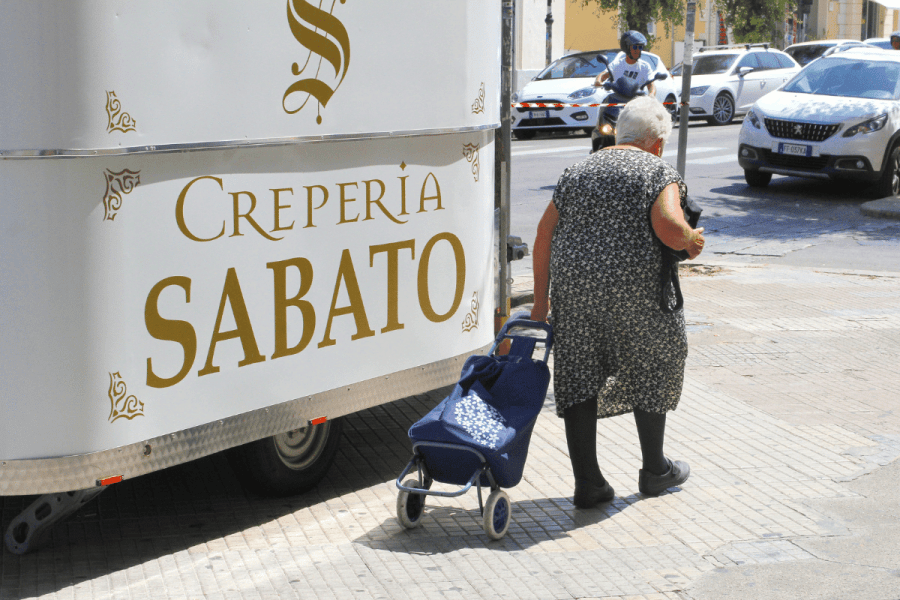
When it comes to movement, it’s often said that the small things you do every day count for far more than the occasional workout or gym class. This is where Nonnamaxxing comes in, as Dr Zoë explains.
“Implementing small changes, such as walking to the shop instead of driving or taking the stairs instead of the lift, can help build more sustainable habits, support a more active lifestyle, and contribute to long-term weight management.
“Research suggests that walking shortly after meals can improve blood glucose control compared with sitting still.
“Therefore, taking inspiration from the Italian Nonna tradition of the passeggiata (a post-meal walk), a light walk after eating may also support weight management by helping to reduce post-meal blood sugar spikes.”
Dr Zoë advises that adopting the Nonna lifestyle could be particularly useful for long-term weight loss when used alongside prescription weight loss treatments.
“Being able to shift your focus from weight loss to weight maintenance, as well as being consistent with lifestyle changes, including movement that is sustainable long term, are key factors in achieving lasting health benefits.”
Dr Zoë Lees is a medical writer and scientific communicator specialising in obesity, weight management and diabetes. She is committed to delivering clear, evidence-based content that supports people living with chronic metabolic conditions.