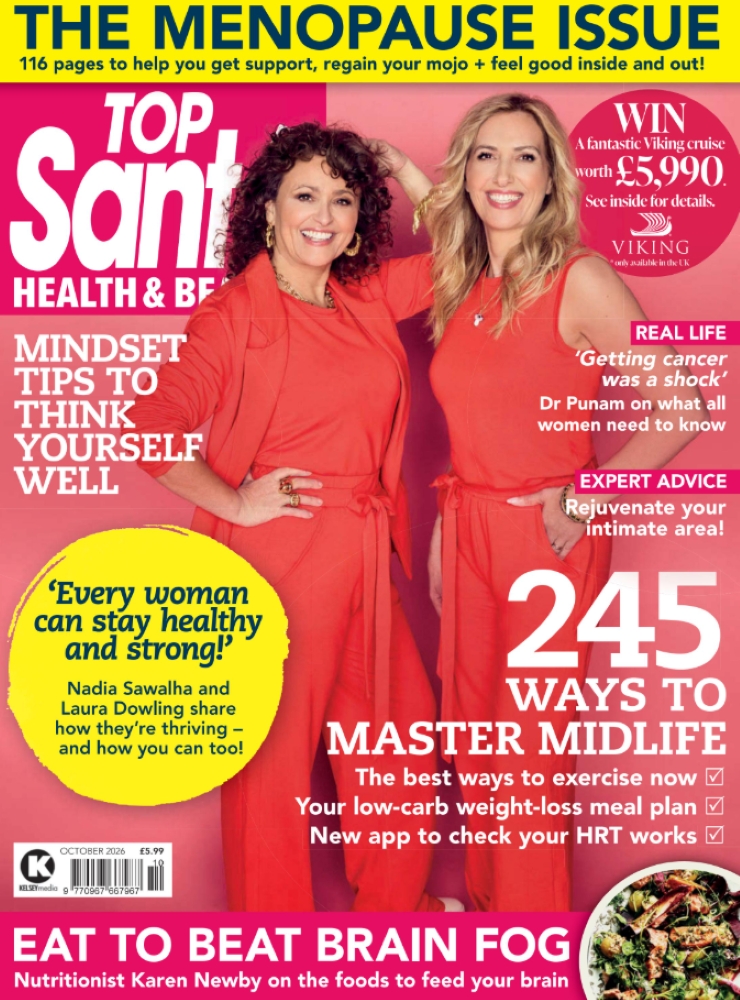


At 48 and struggling with perimenopause, Gabrielle O’Hare felt as if her life was on the scrapheap after her business failed. But becoming a personal trainer changed everything. Here, she shares what she’s discovered and offers her advice for healthy weight loss for women over 40
Words: Gabrielle O’Hare | Images: Shutterstock
The more you base your diet on natural, unprocessed foods, the better you feel and the easier you find it to lose weight. You get more protein, vitamins, minerals and gut-friendly fibre from natural and minimally processed foods. You naturally eat fewer calories, experience fewer cravings, feel fuller for longer and your energy will stabilise. You also absorb fewer calories from natural foods because digesting them is more complex. Depending on what you eat, as much as 10-25 per cent of calories can be used during digestion.
Protein is a powerful macronutrient that we often don’t get enough of. Hair, skin and nails need a good supply to keep them strong and healthy. Protein makes the collagen and elastin that keep skin smooth and firm, and muscles need it to repair and grow after exercise. It’s essential for cell renewal and repair. The older you get, the more essential it becomes, and it’s especially significant for post-menopausal women.
Research shows eating more protein improves your body composition. Most of us would like our bodies to be more toned and a higher protein diet can give you that. Researchers compared a group of post-menopausal women eating a low-protein diet with a group eating a high-protein diet. The women who ate the high-protein diet had less fat and more muscle, even though they ate more calories. They performed better at physical tests to measure their strength and fitness and reported fewer falls than the low protein group.
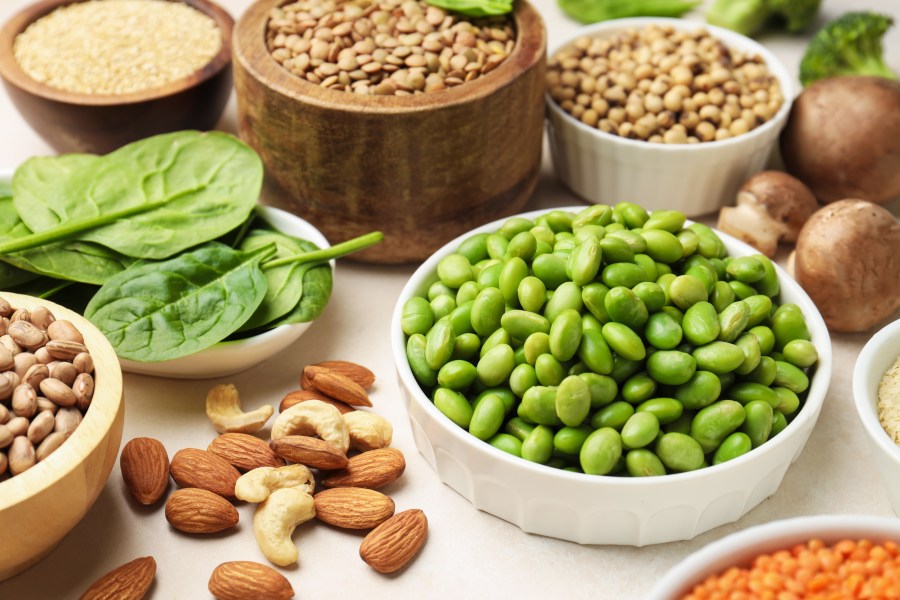
So, eating more protein is a dieter’s secret weapon if you’re looking at healthy weight loss for women over 40. Cutting calories makes you hungry and it’s difficult to ignore hunger and not give in. Protein keeps you fuller for longer and reduces cravings, so it’s easier to resist snacking. Aim to eat 1g of protein per kilo of bodyweight. So, if you weigh 70kg, aim for 70g. If you don’t usually eat much protein, you might find this challenging at first. Gradually increase how much you eat until you get used to eating the proper amount. This is usually easy for meat-eaters but harder for vegetarians and vegans because the primary vegan sources, tofu, grains, pulses and nuts, are naturally lower in protein.
Protein is made up of 21 different amino acids and nine are known as essential amino acids. These are especially important because you only get them from the food you eat; the other 12 can be synthesised in the body. Proteins that contain all nine essential amino acids are known as complete proteins and include meat, fish, eggs and dairy. Many vegetarian and vegan proteins are incomplete and don’t include all nine essential amino acids. So to get around this, it’s good to eat several plant-based protein sources together; for example, combine lentils with rice, or chickpeas with almonds.
Make friends with fat
Fat tends to get a bad rap, but eating some is crucial as it contains essential fat-soluble vitamins A, D, E and K. You may have heard about the Mediterranean diet, considered one of the healthiest ways of eating, which includes a wide variety of unprocessed foods, with lots of vegetables, fruits, wholegrains and moderate amounts of meat, fish and dairy. It also includes healthy fats from olives, olive oil, oily fish, nuts and seeds. People who eat a Mediterranean diet may live longer and be less likely to put on weight.
We quickly get fed up with bland, boring food and menopause can dull pleasure sensations from food. To make a healthy diet sustainable long-term, we need to eat food that rewards our senses in as many ways as possible. Fat adds flavour and richness to dishes and enhances the consistency and mouthfeel. We don’t feel deprived when we enjoy what we eat, which makes us less likely to experience cravings later. Fat is also very filling and naturally reduces how much we want to eat.
But not all fats are equal. Avoid unhealthy fats in foods like pies, pastries, sausages, ready-meals, margarine, vegetable and seed oils, shop-bought cakes, biscuits, pastries and bread, ice-cream, fast-food, crisps and frozen foods that have been deep-fried. Choose lean cuts of meat and remove any visible excess fat.
Yes, fat is still higher in calories than other foods, but a little can go a long way to make meals more enjoyable, if you’re choosing the right fats to eat.
Healthy ways to add fat
- Eat oily fish, such as mackerel, fresh or tinned salmon, sardines and anchovies twice a week.
- Make dressings from extra virgin olive oil and add to salad or vegetables.
- Add nuts, seeds, avocado and olives to salads.
- Add a little butter to steamed and boiled vegetables.
- Add coconut milk to curries for a rich, satisfying taste.
- Choose full-fat dairy instead of low fat and eat smaller portions.
- Add small amounts of cheese to salads, omelettes and other recipes to add taste and texture.
- Eat berries with a little single cream or Greek yoghurt for a low-carb sweet treat.
- Enjoy a couple of squares of 70 per cent or higher dark chocolate.
- Add a small handful of nuts or seeds to natural yoghurt.
Be choosy about carbs
Carbohydrates are the most controversial of all foods. So, do carbs make you fat? Some do, and some don’t. The carbs to watch out for are known as empty carbs. These include sugar, flour, breakfast cereals, noodles, rice cakes, cakes, biscuits, bagels, tortillas, garlic bread, frozen chips, crisps, pastries, ice-cream, desserts, sweets, flavoured and sweetened yoghurts, fruit juice, commercial smoothies and carbonated drinks. They are called empty carbs because their nutrients have been stripped out by processing and as you have probably spotted, most are also classified as ultra-processed foods.
You’re probably imagining the pleasure draining from your life because some of these are foods you love to eat. But you also find them hard to moderate and eating too many does affect your waistline. When you eat more carbs than your body can handle, they are stored as fat. Sugar highs are followed by crashes, triggering intense cravings, making you eat more calories. The bottom line in healthy weight loss for women over 40 is that it’s sensible to eat fewer empty carbs. Pasta, bread, potatoes and rice have a similar effect but if you love eating them, you don’t necessarily have to give them up. Simply have smaller portions and eat them alongside decent portions of protein and veg. This way, meals are better balanced, so you stay full for longer, have fewer cravings and have stable energy.
Eat unlimited vegetables
All vegetables are carbohydrates and are full of vitamins, minerals and fibre. Increasing the variety of vegetables we eat improves gut health, which benefits digestion and immunity, so aim to eat a rainbow of vegetables each week. Carbohydrate levels in vegetables vary. Green leafy veg such as cabbage, kale, spinach, lettuce and green herbs like parsley and coriander, have the least. Other low-carb vegetables include cauliflower, broccoli, sprouts, peppers, cucumber, tomato, aubergine, squash, courgette, mushrooms, leeks, onions and garlic. Pile up your plate to combine tastes and textures and make meals interesting and filling. Higher carbohydrate vegetables include root veg like carrots, parsnips, potatoes and sweet potatoes. Beans, peas and lentils are higher in carbohydrates and also contain protein in reasonable amounts, making them vegetarian and vegan staples. These are higher in calories than other veg but are healthy and filling additions to meals.
Go easy on fruit
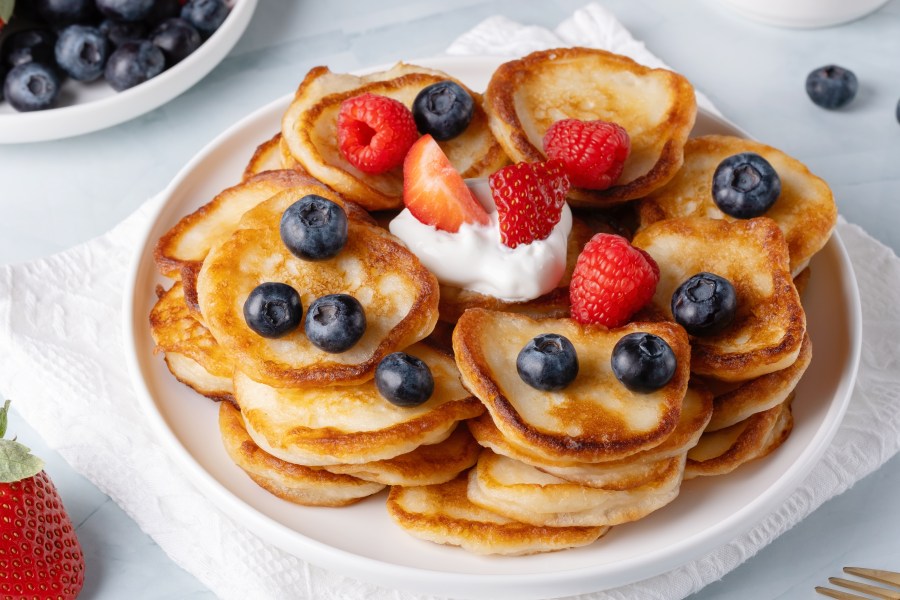
Fruit contains vitamins, minerals and fibre, but is also high in sugar, so don’t eat too much. Snacking on fruit between meals isn’t a good idea because it affects blood sugar in the same way as other sugary foods. Blueberries, raspberries and strawberries are good low-sugar options for a sweet treat or snack and make a filling breakfast when combined with pancakes or Greek yoghurt and nuts.
Make meals tasty and satisfying
It’s vital that you enjoy what you eat if you want to change your diet for good. When we eat bland, dull food, we feel deprived because we’ve missed out on the pleasure of eating, which triggers cravings. If you don’t enjoy your food, takeaways, snacks and convenience foods will quickly find their way back. Don’t let this happen!
No one likes being plagued by cravings and the guilt that follows when you give in. You deserve to eat fabulous food that leaves you feeling satisfied and able to get on with the rest of your day without being preoccupied with eating something else. One client did fine in the summer but struggled when the weather got colder. She was happy eating salads when it was warm but needed something more comforting when it was chilly. Hearty soups and casseroles are still great options, so experiment until you discover new favourites that you can stick with long-term.
How to naturally support weight management and healthy weight loss for women over 40
Leave four or five hours between meals
Your body is either in fat-burning mode or fat-storage mode. Every time you consume calories, you go into fat-storage mode. You only switch into a fat-burning mode when you’ve not eaten for several hours. But by eating constantly, you never give your body the chance. Encourage your body to burn excess fat by going without food and calorific drinks between meals. As well as cutting out snacks, stick to water, black coffee, tea and herbal teas.
If this is a significant change, you need to be prepared. Decide in advance what time your meals will be. Make sure you have a hearty breakfast, so you don’t get too hungry too soon. Having a set time to aim for gives you a better incentive to wait. It’s essential to make sure your meals are substantial and filling enough. If you skimp on portions, you won’t last long without snacking. If you’re used to eating little and often, you may worry that if your meals are too big you won’t lose weight. It may take some trial and error to find the right sized portions that work for you. Going without food for four to five hours may feel uncomfortable at first, because the body’s fat-burning machinery is used to the constant supply of sugar. However, if you stick with it, you’ll quickly adapt. Even if you have bigger meals than usual, it will still help you lose weight because you’ll eat fewer calories overall by not snacking. You’ll become more efficient at burning fat and spend more time burning it throughout the day.

Manage your cravings
Cravings have ruined many a diet, and most of us experience them. After going without sugar and processed foods, the brain starts to miss them and puts up a fight in the form of cravings. They will inevitably come up, so be prepared and try these steps:
- Surf the craving: Step away from food when a craving strikes and take a few steady breaths. Shift your attention away from the urge to eat and pay attention to any physical sensations you are experiencing. Is your mouth watering or your chest tingling? Does your throat feel tight? How is your breathing? Simply notice what’s going on. Don’t question it or judge yourself. As you pay attention to the sensations in your body, the craving will eventually disappear.
- Try distraction techniques: When you experience a craving, do something else to distract yourself. Clean your teeth. Call a friend. Go for a walk or take a bath. Anything will do. After a few minutes, you’ll notice the craving has gone.
- Look for the trigger: When you notice a craving, pay attention to what’s going on. Cravings are often a subconscious distraction technique to shield ourselves from things we find uncomfortable. When you find the cause, ask yourself what you really need right now. If you noticed the trigger was feeling restless, maybe you need to go for a walk. Take a walk, and the craving will go. This practice helps you spot and address patterns.
- Indulge mindfully: Sometimes you might decide to indulge your craving. When you do, choose a modest portion and eat it slowly and mindfully. Really pay attention to it and savour every bite, so your brain registers the pleasure. Notice how you feel as you eat it and stop when you’re no longer enjoying it.
By following these tips for healthy weight loss for women over 40, the easier it will be to maintain a healthy weight. Try it!
Why Women Over 40 Can’t Lose Weight, by Gabrielle O’Hare (£8.99, Michael Terence Publishing), is out now. Follow Gabrielle at instagram.com/thrive_after_40 and visit thrive-after40.com for more.