

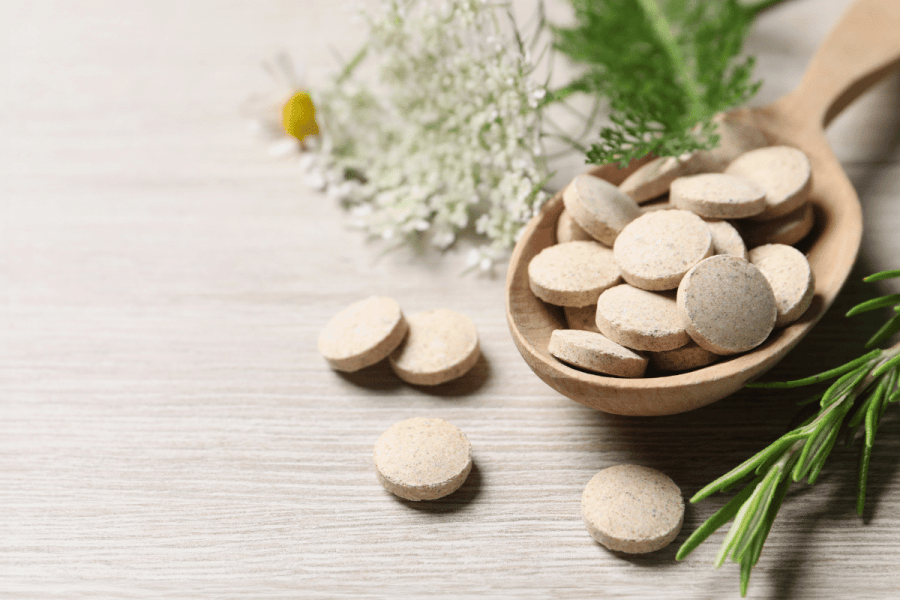
Corin Sadler shares six powerful herbs that may support better digestion, ease stomach discomfort and help your gut function at its best.
Words: Corin Sadler. Images: Shutterstock
Stomach problems can be frustrating — especially if you’re unsure how to fix them. We asked Viridian‘s Nutrition Manager Corin Sadler the best natural herbs to take to improve digestion and help ease stomach issues.
Gentian
This is one of the most bitter herbs in the herbalist’s apothecary, which is why it is so good at stimulating digestion. Gentian’s bitter properties stimulate receptors on your tongue but also in the gut itself.
This triggers digestive secretion, including enzymes, stomach acid and bile, which all kickstart the digestive processes. Strengthening digestive function improves indigestion, nausea, bloating and wind. Studies show gentian often begins to resolve symptoms in as little as five days, but it can be used on an ongoing basis until the digestive system regains function for itself.
It is native to central and southern Europe, where its tall, straight stems bloom with yellow flowers in more alpine regions. As with other bitters, it is best taken 30 mins or so before eating to ready the digestion. Gentian can be taken within a digestive tincture blend or in capsule format paired with betaine HCL to provide additional acid support for the stomach if acid production is poor.

Meadowsweet
Meadowsweet flowers are a beautiful froth of cream in the summer months with a sweet, almost vanilla fragrance. Often called Queen of the Meadow, it is a member of the rose family. It has a toning and tightening action on tissues, and it is this effect that helps improve loose stools and diarrhoea.
Meadowsweet also acts as an antacid, reducing symptoms of over-acidity, including indigestion, acid reflux and gastritis, where the tissue of the stomach is inflamed. Meadowsweet helps settle the stomach with its soothing effect on mucous membranes, which line the digestive tract.
It is best taken in combination with other digestive herbs, especially marshmallow, which soothes irritated mucous membranes and harmonises with meadowsweet’s toning action for a potent gut-healing effect. Blended in tincture form with added peppermint and gentian, this can be diluted in a little warm water and taken 30 minutes before meals.
Peppermint
Perhaps the most well-known of the digestive herbal tonics, this fresh, aromatic herb has long been used as a tea for improving digestion, and it works in several ways. It is carminative, which means it contains volatile oils including menthol. Carminatives relax the muscles in the intestines, regulating contraction and motility.
This helps get rid of built-up wind and eases the gripping pains which often accompany it. Peppermint also helps soothe and calm the gut wall itself, reducing irritation and inflammation. These actions on the gut wall, in combination with pain-relieving or analgesic qualities, help reduce intestinal spasm and pain, and in turn help reduce feelings of nausea.
Peppermint is also calming to the nervous system, so can help where stress is causing digestive problems. Delicious as a tea, it can also be taken in delayed-release capsule form to help reach the lower gut, or in combination with other digestive herbs within a tincture or elixir.
Top Santé recommends: Viridian Delayed Release Peppermint Complex (£12.15, viridian-nutrition.com)
Ginger
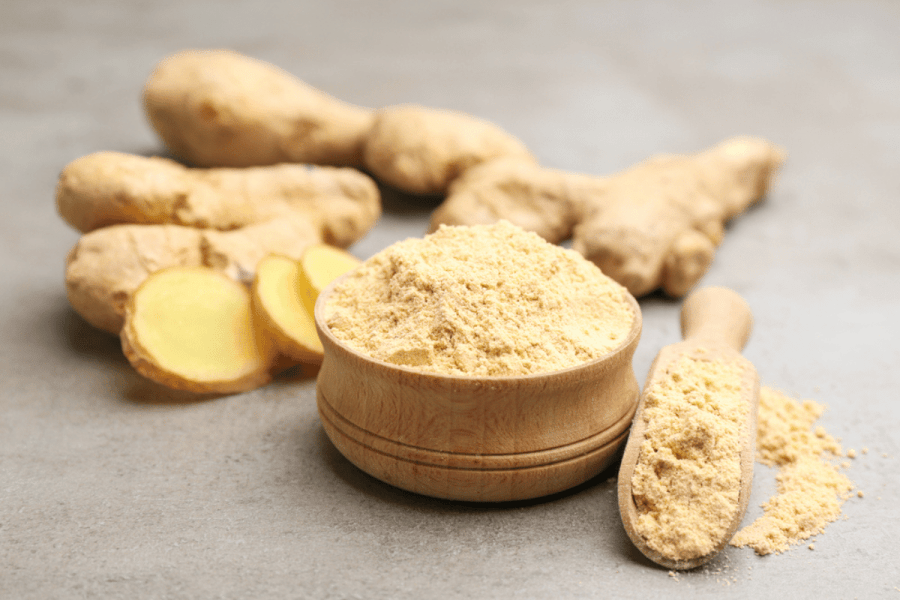
Aromatic and pungent, ginger root is eaten in parts of the world including India for its digestion-resolving properties. Its warming action stimulates tissues and organs, including the digestive system, igniting digestive fire. This increases activity, improving function by stimulating secretions like saliva and enzymes.
This makes ginger valuable for indigestion or heartburn, improving the rate at which the stomach contents descend to the gut. Ginger is a carminative, relaxing the smooth muscle of the gut wall and can be used for griping, colic-type pain and easing trapped wind. Sliced ginger root is lovely as a tea post-meal, but for those who don’t like its rather distinct flavour, its benefits can be gained by taking it in capsule form.
Most well known for its effects on nausea, ginger helps improve both motion sickness and (at lower doses) may be beneficial for morning sickness.
Top Santé recommends: Viridian Organic Ginger 400mg (£9.25, viridian-nutrition.com)
Dandelion
The root of the sunny dandelion flower is commonly prescribed by herbalists for its bitter action. The bitter taste stimulates the whole of the digestive system from saliva, enzymes and stomach acid to bile in the liver.
Stimulating these digestive secretions helps improve digestion all the way through the system. This reduces both indigestion and bloating, constipation and sluggish bowels, earning dandelion its renowned label of digestive tonic. Its laxative effect is mild and gentle. Herbalists think of dandelion when people are feeling a bit “stuck” – it helps get things moving in all senses, not just the gut and constipation.
It also helps to cool and reassure. Dandelion is an excellent partner to burdock, which is also bitter, stimulating digestion and acting as a mild laxative to help keep the bowels moving and constipation at bay.
Top Santé recommends: Viridian Dandelion & Burdock (£17.50, viridian-nutrition.com)
Liquorice
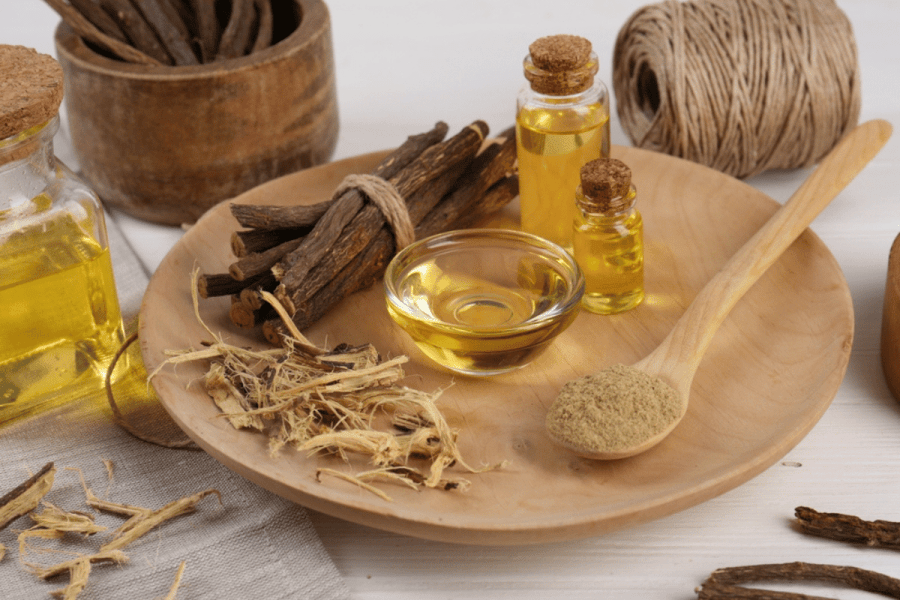
Use of this sweet, woody root dates back millennia. Often added to herbal prescriptions for its sweet, nourishing effects, it is used for strengthening the stomach qi in Traditional Chinese Medicine (TCM). Its glycyrrhizin actives give it intense sweetness and anti-inflammatory effects. Together with glycyrrhetic acid, glycyrrhizin helps modulate the immune response and calm inflammation, making it useful for irritable bowel syndrome (IBS) and inflammatory bowel disease (IBD).
These and other actives, including polysaccharides, hold the key to its effects on the lining of the digestive system. Being demulcent or nourishing, liquorice also promotes mucous secretion, which is protective and restorative to the stomach and intestinal lining, and excellent for those with increased intestinal permeability or “leaky gut”.
This quality, alongside its ability to inhibit bacteria involved in gastrointestinal ulcer formation, means it is often used as part of a natural protocol for ulcers.
Corin Sadler BSc, DipION, FDSc is a medical herbalist and senior nutritionist at ethical vitamin company Viridian Nutrition. She has a degree in clinical herbalism, and a diploma and foundation degree in nutritional therapy.