

Libido is the menopause buzzword – but what does it really mean when you don’t want to have sex? From circulation issues to not getting enough nutrients, learn what you might be mistaking for low libido – and how to reintroduce intimacy into your life
Words: Amy Dowrick | Images: Shutterstock
While most experts frame a loss of desire as a libido issue, a lot of women don’t actually have a problem with it. As it turns out, most issues with our sex life are a lot more to do with our general health than we’re led to believe.
“When we talk about sexual health, we’re really just talking about an aspect of our overall health”, says Dr Michelle Sands, a Licensed Naturopathic Physician and female hormone expert. “A lot of times, when we’re noticing issues with sexual dysfunction, low libido, and loss of interest, that usually is a warning sign of issues somewhere else in the body.”
“I like to look at it like a vital sign,” she adds. “If you’re noticing that you don’t have a sex drive, usually that is a sign of something deeper.”
“It could be physical, it could be emotional, it could be a combination of the two – and it’s definitely fixable.”
What you might be mistaking for low libido
Your loss of interest might have nothing to do with a low libido, and it might really be your body’s response to chronic stress, environmental pressure or a nervous system that’s been stuck in survival mode.
“It could be an issue with the cardiovascular system, it could be a blood vessel issue,” says Dr Sands. “It could be stress releasing hormones like cortisol. There are so many different things that can affect our sexual function.”
Hormonal changes
Changes in estrogen, progesterone, testosterone, circulation sleep, and vaginal health can all affect arousal and sexual comfort – particularly during perimenopause and menopause.
“Our reproductive hormones – estrogen and progesterone specifically – do start to decline,” says Dr Sands. “When that happens, that will reduce blood flow to our vaginal tissues and our vulva, which reduces our lubrication and can cause urinary tract infections.”
“This is causing women pain in sex,” she adds. “Anything that causes you pain, you will not want to do – even if you love your partner. If it’s painful, you’re not going to want to do it.”
Stress
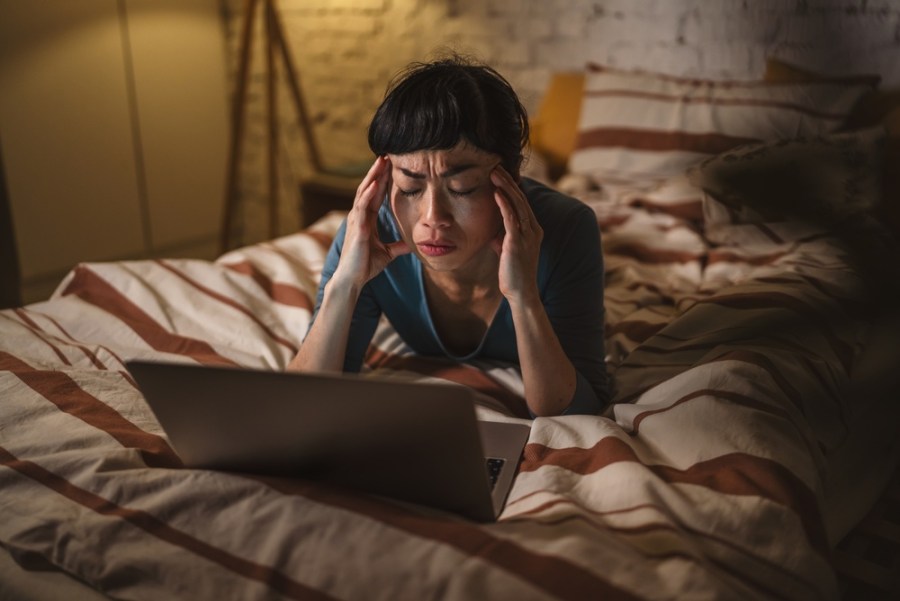
According to Dr Sands, if elevated cortisol – the stress hormone – is a cause for concern, you’ll be noticing a much more dysregulated sleep schedule.
“You might be tired in the morning and wired at night because your cortisol and your melatonin – your sleep hormone and awake hormone – are elevated, but it’s not supposed to be constantly elevated.”
“When you have cortisol dysregulation, where you’re constantly stressed, you can get burned out – and if you’re exhausted, the last thing you want to do is have sex.”
But Dr Sands also says that our steroid hormones – which includes our sex hormones and cortisol – are made of the same raw materials. So, when making a lot of cortisol, you’re not going to be making a lot of your sex hormones.
“When you’re living in a constant state of survival, that’s going to naturally turn down your sex drive and it’s going to make you anxious and tired – and you’re not going to be in the mood.”
How to support your arousal and restore intimacy
Scheduling intimacy
While rekindling your sex life and scheduling in intimacy doesn’t sound too romantic, it doesn’t have to lead towards a full sexual encounter. Sometimes, the buildup alone is enough.
“It doesn’t need to be sex, and it doesn’t need to be intercourse,” says Dr Sands. “If you schedule intimacy, we’re going to hug, we’re going to cuddle, we’re going to caress each other, we’re going to be romantic together.”
“If someone has a libido issue, a pain issue or an issue getting going in the bedroom, scheduling in the intimacy is going to keep the connection there. That’s going to tell each other that you’re still in it for each other.”
Hormones
And once the cogs do get turning, there’s no harm in getting a little extra help in the bedroom to optimize your arousal.
“You might need a vaginal estrogen, or you might need Viagra or some testosterone for the men or for the women,” says Dr Sands. “Don’t be ashamed if you need a little extra help because it’s sometimes very much needed.”
“We’re not treating dysfunction, we’re optimizing our sex life, our health and our overall wellness.”
Stress regulation
If stress is becoming a concern for your sex drive, Dr Sands suggests adding adaptogenic herbs into your supplement plan, such as ashwagandha and rhodiola, to help modulate your cortisol if it’s too high or low.
And if you’re wanting to control your levels and learn about what might be affecting them, she also suggests testing your cortisol throughout the day.
“You can do a saliva test to test your cortisol levels throughout the day to see what your pattern is,” she says. “If it’s really high for a long time, it could then be really low because you’re burned out – and both are bad.”
You’re also going to have to make some lifestyle changes – and Dr Sands urges you to learn how to switch off.
“You’re going to want to really prioritize sleep and nutrition, and you really want to take some self-care,” she says. “You might want to switch to yoga, walking, and doing things that are more nurturing to your body, at least for a period of time.”

But Dr Sands mostly stresses that you are not to blame, and even if that environment for arousal is right, sex is no walk in the park.
“A lot of times we blame the female – but it’s not that they’re broken and it’s not even the female’s fault,” she says.
“We don’t learn how to have sex – nobody teaches us how to initiate sex, or how long foreplay should be,” she adds. “It takes women 10 to 20 to 30 minutes to start to lubricate and to get the juices flowing – and sometimes men aren’t taught that. You’ve got to get her there to want to do it.”
“We want to live a happy, full, fulfilled and joyful life, and having a healthy sex life is definitely a huge part of that – it’s part of our overall wellness.”
Dr. Michelle Sands is a licensed Naturopathic Physician (ND) who has built an extensive career focused on women’s hormone health, particularly addressing the challenges of perimenopause and menopause. Her professional journey combines traditional naturopathic practices with modern functional medicine approaches, supported by her personal health journey that shaped her understanding of hormonal health challenges. For more information on her services visit glownaturalwellness.com.