
Thinking of joining a gym? How about one specifically for your vagina?! That’s just one of the new technological wonders available to improve pelvic floor health, along with a swathe of new treatments, home devices and tests all designed to help us feel healthier inside and out
Words: Katy Sunnassee | Images: Shutterstock
Women’s health is no longer “one size fits all”. Investors, start-ups and clinics are building personalised products and circular systems combining symptom-tracking apps, at-home hormone tests, online consultations and more. And this is only set to grow. This shift is being driven by rising demand and capital flow into femtech and midlife care.
Home lab kits and wearable trackers are migrating beyond general health metrics into female-specific markers for sex hormones – which can be tracked across the entire cycle – menopause transition biomarkers, and screenings for bone and cardiovascular risk that matter after 40. It’s all about looking at the bigger picture over a longer period, rather than getting a one-off snapshot from a single blood test, for example. Continual or repeated tests now allow doctors to tailor interventions, such as HRT or targeted supplements, to your real-time hormonal trajectories, thereby improving symptom control as well as reducing trial and error.
‘Menopause support for clients has become far more personalised in recent years. Women can now do advanced hormone testing such as the DUTCH (Dried Urine Test for Comprehensive Hormones) test from home, alongside DNA and gut testing, and the whole process can be guided remotely,’ says functional hormone nutritionist Pippa Campbell (pippacampbellhealth.com).
‘It means we can look at someone’s cortisol rhythm, oestrogen metabolism and adrenal patterns in a way that simply wasn’t accessible before. My team works with hundreds of these tests each year, so we see very clear patterns emerging in midlife women that often get missed in standard care.’
Pippa also taught the DUTCH Perimenopause Practitioner Course that’s now available internationally, meaning the education is filtering through to practitioners worldwide. ‘The result is that women are getting much more targeted support because we’re no longer guessing. We can show them exactly what their hormones are doing, why their symptoms are happening, and what steps will genuinely help at this stage of life,’ says Pippa.
‘I think there will be more of a drive towards testing testosterone levels in women, and also not looking just to HRT to fix problems but turning to other factors that could help, whether it’s looking at gut health, supplementation to support the body through menopause, managing blood sugar and the impact of stress on hormones,’ says Dr Sohère Roked (drsohereroked.co.uk).
The intimate health revolution
We’re also seeing a major pivot away from crude diagnostics (microscopy, one-off swabs) to vaginal microbiome profiling and more bespoke interventions. Next-generation tests can predict your risk for conditions such as bacterial vaginosis, recurrent UTIs, and even elements of fertility. Probiotics are now becoming more targeted, and are designed for vaginal health and reducing risk of UTI – plus, there’s a growing range of delivery formats: oral plus vaginal suppositories, dissolvable lozenges and more.
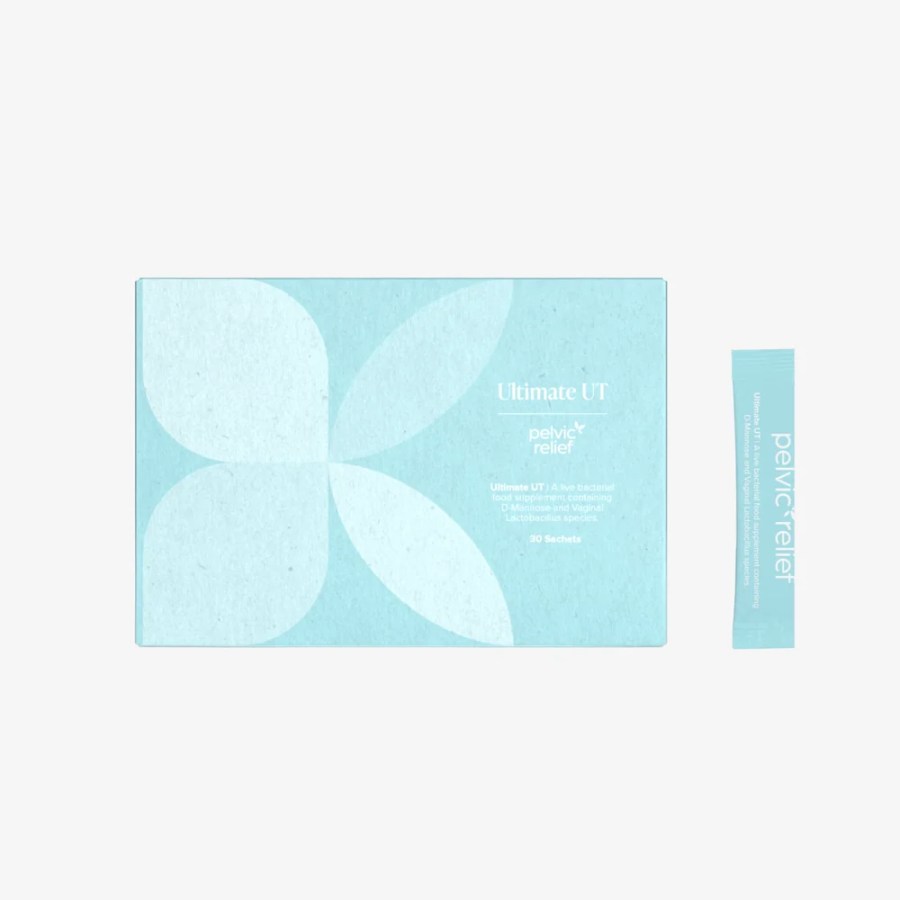
VJJ Ultimate UT
Top Sante verdict
Designed with clinically proven ingredients to support urinary tract health and relieve UTI symptoms. Combining D-Mannose and specific Lactobacillus strains, it offers a powerful, natural solution- Prevents infections and maintains comfort
- Help relieve symptoms of urinary tract infections and cystitis
- Combines D-Mannose with four clinically researched Lactobacillus strains
The vaginal microbiome is tightly linked to symptoms that affect daily life – odour, discharge, recurrent infections – and to larger health outcomes, so it’s hugely important for women’s overall wellbeing. Moving away from “one size fits all” probiotics to strain-specific treatments could reduce antibiotic overuse and improve long-term outcomes.
And from a microscopic level to more of a macro level, our physical anatomy can now be improved and strengthened thanks to a growth in clinical treatments for vaginal laxity and prolapse, incontinence, endometriosis and more.
One device new to the UK is Endosure, rated highly by Dr Sarah Jenkins, who’s one of the doctors at the forefront of intimate health in the UK. ‘Endosure will be big in 2026. The machine scans the abdomen and can give a diagnosis for endometriosis very quickly, easily and safely, so women don’t have to suffer years of pain and then surgery to confirm whether or not they have the condition,’ says Dr Jenkins, a women’s health and menopause specialist who offers various treatments at the Umi Clinic in Petersfield, Hampshire (umiclinics.com).
Vaginal rejuvenation
‘Another device, which has been used in Italy for years and is now coming over to the UK, is the Caress Flow, which creates highly concentrated oxygen, and administers it into the vagina via a small device no larger than a tampon. It helps rejuvenate the vaginal tissue,’ explains Dr Jenkins, who uses the machine at her Petersfield clinic. ‘I’m using it to help women after cancer treatment, as allopathic cancer treatments can often accelerate vaginal atrophy. I see women in their early 30s with atrophy issues that would normally be seen in someone in their 50s and 60s,’ says Dr Jenkins, who uses this non-hormonal treatment to help reverse damage. ‘We combine the high-strength oxygen with a moisturising hyaluronic acid spray to treat dryness, slow down atrophy and improve cellular turnover, improving blood flow.’ And it’s also great for incontinence, whether caused from childbirth or from menopausal genitourinary symptoms. ‘Studies in Italy are also currently being done to link its efficacy to fertility treatment, as the data shows it helps improve the microbiome of the vagina and uterus. This is new and very promising,’ says Dr Jenkins.
There’s also the VTone treatment using InMode’s Empower RF machine (inmodemd.co.uk) – a radio frequency device from which all women can benefit. ‘I call this the “vagina gym”! I mean, we go to the gym to exercise our other muscles, so why not the vagina too? VTone helps reduce urinary leakage due to urge incontinence or an overactive bladder. We also use it to rehab patients to help them learn to engage their muscles properly, as a lot of women don’t know what to squeeze when doing these exercises,’ explains Dr Jenkins.
And while you’ll no doubt have heard about Morpheus8, known for tightening skin on the face, few people know it can be done internally, too. ‘It can be used for vaginal tightening as well as for reducing symptoms of sexual dysfunction as it helps promote blood flow and create new nerve endings. Where you may have lost sensation or have scar tissue from having had an episiotomy or a tear after childbirth, Morpheus8 can work well,’ says Dr Jenkins. If you can’t afford an in-clinic treatment, I highly recommend the Kegel8 (kegel8.com) as long as it’s got the biofeedback with it, as then you can use it with an app on your phone so it tells you how strong your pelvic floor contractions are. It works like a game in that it tells you how long you have to squeeze for, how often and how to relax fully, as you can overdo the pelvic floor and get something called hypertonia, where the muscle is too tight at the entrance to the vagina. So, biofeedback is important to know you’re doing things correctly.’
Getting to know “down there”
Becoming familiar with our “lady landscapes” is also becoming more popular, with the likes of The Fabulous Pharmacist, Laura Dowling (lauradowlingofficial.com), breaking the silence and taboos around topics previously off limits, at least in public.
‘One of the biggest women’s health trends for 2026 will be having open conversations. Vaginal, pelvic-floor and intimate health are no longer topics to whisper about. Women are speaking honestly about issues that affect so many of us, and that shift alone is transformative,’ says Laura.
Up to 80 per cent of women will experience genitourinary syndrome of the menopause (GSM), which can include vaginal dryness, painful intercourse, recurrent UTIs, a feeling of vaginal heaviness, changes to the clitoris and more. ‘Around 50 per cent of women also experience urinary incontinence after menopause. These issues are incredibly common, completely normal and absolutely treatable, yet stigma still prevents many women from seeking help,’ says Laura.
‘So, the real trend is removing the shame. When women understand they’re not alone, they feel empowered to ask for support. Pelvic-floor physiotherapy, exercises and vaginal oestrogen are often highly effective starting points, alongside a proper examination by a doctor.’
Her latest TED Talk is the intimate health wake-up call every woman needs. With her trademark clarity, candour and zero-shame approach, she cracks open the conversations we’ve all been avoiding and replaces embarrassment with empowerment (find it on Youtube – search for Intimate Health Begins when Shame Ends, by Laura Dowling.
And when it comes to devices, Laura doesn’t rate expensive, flashy gadgets. ‘The tools that genuinely make a difference are simple, accessible and evidence-based: vaginal oestrogen, silicone pessary rings for prolapse, pessaries with a small knob for prolapse and urinary incontinence, vaginal dilators for atrophy, post-cancer care or conditions such as lichen sclerosus, and a good vaginal lubricant for comfortable sexual intercourse. These straightforward supports can restore comfort, confidence and quality of life,’ she adds.
‘Ultimately, the most important trend is that women are talking; having open, honest chats with each other, and health care professionals, without embarrassment. And that openness is what will help more women get the care they deserve,’ says Laura.
A final note
As fantastic as all these new devices, AI-driven apps and treatments are, there are still things to consider. For a start, with so much harvesting of personal information there needs to be stringent security measures in place, while there are ethical considerations when it comes to some advancements in AI and female health, especially around reproductive health.
One such doctor advising caution around over-digitalisation and medicalisation when it comes to fertility is Dr Larisa Corda, author of The Conception Plan (theconceptionplan.com) and who grew to prominence for her slot on This Morning.
‘As our world begins to manage the introduction of AI and its implications across so many aspects of our lives, one of the fastest growing areas for these technologies is the field of reproductive medicine,’ explains Dr Corda.
‘As I undertake my training in anthroposophic medicine, where all life processes are viewed through a spiritual and scientific lens, I’ve become even more aware of just how important this perspective is, especially around conception, where the threat of unregulated technologies is more significant than arguably anywhere else,’ warns Dr Corda.
‘To truly become empowered over managing health and fertility, it’s necessary to understand and respect both our physical and spiritual sides, otherwise we’ll be led to outsource our health and fertility indiscriminately to technologies that may not honour the very humanity that shapes us, and which may, instead, seek to take over how we view life itself,’ she explains.
‘Whilst certain technologies can undoubtedly help us, our bodies contain the most powerful innate technologies capable of cultivating health and fertility, when guided to do so.’
The advances in women’s health are undoubtedly much overdue, especially when compared to how much has been invested in the past into men’s health, and what’s available now is mind-blowing compared to even 10 years ago. As long as new tech is embraced for its human benefits, and we maintain autonomy over our bodies and health decisions, then the future of women’s health is indeed looking bright.

The mental wellbeing movement
Mental health for women is moving from episodic care to continuous mental fitness: apps and digital programmes now offer CBT, acceptance and commitment therapy, and resilience training for all women’s life-stage stressors, from perinatal mental health to perimenopausal anxiety, caregiving and burnout. Companies are also building digital therapeutics specifically for menopause-related mood and sleep disruption. Workplace wellbeing programmes are now starting to include more menopause support too, while mental health as a whole is de-stigmatised.
Nicola Bonn, mental health advocate (outspokenbeauty.co.uk) says in 2026 we can shine even more of a spotlight on how perimenopause can affect women’s mental health. ‘Women should be equipped with knowledge and techniques to understand what they are experiencing so as not to let it overwhelm them. Medical professionals will, I hope, be better equipped to guide women through this and provide the correct advice and treatment options,’ she says.
‘There will be an increasing focus on the mental health benefits of going screen free and doing mindful and physical activities. Loneliness is rife, yet we are more connected than ever online. I expect the continued rise of community get togethers such as book clubs and knitting groups,’ says Nicola, who recommends the apps Dare for disordered anxiety, Calm for breathing exercises and mindfulness, and Moodie for logging and understanding moods related to your menstrual cycle.
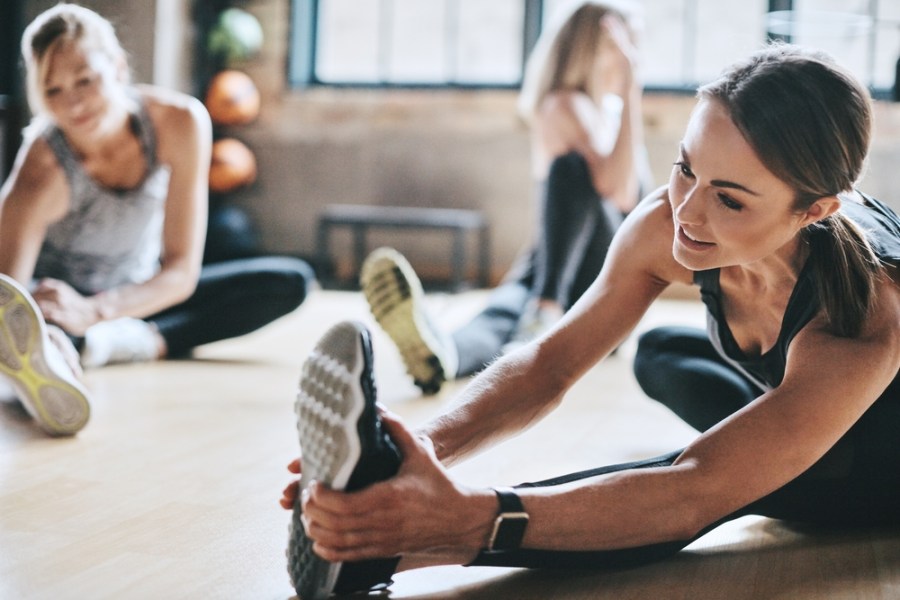
3 simple pelvic floor exercises to help strengthen your abdomen
Practical takeaways
- Prioritise evidence over buzz: Look for products with clinical studies or validated biomarkers (strain-specific probiotics, validated at-home hormone tests etc).
- Ask for data access: If you use a metabolic/menopause programme or an app, request your raw results and summaries – those numbers are useful across different providers.
- Combine digital tools with a clinician: Apps and at-home tests are powerful when paired with a clinician who can interpret trends, especially for HRT or complex symptoms.
- Check privacy and data sharing: Femtech solutions collect sensitive reproductive health data – review the privacy policies and storage practices of brands you pair with.
- Check your employer benefits: If your workplace offers wellbeing benefits, ask whether menopause or pelvic health is or can be reimbursed, as more workplaces are now offering that.